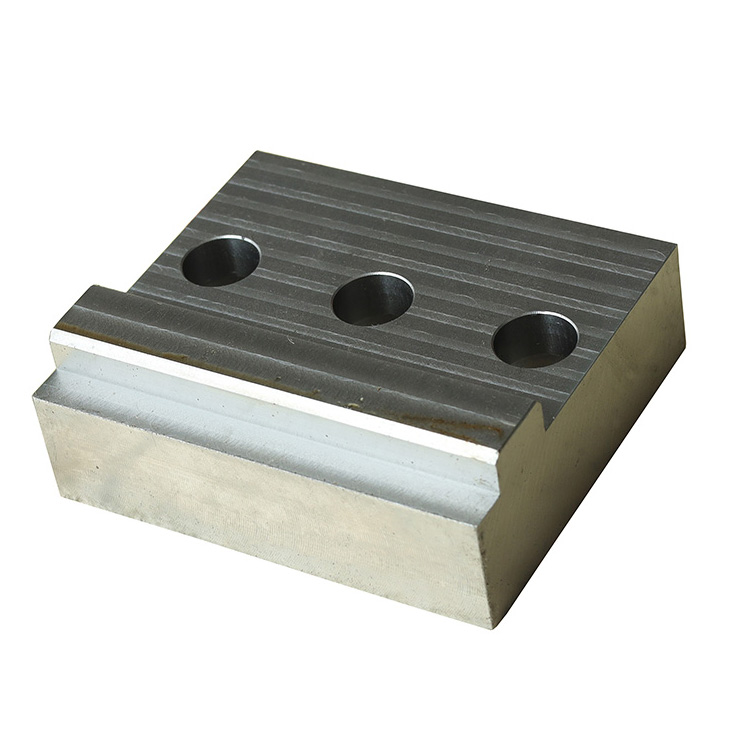
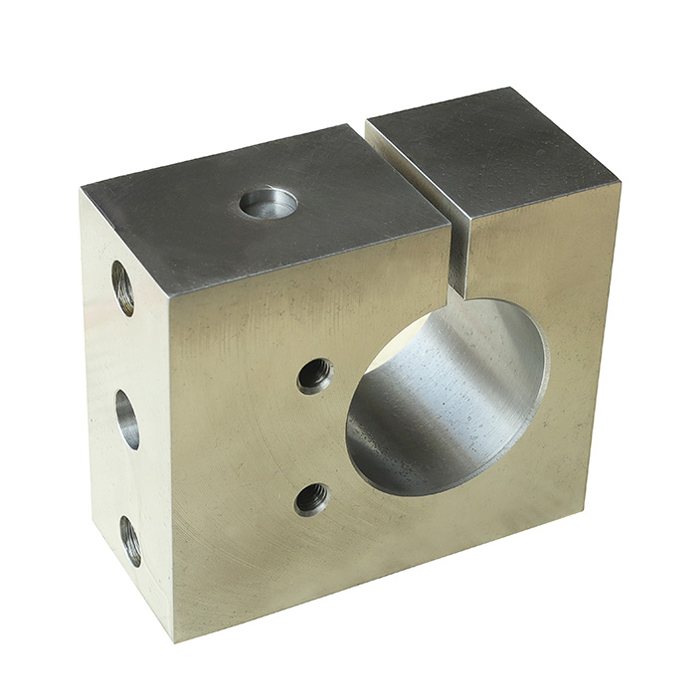
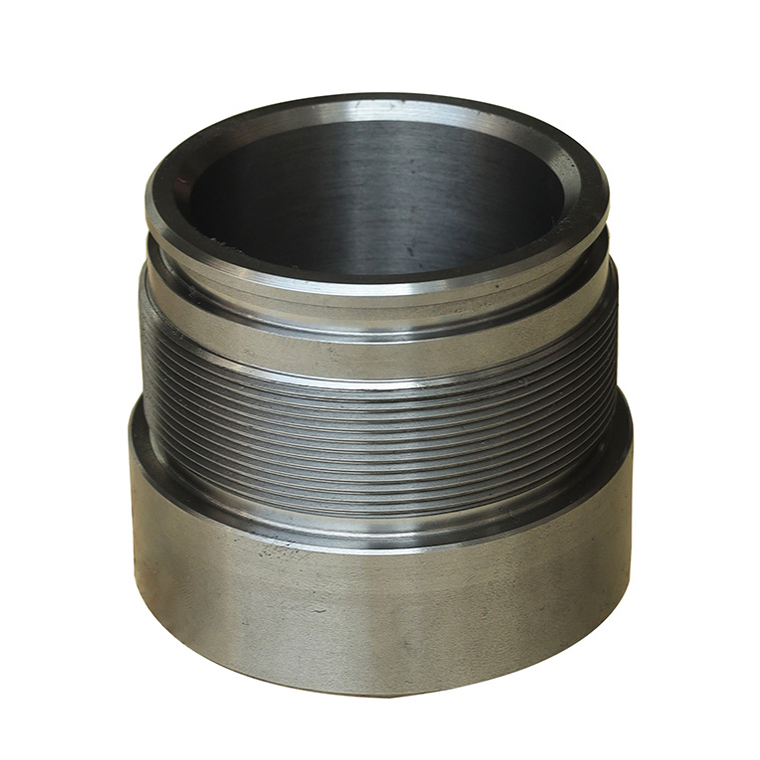
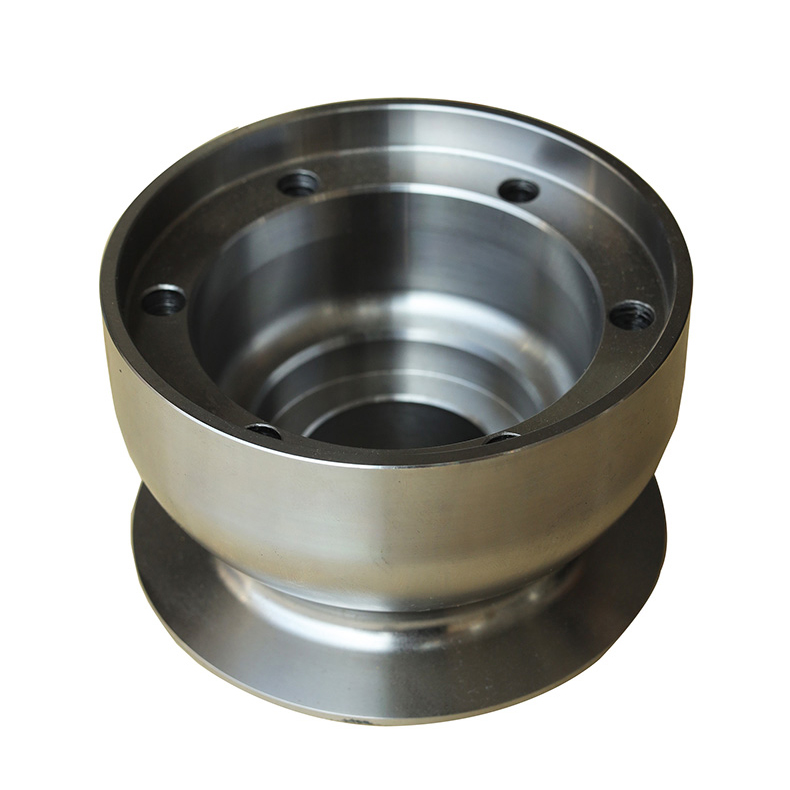
What is Carbon Steel Machining?
Carbon steel machining refers to the process of shaping and finishing carbon steel alloys using computer numerical control (CNC) machines and other advanced manufacturing techniques. Carbon steel itself is an alloy primarily composed of iron and carbon, with carbon content ranging from 0.04% to 2.5%. The carbon content significantly influences the steel’s hardness, strength, and machinability.
Carbon steel is broadly classified into three categories based on carbon content:
Low-carbon steel (mild steel): Less than 0.3% carbon; easy to machine and weld.
Medium-carbon steel: 0.3% to 0.6% carbon; balances strength and machinability.
High-carbon steel: 0.6% to 2.5% carbon; very strong and wear-resistant but harder to machine.
Benefits of Carbon Steel Machining
Carbon steel machining offers several advantages that make it a preferred choice for manufacturers:
High Mechanical Strength: Carbon steel parts provide robust structural integrity, ideal for heavy-duty applications.
Cost-Effective Material: Compared to exotic metals and stainless steel, carbon steel is more affordable without compromising performance.
Excellent Weldability and Machinability: Especially in low to medium carbon grades, carbon steel machines smoothly, reducing tool wear and machining time.
Versatility: Suitable for heat treatment applications to enhance hardness and tensile strength.
Wide Range of Grades: From 1018 to 4340, carbon steel grades cater to diverse mechanical and wear requirements.
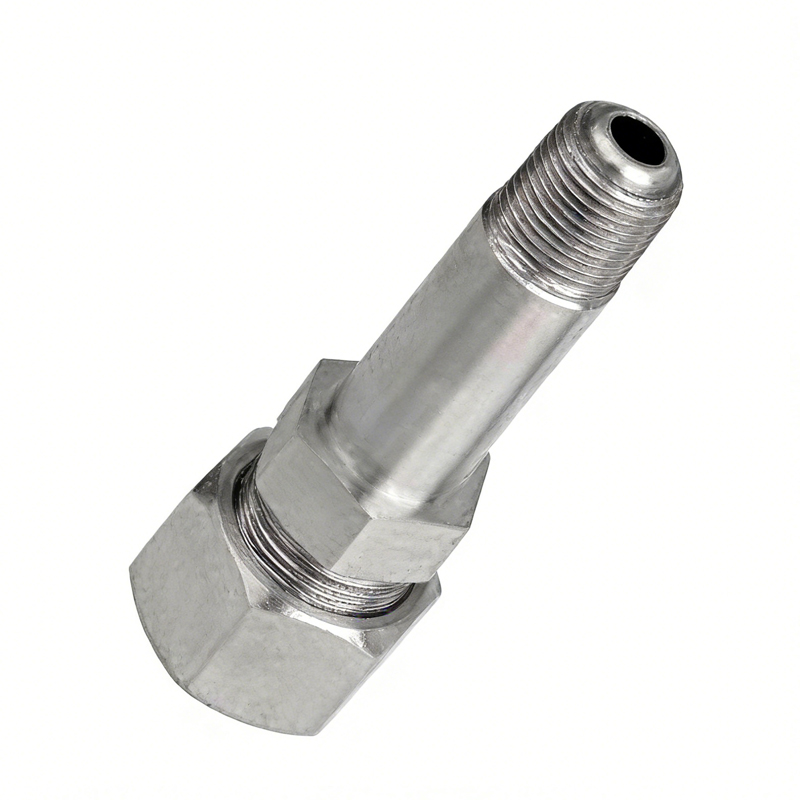
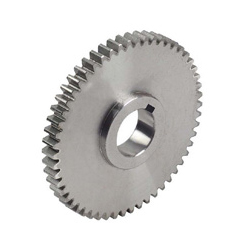
According to Pegasus Manufacturing Inc., carbon steel is ideal for structural parts, shafts, gears, and components requiring robust performance at scale, making it a staple across construction, oil & gas, energy, and industrial sectors.