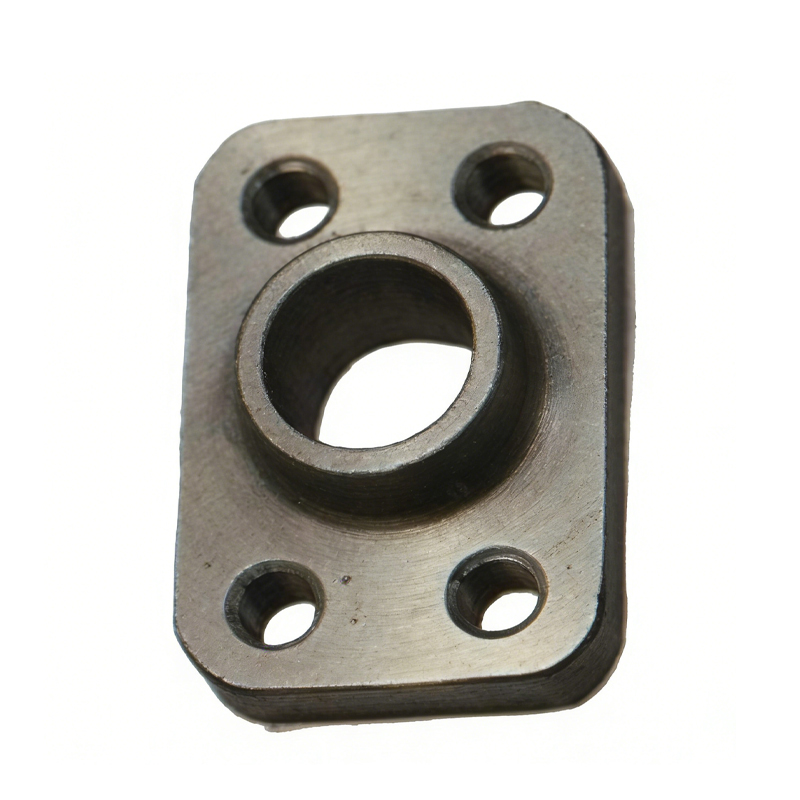
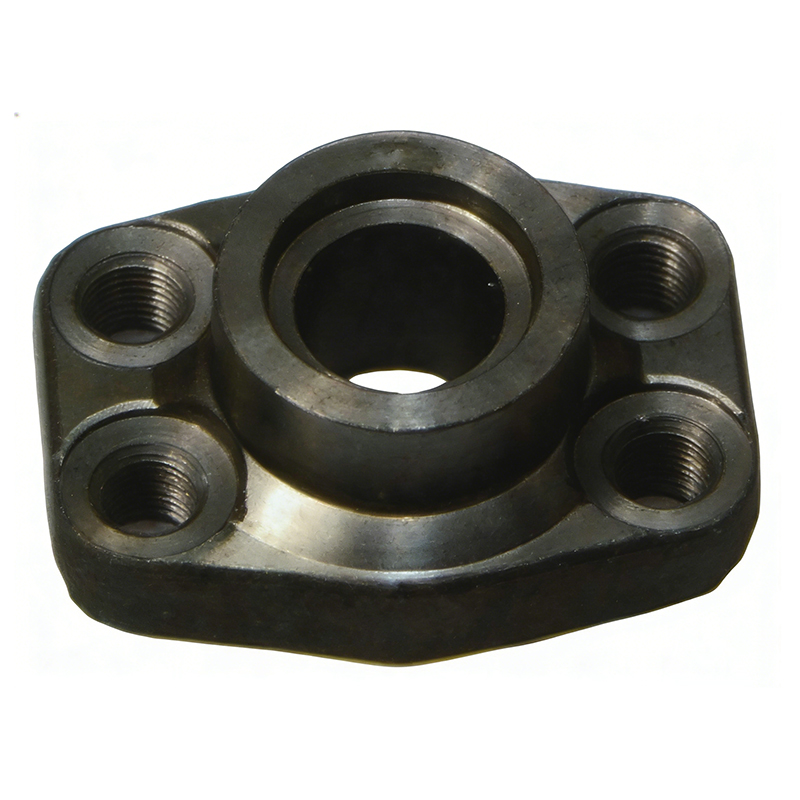
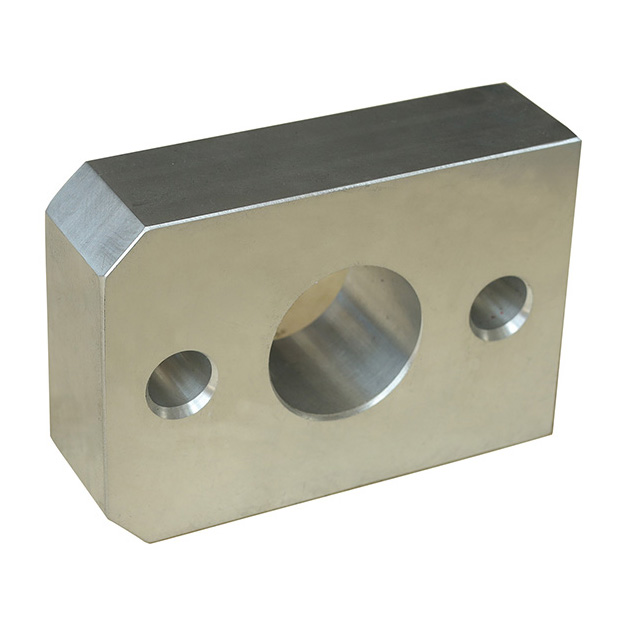
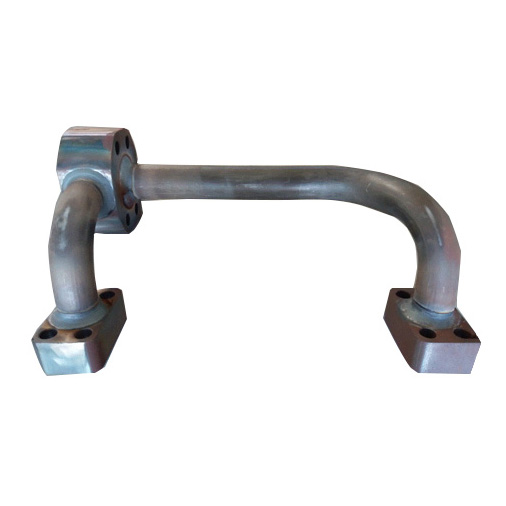
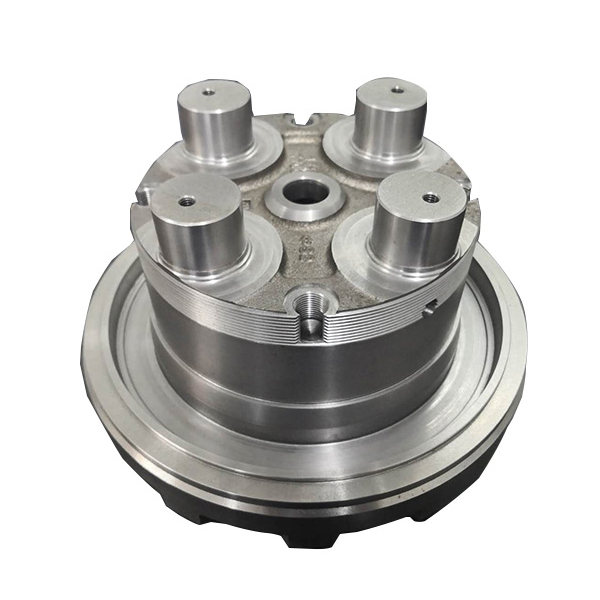
Flange machining is a precision manufacturing process that shapes and finishes metal flanges to meet exact specifications. It involves operations such as facing, boring, drilling, and threading, typically performed on CNC lathes and milling machines. These processes create flat, smooth sealing surfaces and accurately positioned bolt holes, essential for reliable flange connections in pipelines, pressure vessels, and mechanical assemblies.
Types of Flanges and Their Applications
Understanding flange types is crucial for selecting the right machining approach. The most common flange types include:
Weld Neck Flanges: Featuring a long tapered hub, ideal for high-pressure and high-temperature environments due to excellent stress distribution.
Slip-On Flanges: Cost-effective and easy to install, these slide over pipes and are welded internally and externally.
Blind Flanges: Solid discs used to seal pipe ends or inspection points.
Threaded Flanges: Allow assembly without welding, suitable for low-pressure applications.
Loose (Lap Joint) Flanges: Used with stub ends for easy bolt alignment.
Each flange type serves specific industrial sectors such as oil and gas, chemical processing, water treatment, and automotive manufacturing.