What is a High Pressure Fuel Line?
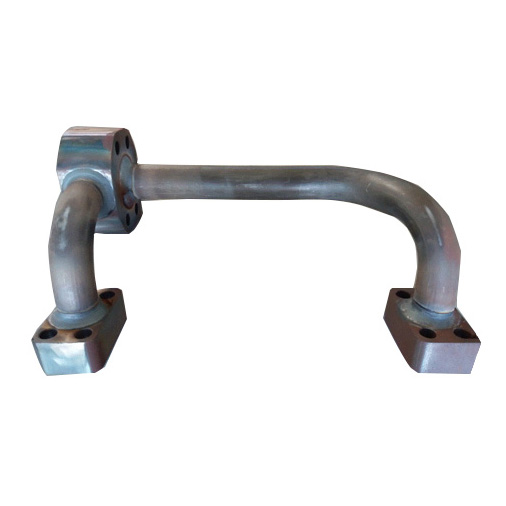
A high pressure fuel line is a specialized pipe or hose designed to transport fuel at elevated pressures from the fuel pump to the engine’s combustion chamber. Unlike regular fuel lines, these lines must resist high pressures, temperature fluctuations, and corrosion to maintain safety and performance.
Key Features:
High tensile strength to withstand pressures often exceeding 3,000 psi.
Corrosion resistance to prevent degradation from fuel and environmental exposure.
Temperature tolerance, often operating in ranges from sub-zero to over 400°F.
Leak prevention through advanced sealing technologies.
These attributes make high pressure fuel lines indispensable in modern fuel injection systems, especially in diesel and gasoline engines where fuel is injected directly into the combustion chamber under high pressure.
Types of High Pressure Fuel Lines
Understanding the types of high pressure fuel lines helps in selecting the right component for specific engine requirements.
1. Metallic Fuel Lines
Typically made from stainless steel or other alloys.
Known for high durability and excellent pressure resistance.
Commonly used in heavy-duty diesel engines and performance vehicles.
2. Rubber Fuel Hoses
Offer flexibility and ease of installation.
Usually reinforced with braided layers to handle pressure.
Suitable for applications requiring vibration absorption or complex routing.
3. Composite Fuel Lines
Combine metals and polymers for lightweight yet strong construction.
Increasingly popular due to their balance of strength, flexibility, and corrosion resistance.
Used in advanced engine designs aiming for weight reduction and improved fuel efficiency.