What is a Heat Sealer?
A heat sealer is a machine designed to join two pieces of thermoplastic material by applying heat and pressure. This process melts the interface of the materials, fusing them together to create a strong, airtight seal.
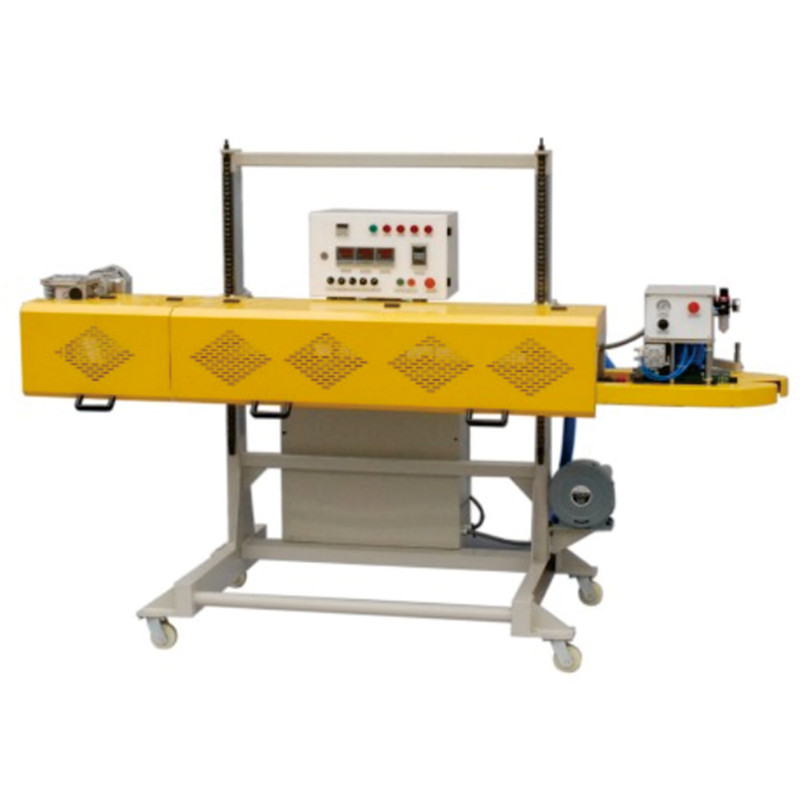
Heat sealers come in various forms, including impulse sealers, continuous sealers, handheld models, and industrial machines. They are widely used to seal plastic bags, pouches, tubing, and other packaging materials to protect contents from moisture, dust, and contamination.
How Does a Heat Sealer Work?
The core function of a heat sealer revolves around controlled heat and pressure:
Positioning: The operator places the open ends of two plastic materials or a bag into the sealing area.
Activation: The sealing bar or wire heats up either continuously or impulsively, depending on the sealer type.
Sealing: The heat melts a thin layer of the thermoplastic material on both sides.
Bonding: Pressure ensures the molten layers fuse together seamlessly.
Cooling: The seal cools and hardens, creating a durable bond that holds the materials together permanently.
Impulse sealers heat only when activated, making them energy-efficient and safer, while continuous sealers maintain a constant temperature for faster sealing cycles.