What is a Check Weighing Scale?
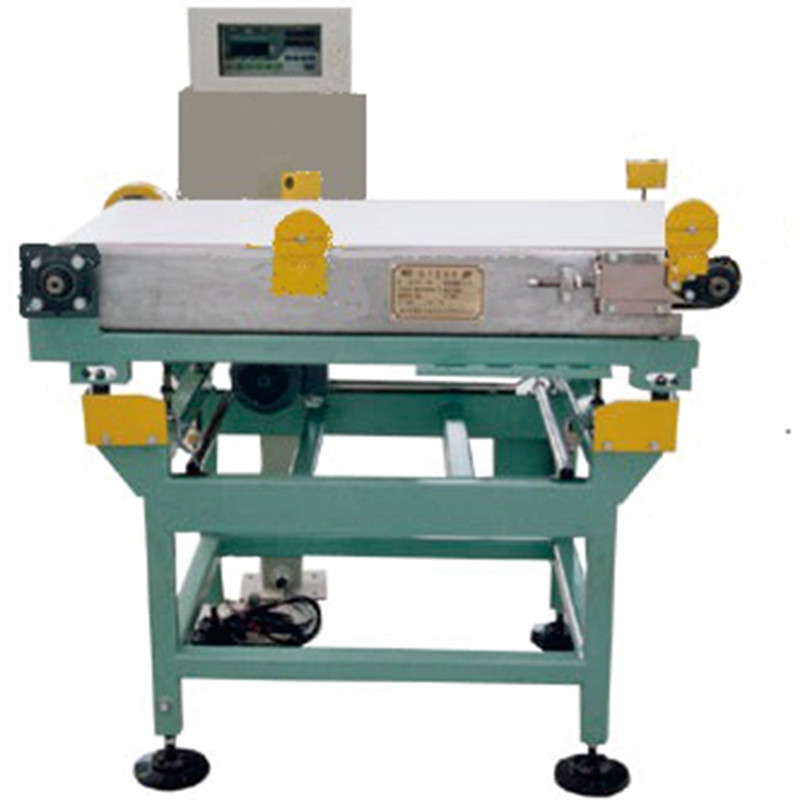
A check weighing scale is a specialized weighing device used to quickly determine whether a product’s weight falls within set upper and lower limits. Unlike standard scales that only provide a weight measurement, checkweighers often feature visual and audio indicators that signal if a product is underweight, overweight, or within the acceptable range. This immediate feedback accelerates decision-making on production lines and packing stations.
These scales are engineered for accuracy, with some models offering measurement precision up to 0.01 mg, making them suitable for a wide range of industries—from kitchen ingredient control to industrial production monitoring.
Key Features of Modern Check Weighing Scales
Check weighing scales come with a variety of features tailored to different operational needs. Here are some of the most common and valuable functionalities:
Limit Weighing and Comparator Functions: Visual (traffic light systems) and audio signals alert operators when products are outside specified weight ranges, improving speed and reducing human error.
Piece Counting Function: Useful in inventory and packaging, this feature counts the number of items based on weight, such as screws or batteries.
Multiple Tare Settings: Allows the scale to subtract the weight of containers or packaging materials to ensure only the net product weight is measured.
Bidirectional USB Interface: Enables seamless integration with PCs and software for data recording, analysis, and quality control automation.
Calibration and Verification Certificates: ISO calibration and OIML trade approval ensure compliance with industry standards and legal requirements.
Robust Construction: Stainless steel platforms, powder-coated surfaces, and IP-rated designs make scales suitable for harsh industrial environments.
Portability: Battery operation and compact designs allow for mobile use in warehouses, labs, or on production floors.