What is a Palletizer?
A palletizer (or palletiser) is a mechanical device that automates the stacking of goods such as cartons, trays, bottles, or bags onto pallets. Traditionally, this task required manual labor, which is time-consuming, physically demanding, and prone to inconsistencies. Palletizers streamline this process by arranging products in predefined patterns on pallets, ensuring stability and optimizing space for storage and transportation.
Palletizers are typically part of end-of-line (EOL) automation, a sequence of operations including case erecting, packing, sealing, labeling, and finally palletizing. Automating palletizing not only speeds up production but also reduces workplace injuries and labor costs.
Types of Palletizers
The palletizer market offers various models tailored to different production needs and budgets. Understanding these types helps businesses select the right system for their operations:
1. Manual Palletizers
Serve as ergonomic aids, lifting pallets to an adjustable height.
Operators manually stack products.
Reduce physical strain but still require significant labor input.
2. Semi-Automatic Palletizers
Combine automation with operator involvement.
Operators feed products onto a platform; the palletizer arranges them on the pallet.
Cost-effective for small to medium production volumes.
3. Fully Automatic Palletizers
Handle the entire palletizing process without human intervention.
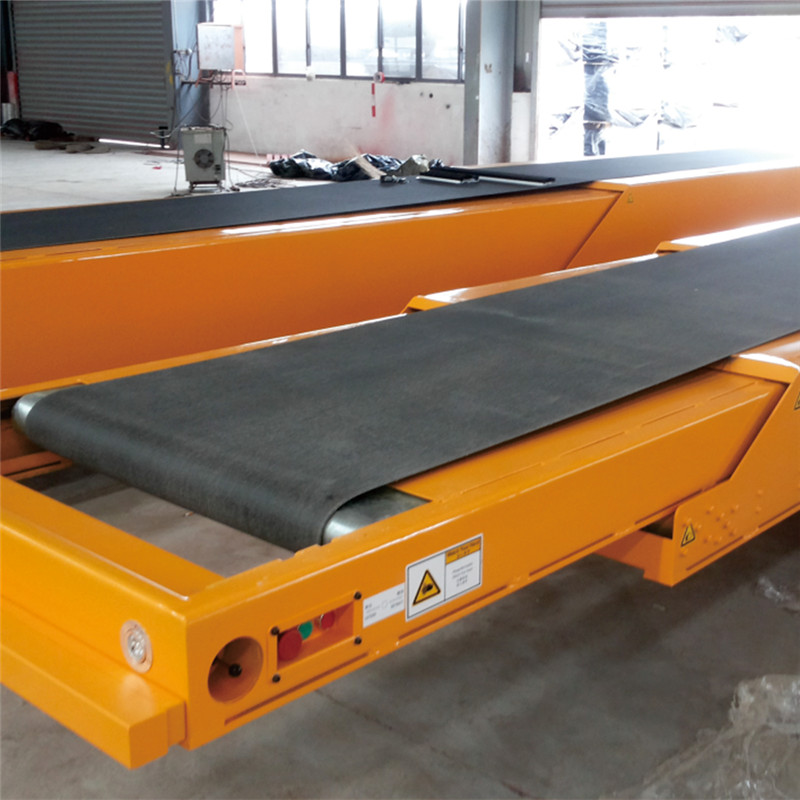
Use conveyors, pushers, and robotic arms.
Ideal for high-volume, continuous operations.
4. High-Level Palletizers
Stack products from an elevated position.
Pallet lowers as layers are completed.
Suitable for large-scale, fast-paced environments.
5. Low-Level Palletizers
Operate near floor level, lifting product layers onto pallets.
Often use conveyors and pushers to align products.
Provide flexibility in handling different product types.
6. In-Line Palletizers
Utilize continuous motion to orient products into rows.
Layers are formed before being placed on pallets.
Offer high throughput speeds.
7. Robotic Palletizers
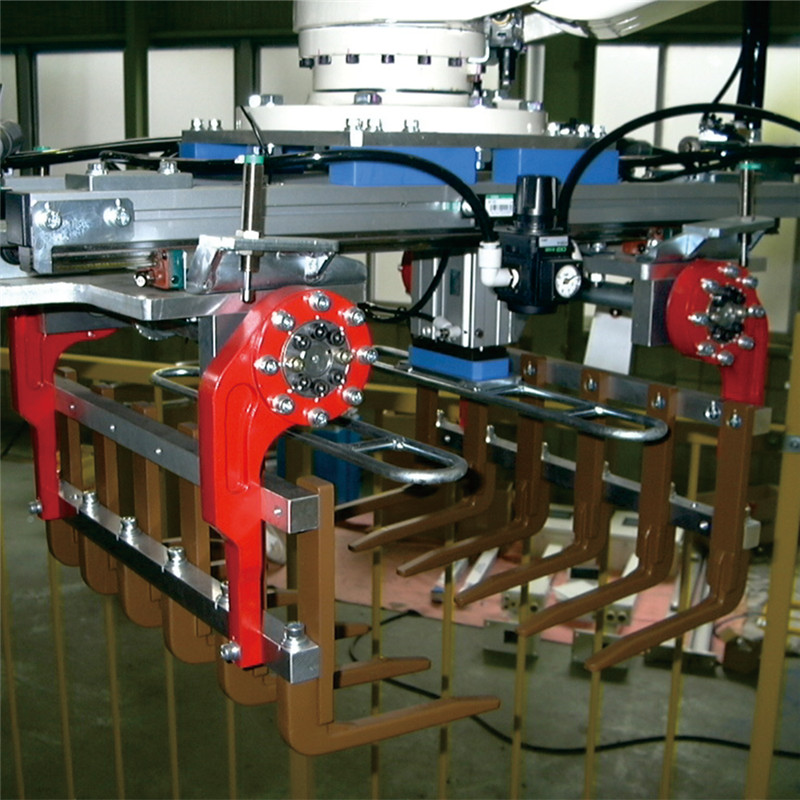
Employ robotic arms with specialized end-of-arm tooling (EOAT).
Highly flexible and programmable.
Can handle mixed product sizes and complex stacking patterns.
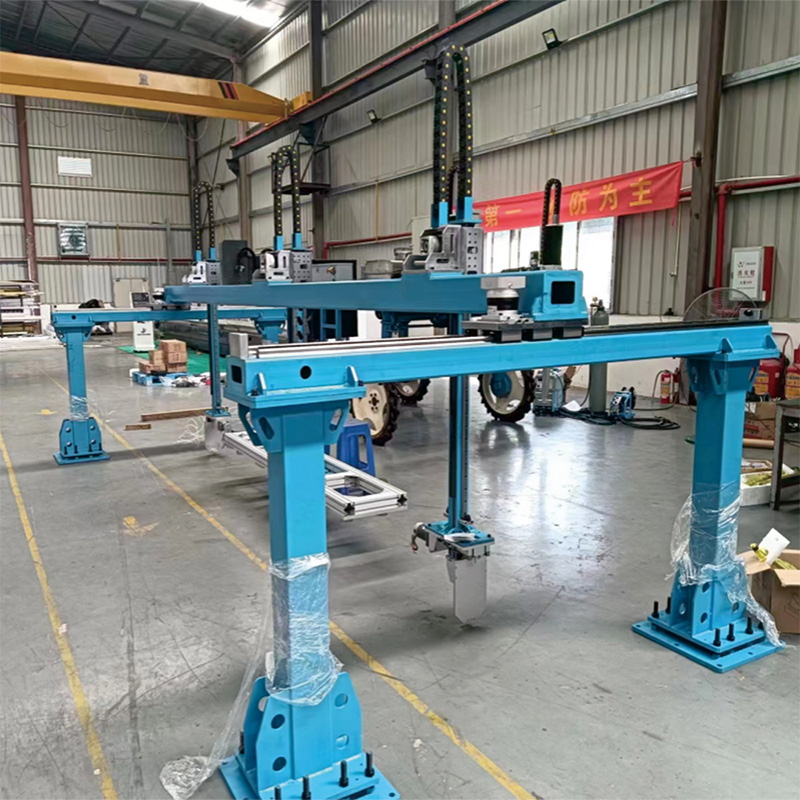
Types include Cartesian, Gantry, SCARA, industrial articulated robots, and collaborative robots (cobots).