What is an Automated Assembly Line?
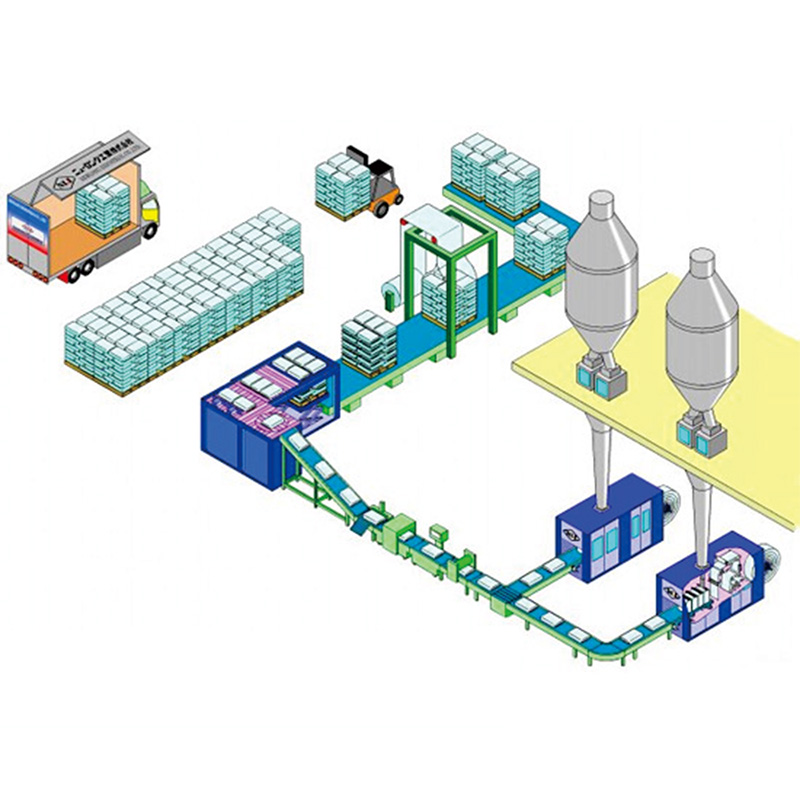
An automated assembly line is a manufacturing system that integrates machines, robotics, and computer-controlled processes to assemble products with minimal human intervention. Unlike traditional manual or semi-automated lines, these systems use advanced technologies such as programmable logic controllers (PLCs), human-machine interfaces (HMIs), sensors, and robotics to perform repetitive tasks—welding, painting, fastening—with high accuracy and consistency.
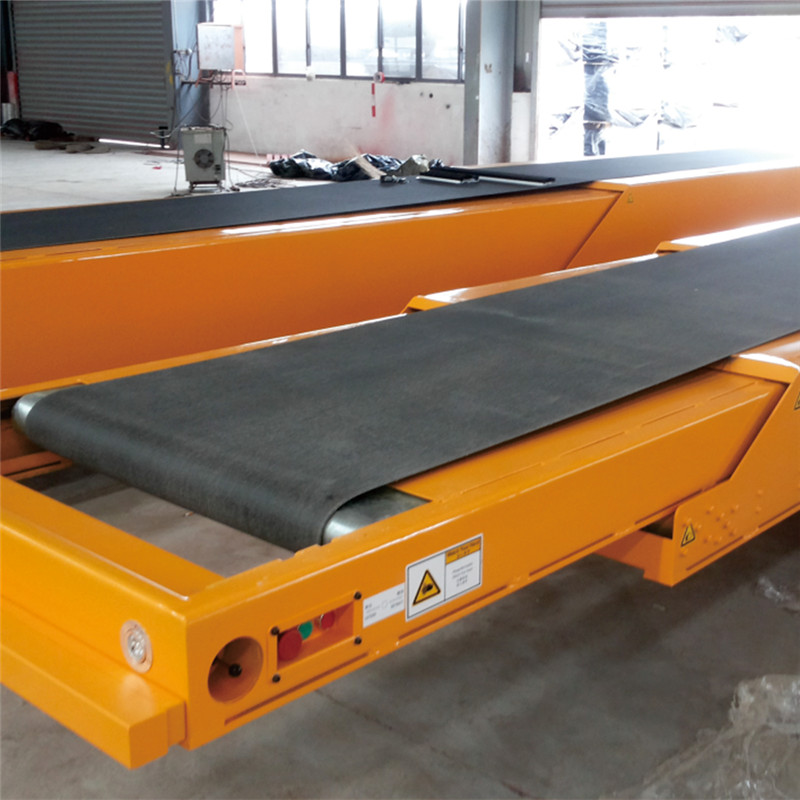
Typically, an automated assembly line consists of a series of interconnected workstations linked by conveyor belts or automated guided vehicles (AGVs). Each station is programmed to execute a specific task, while a central control system oversees the entire production flow, ensuring quality and efficiency.
Core Components of an Automated Assembly Line
A high-performing automated assembly line relies on a synergy of hardware and software components:
Material Handling Systems
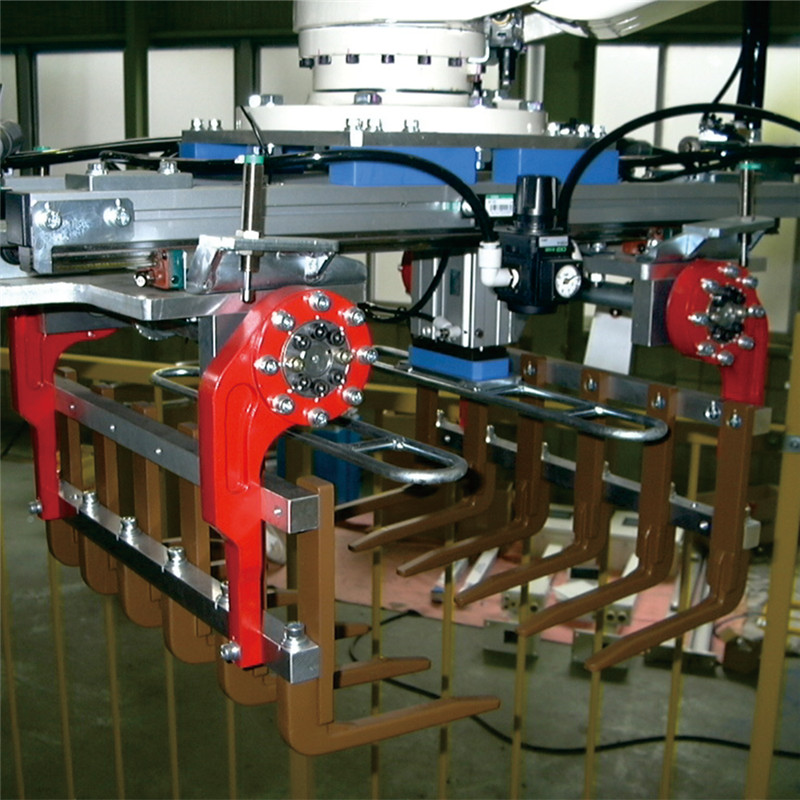
Vibratory feeders, robotic pick-and-place arms, and AGVs transport parts seamlessly between stations, reducing manual labor and errors.
Assembly Modules
Dedicated units perform pressing, gluing, welding, screwing, or inserting operations. These modules are often modular and configurable to accommodate product variations.
Robotic Arms
Articulated, SCARA, and delta robots execute precise assembly tasks, from spot welding in automotive manufacturing to delicate component placement in electronics.
Inspection and Testing Systems
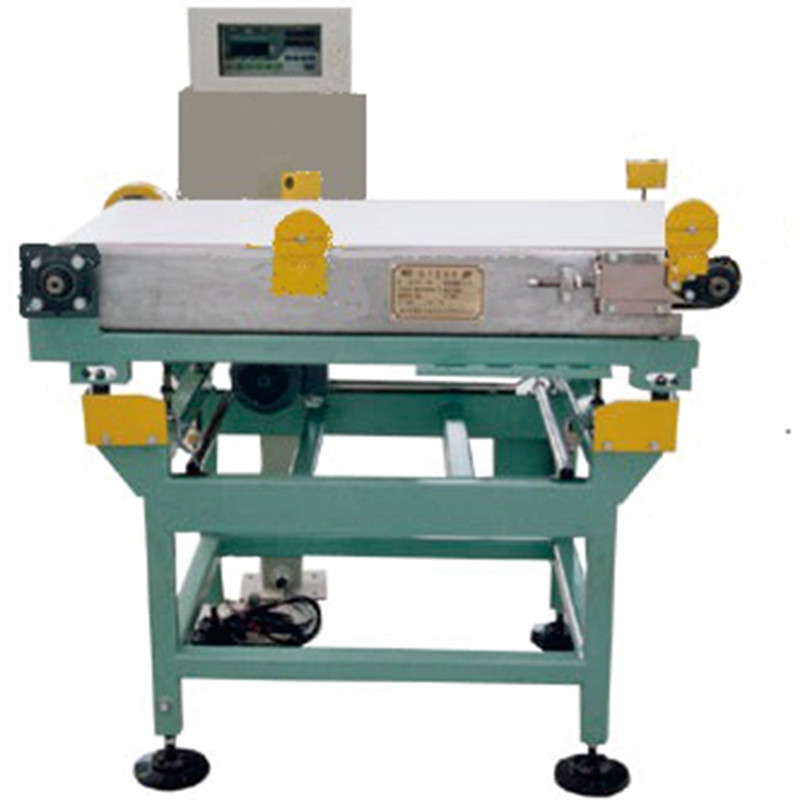
Inline vision systems, torque sensors, and 3D scanners ensure every product meets stringent quality standards, detecting defects early.
Control Systems
PLCs, SCADA, and HMIs provide centralized monitoring and control, enabling real-time adjustments to optimize production flow.
Data and Traceability Systems
Integration with Manufacturing Execution Systems (MES) and Enterprise Resource Planning (ERP) platforms allows tracking of components and production metrics, enhancing transparency and decision-making.