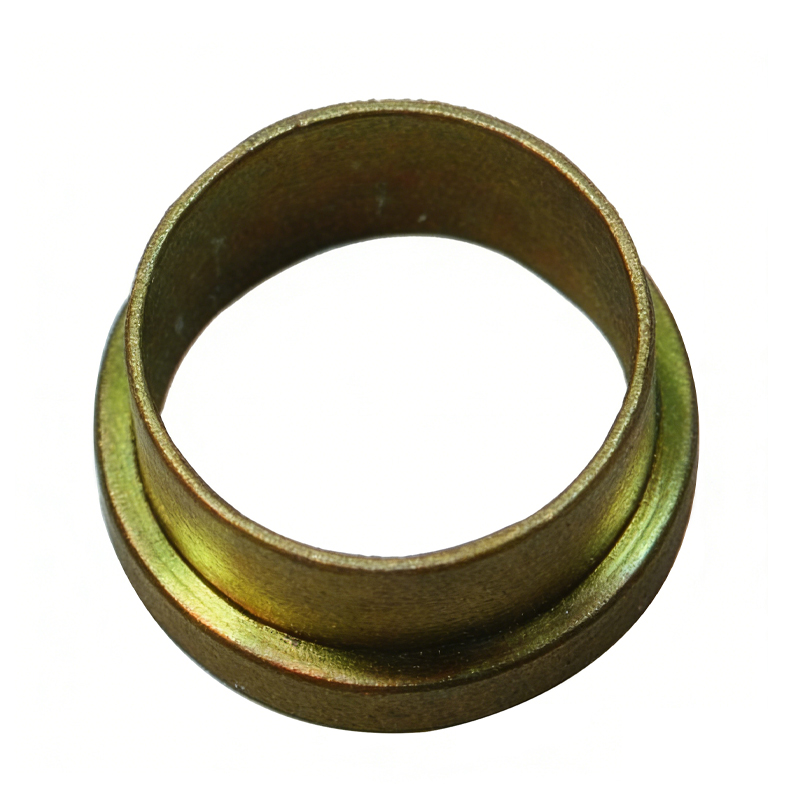
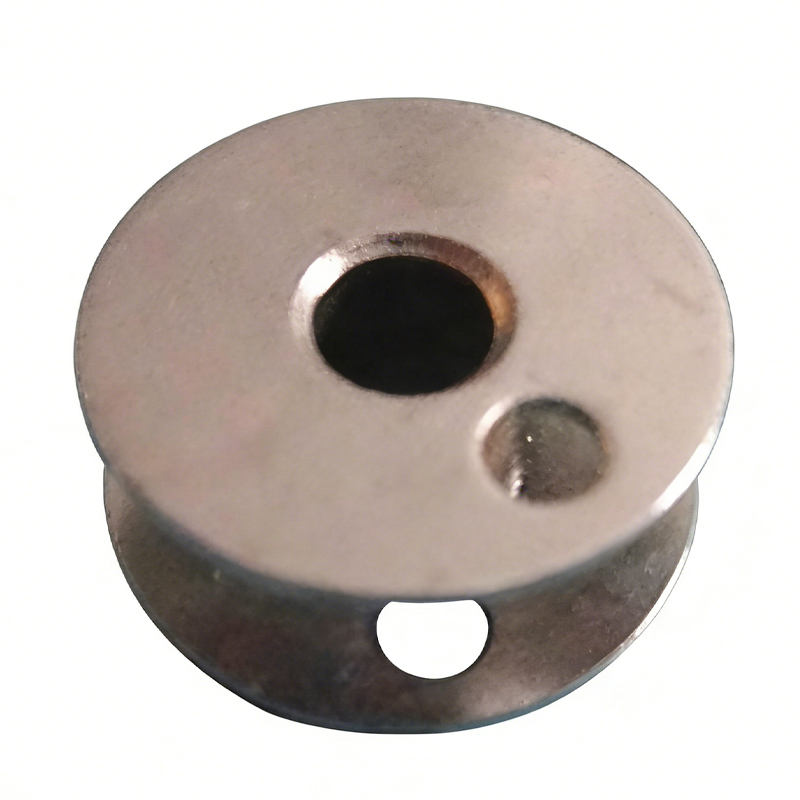
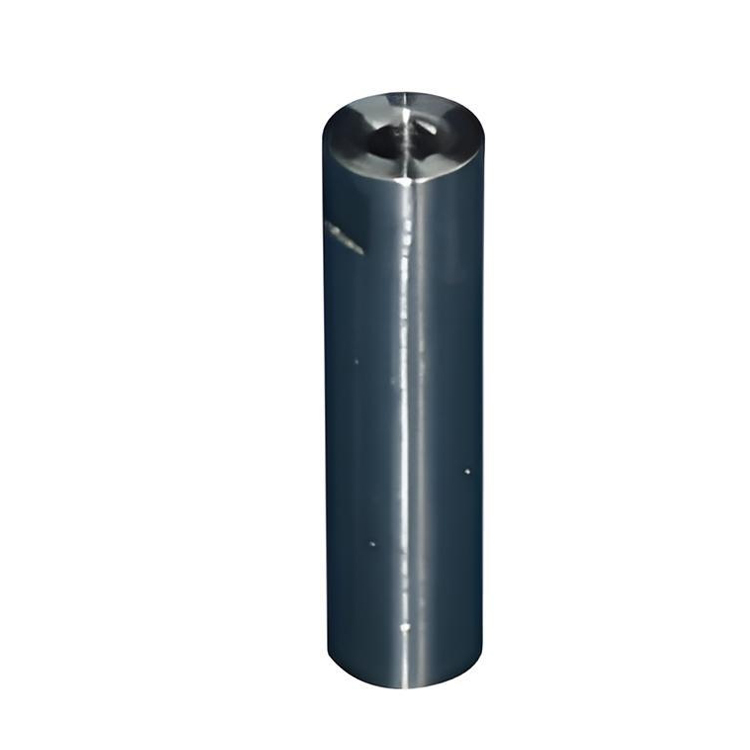
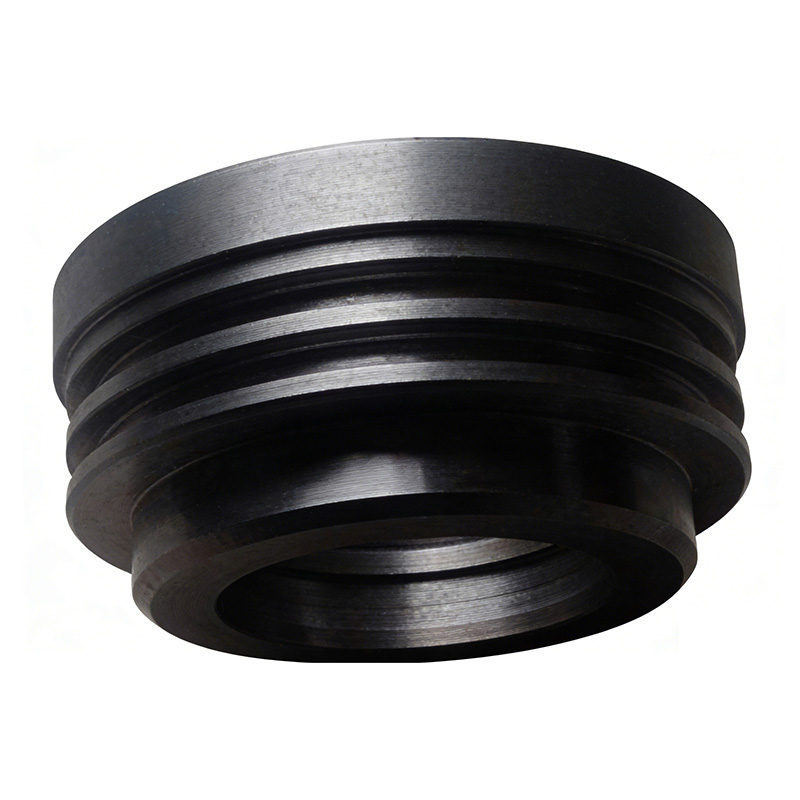
A transition joint is a specially engineered connector designed to join two different materials or components, often metals, ceramics, polymers, or composites. Unlike traditional joints, transition joints accommodate differences in physical properties such as thermal expansion coefficients, electrical conductivity, and mechanical strength. This capability makes them ideal for hydraulic cylinder accessories where components made from varying materials must work together seamlessly.
Transition joints ensure a strong, corrosion-resistant bond, preventing common issues like cracking, delamination, or leakage that can arise from incompatible materials. They are manufactured using advanced techniques such as welding, brazing, explosion bonding, or adhesive bonding, tailored to the specific materials and operating conditions.
Types of Transition Joints in Hydraulic Cylinder Accessories
Transition joints come in various forms depending on the materials involved and the application requirements. Here are the main types relevant to hydraulic cylinder accessories:
1. Metal-to-Metal Transition Joints
Used to join metals with different mechanical or thermal properties (e.g., steel to aluminum).
Common in hydraulic cylinders where steel rods connect to aluminum housings.
Provide strength and corrosion resistance.
2. Metal-to-Polymer Transition Joints
Connect metal parts to polymer seals or bushings.
Offer flexibility and chemical resistance.
Ideal for components exposed to hydraulic fluids and varying pressures.
3. Composite Transition Joints
Bond metals to composite materials like carbon fiber.
Used in lightweight hydraulic cylinders for aerospace or automotive applications.
Enhance strength-to-weight ratio.
4. Clad Transition Joints
Manufactured by explosion welding or cladding processes.
Combine layers of different metals (e.g., aluminum clad stainless steel).
Provide excellent bonding strength and corrosion resistance.