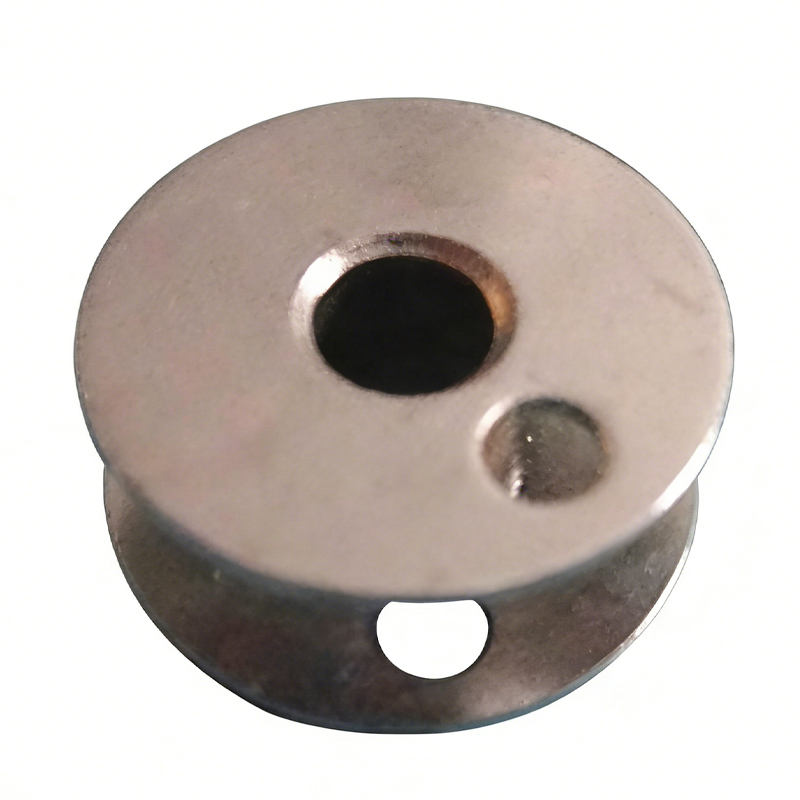
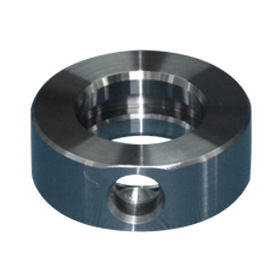
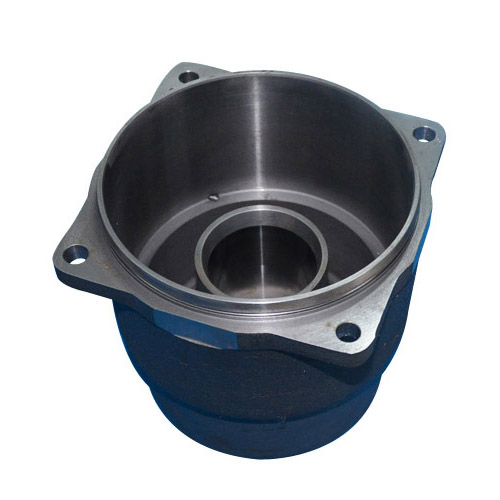
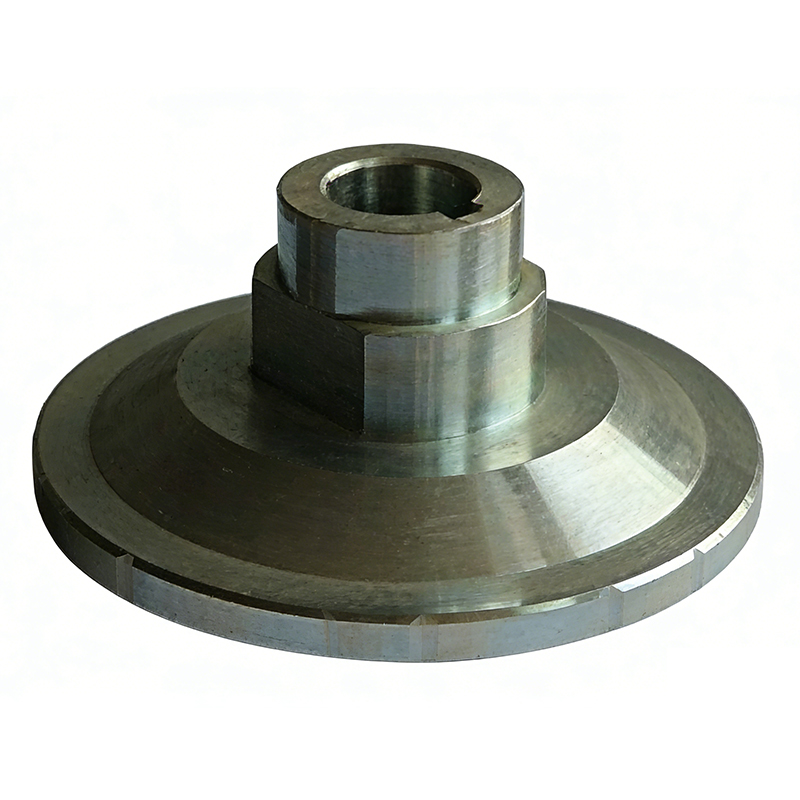
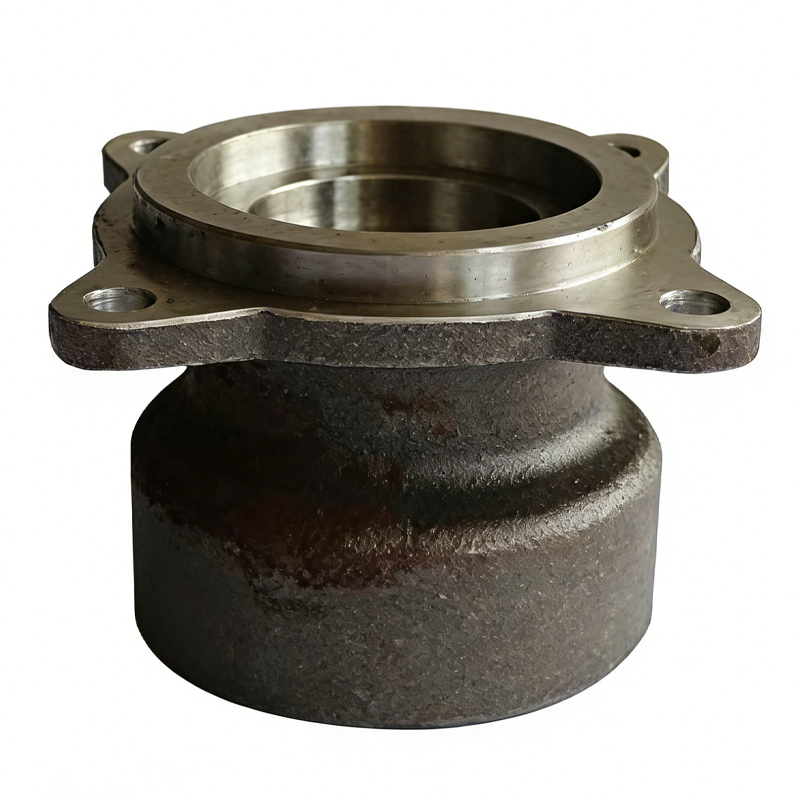
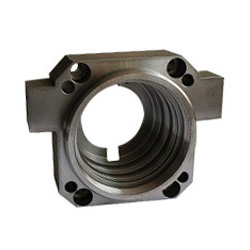
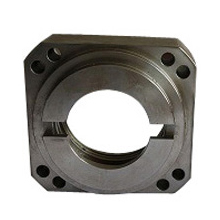
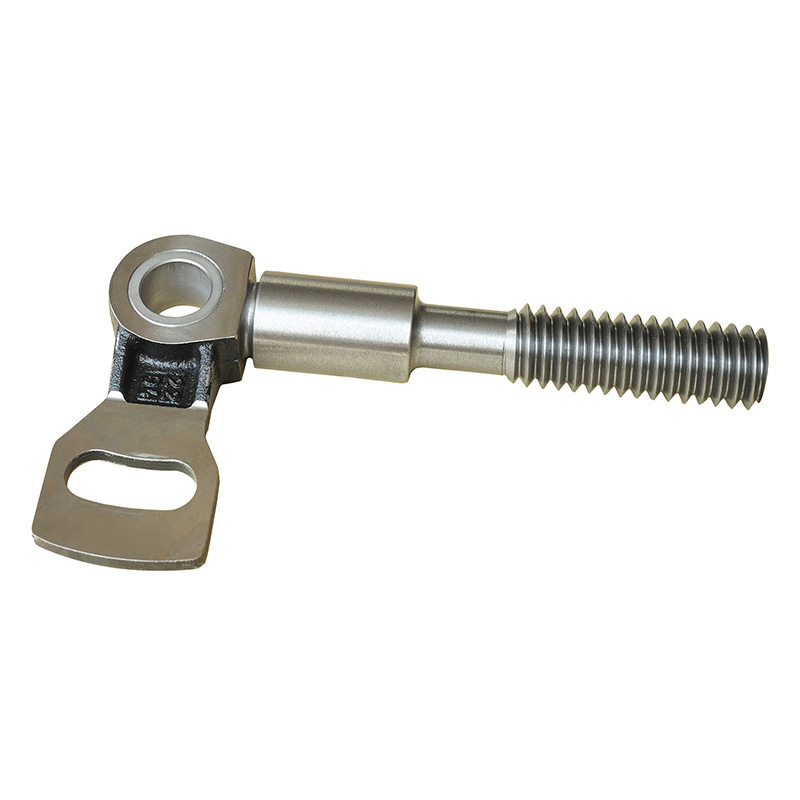
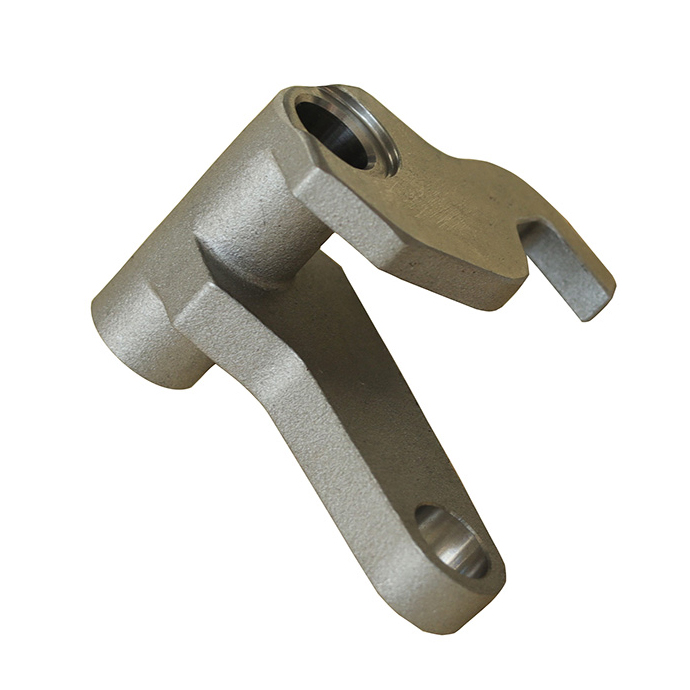
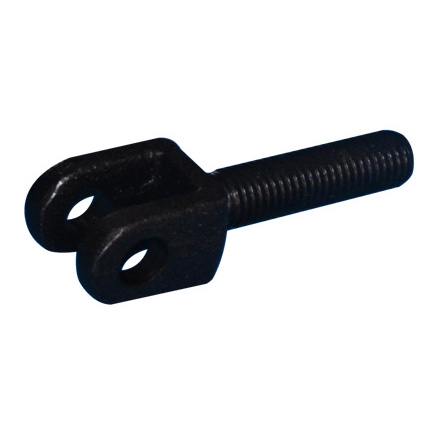
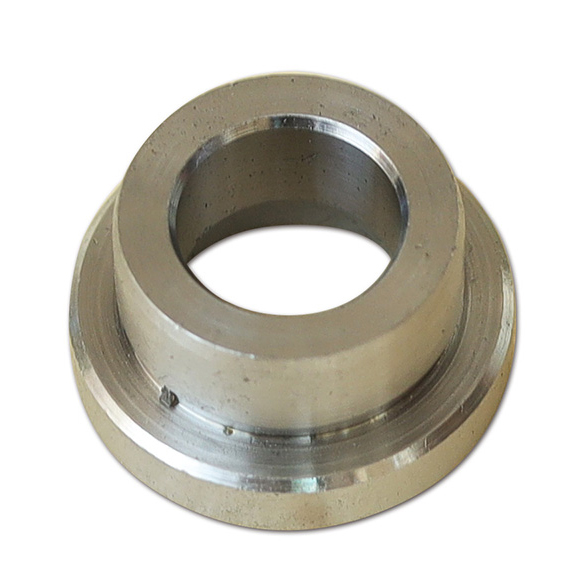
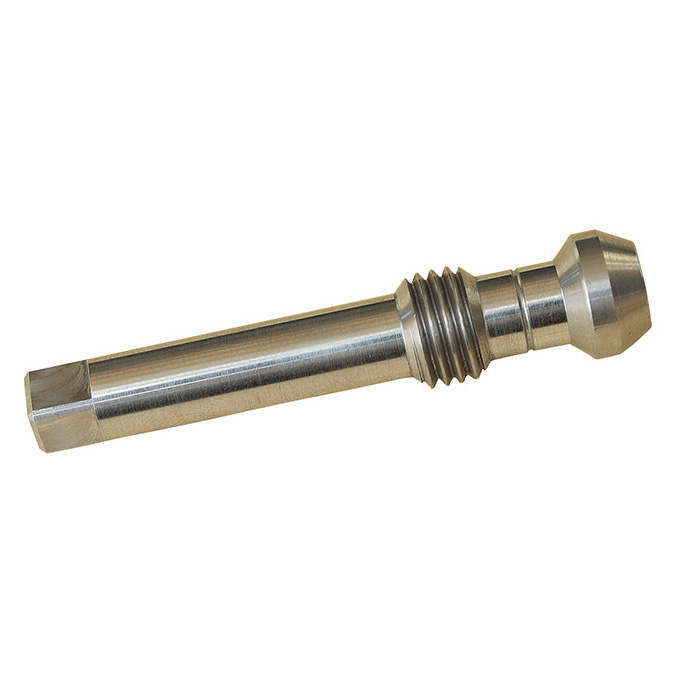
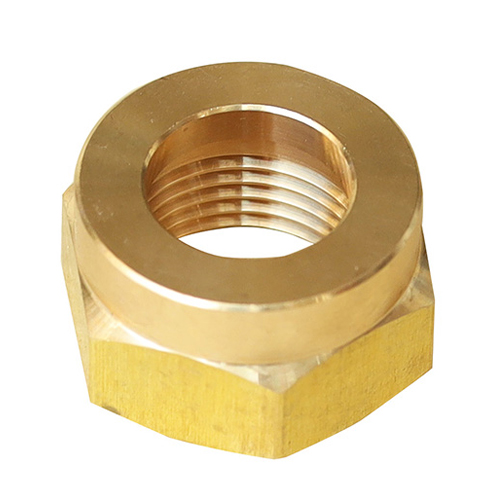
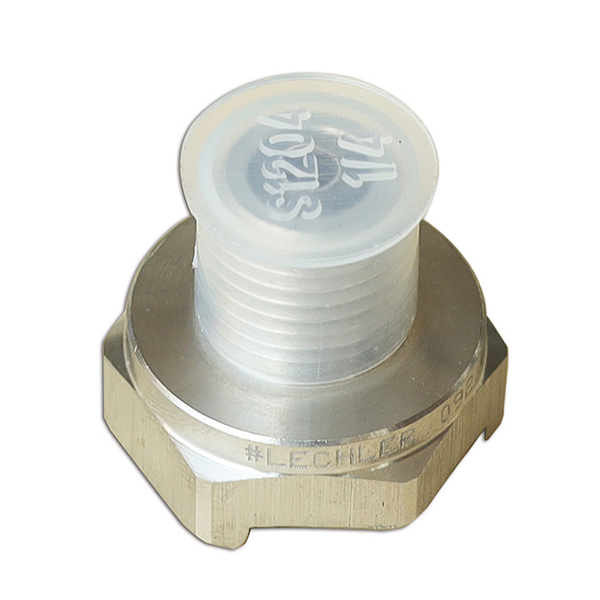
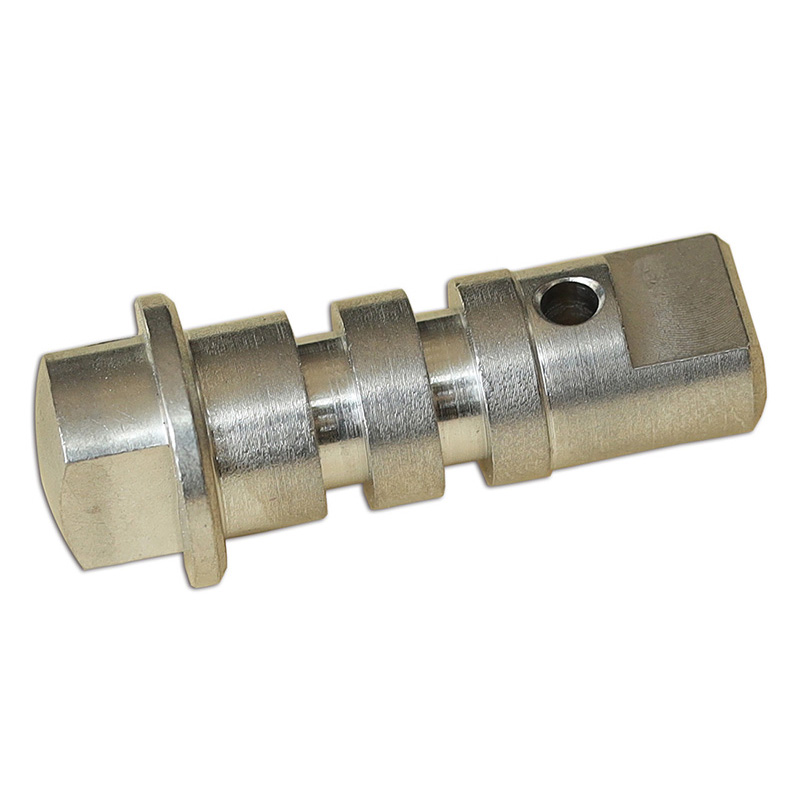
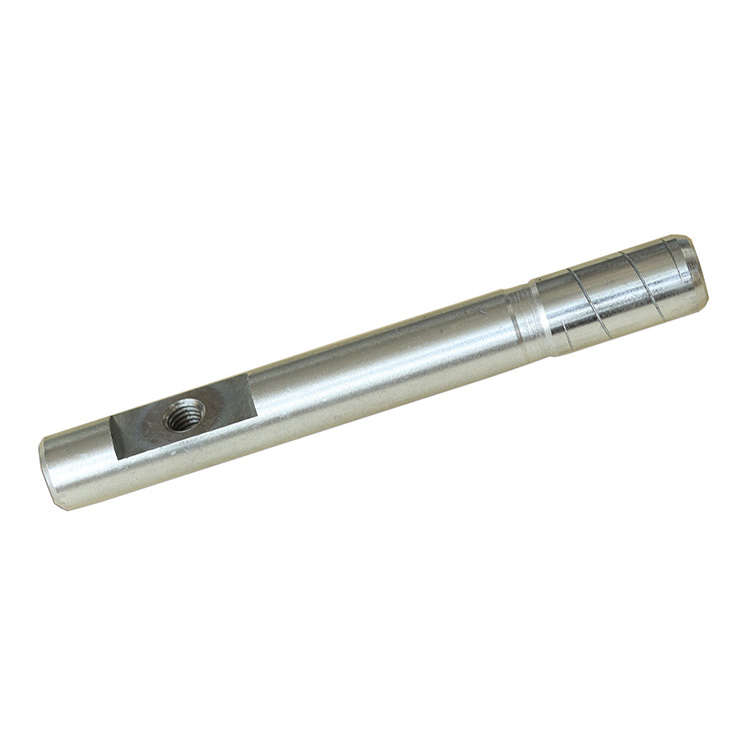
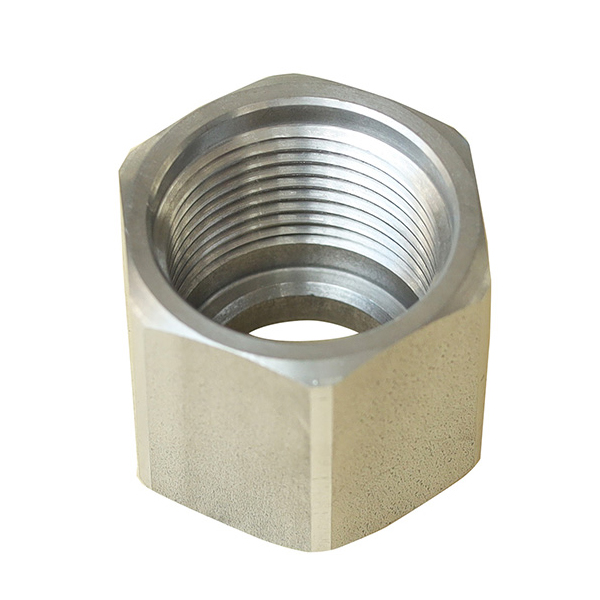
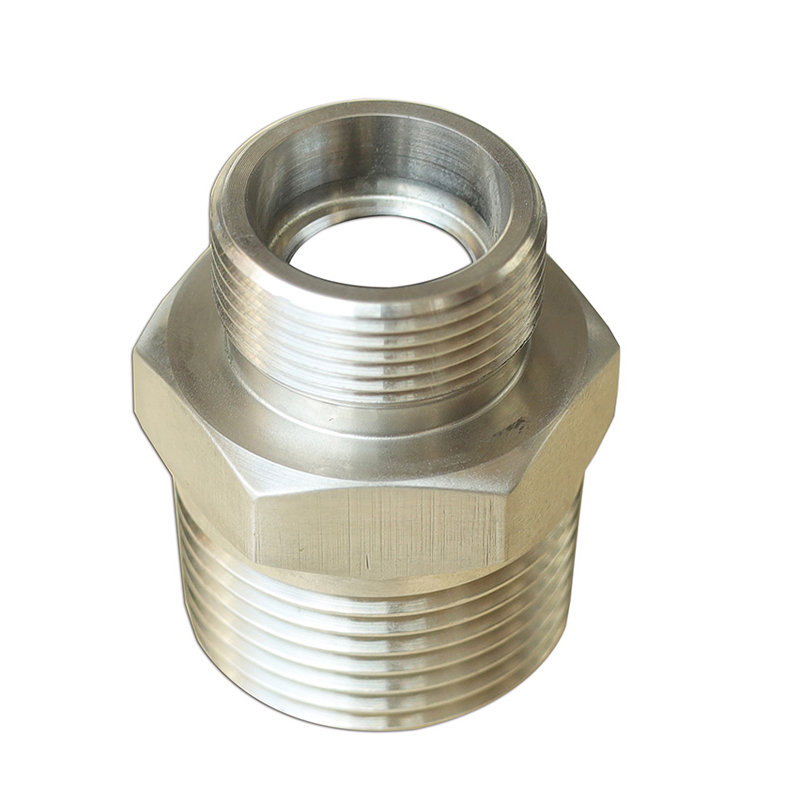
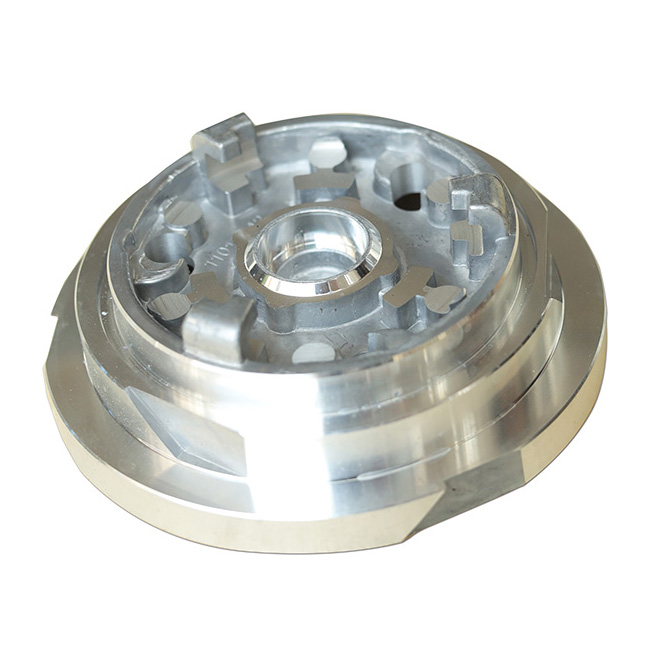
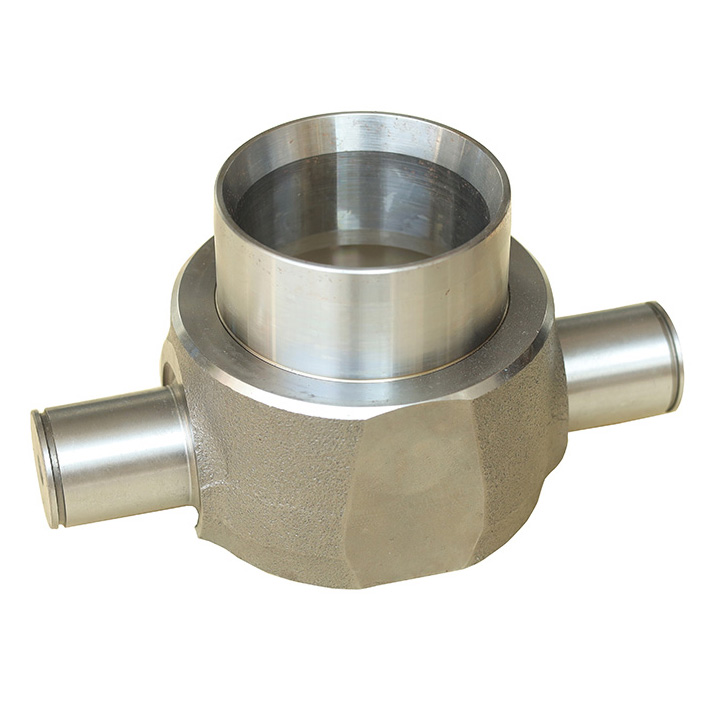
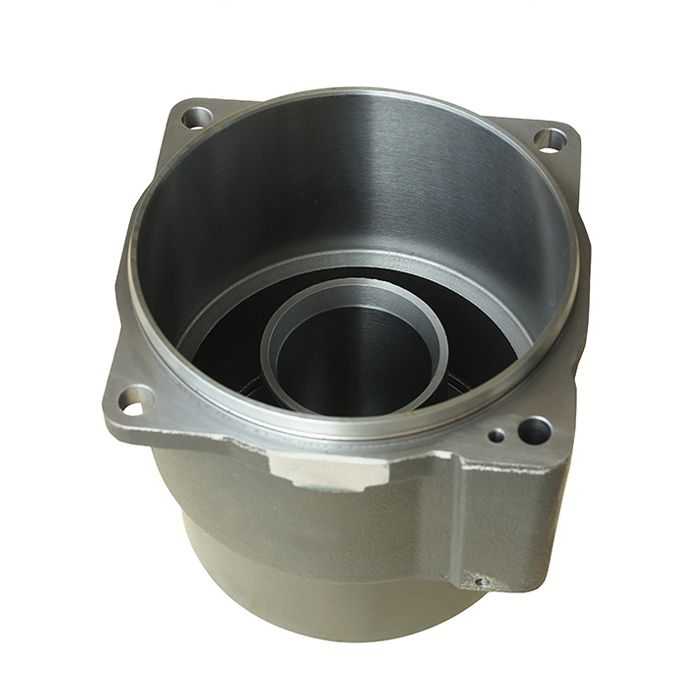
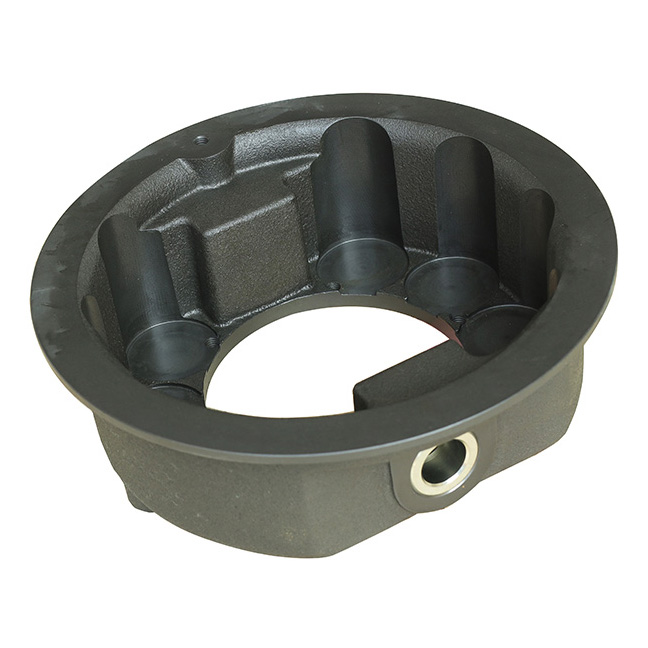
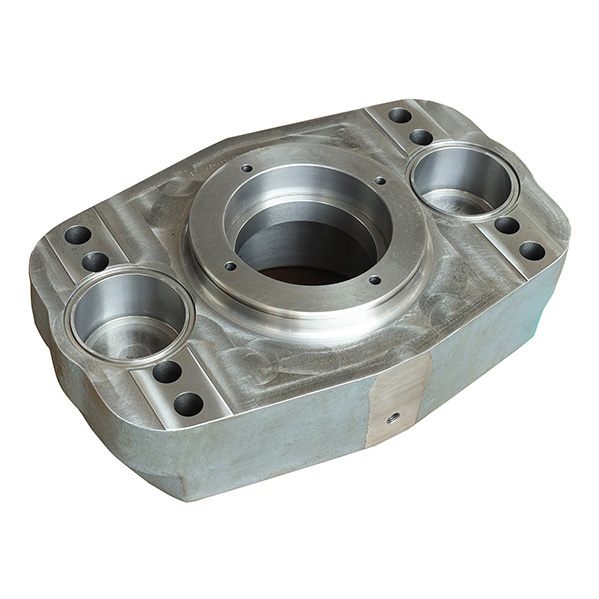
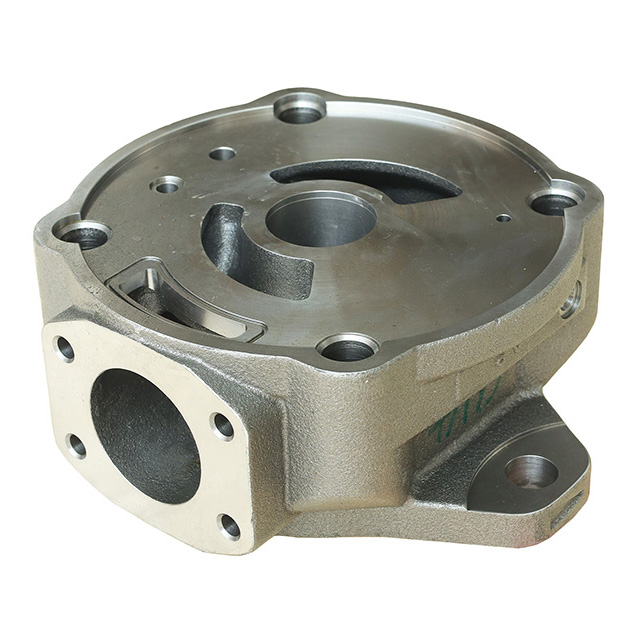
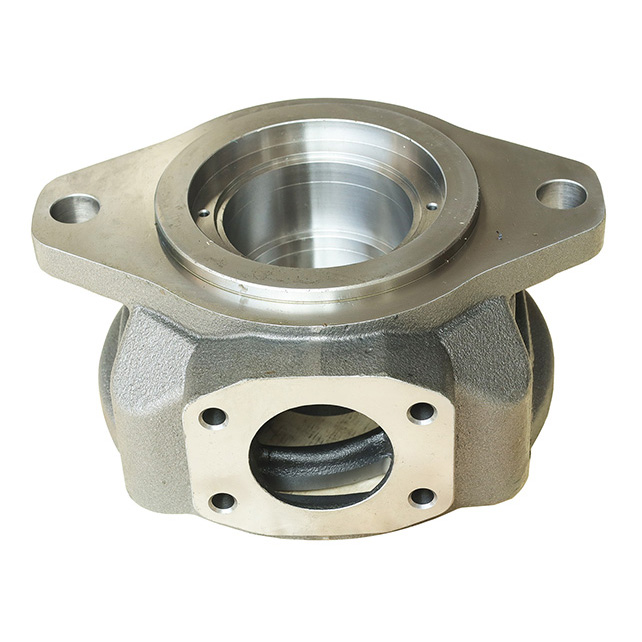
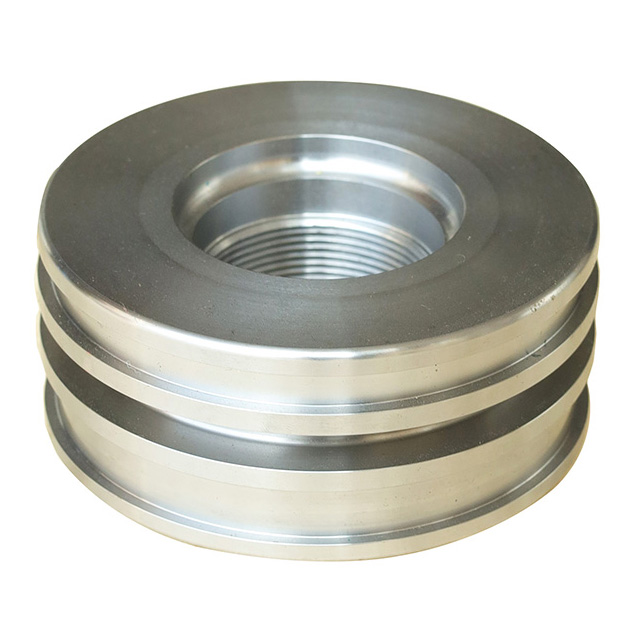
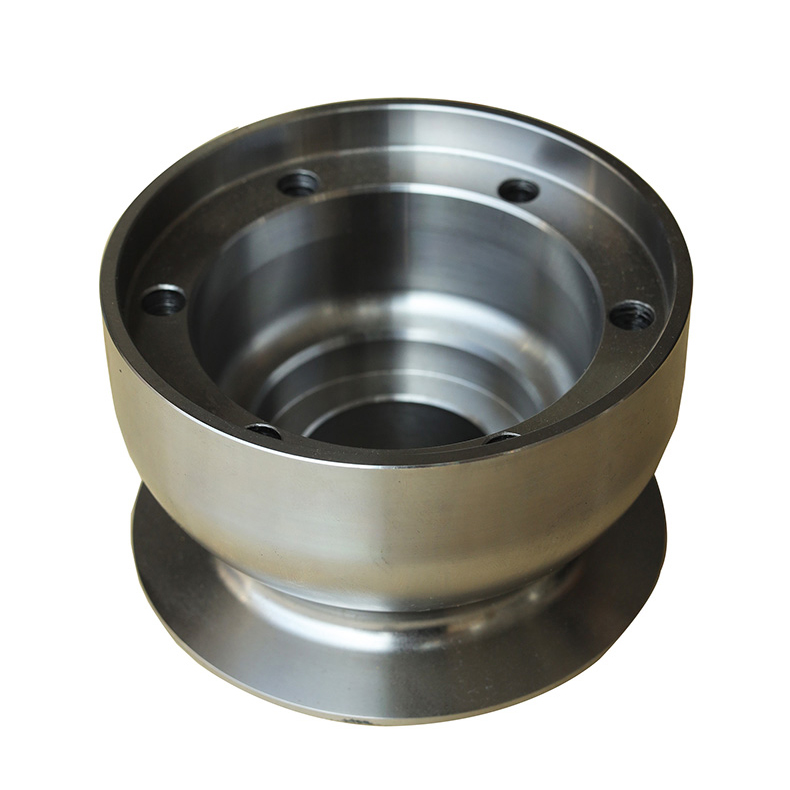
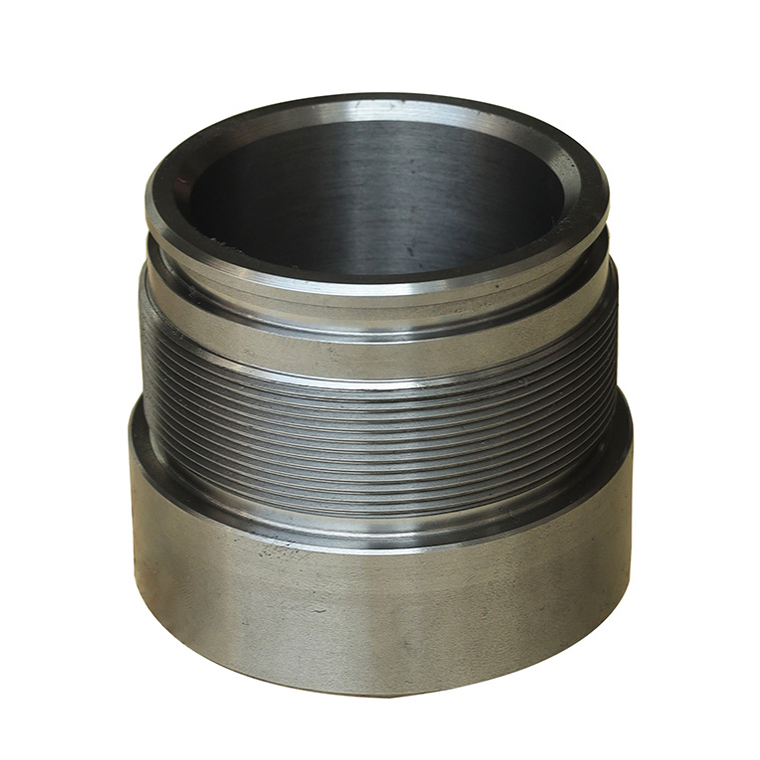
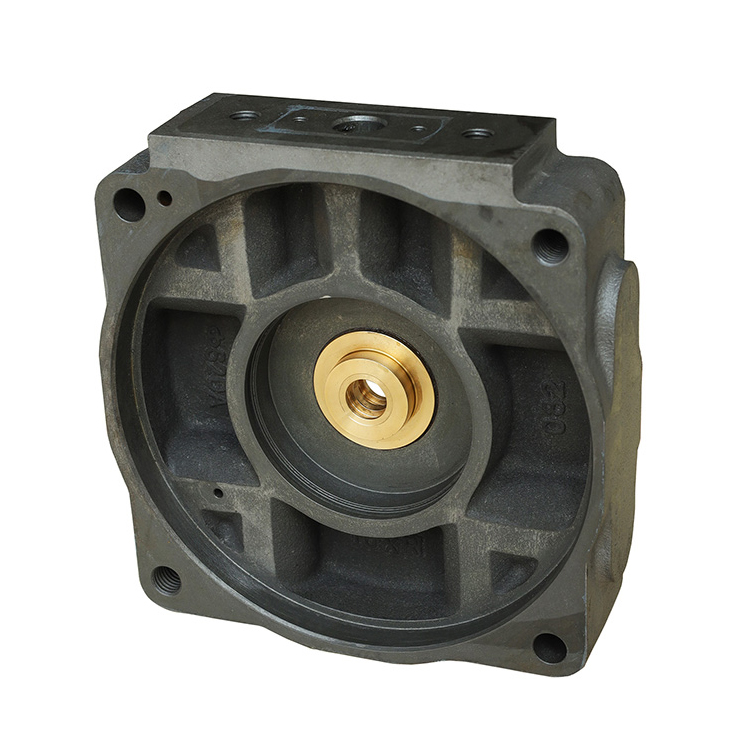
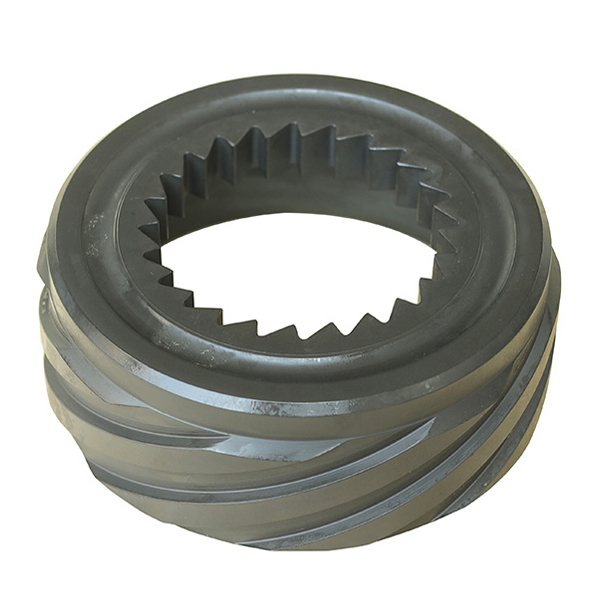
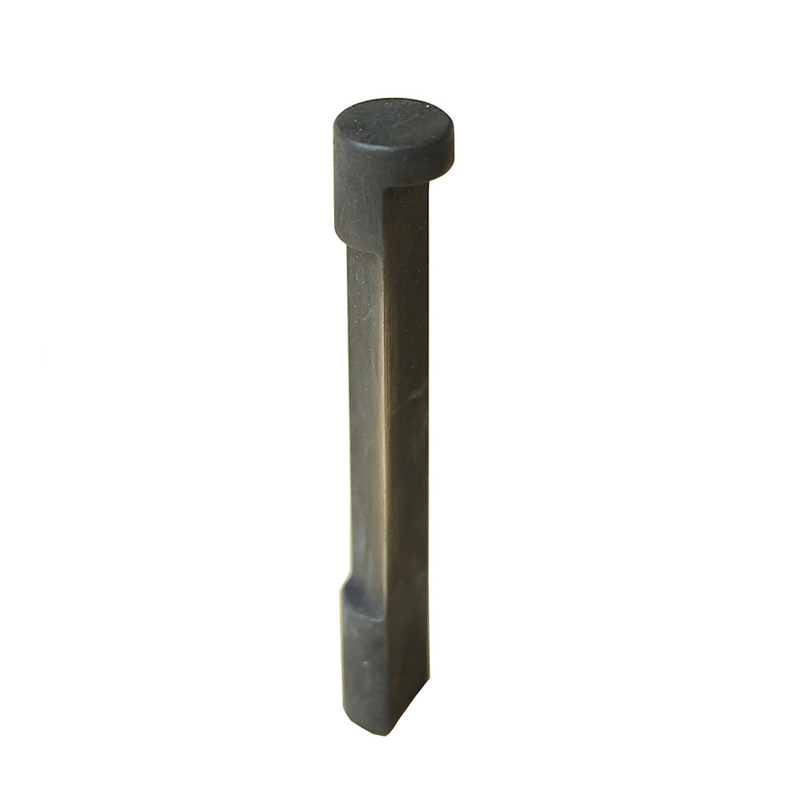
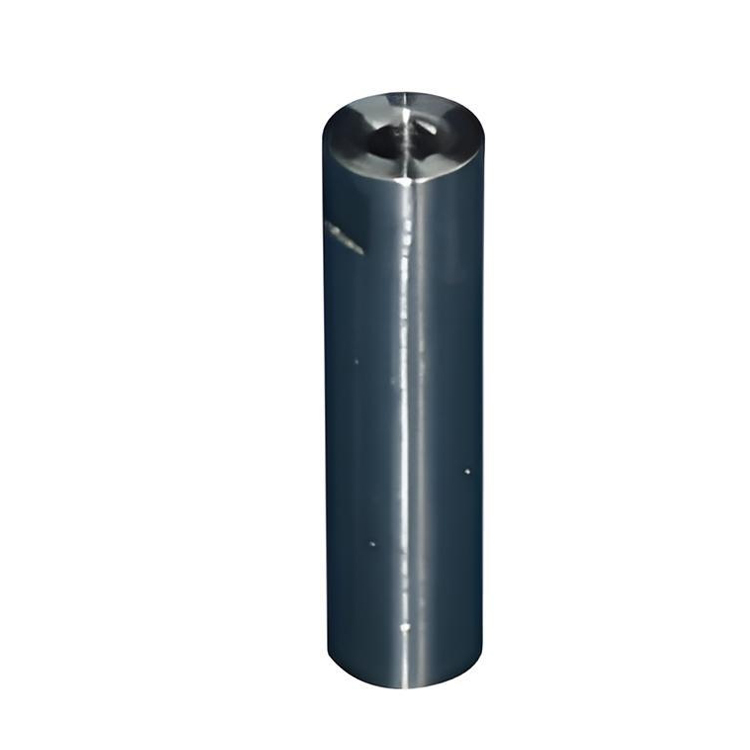
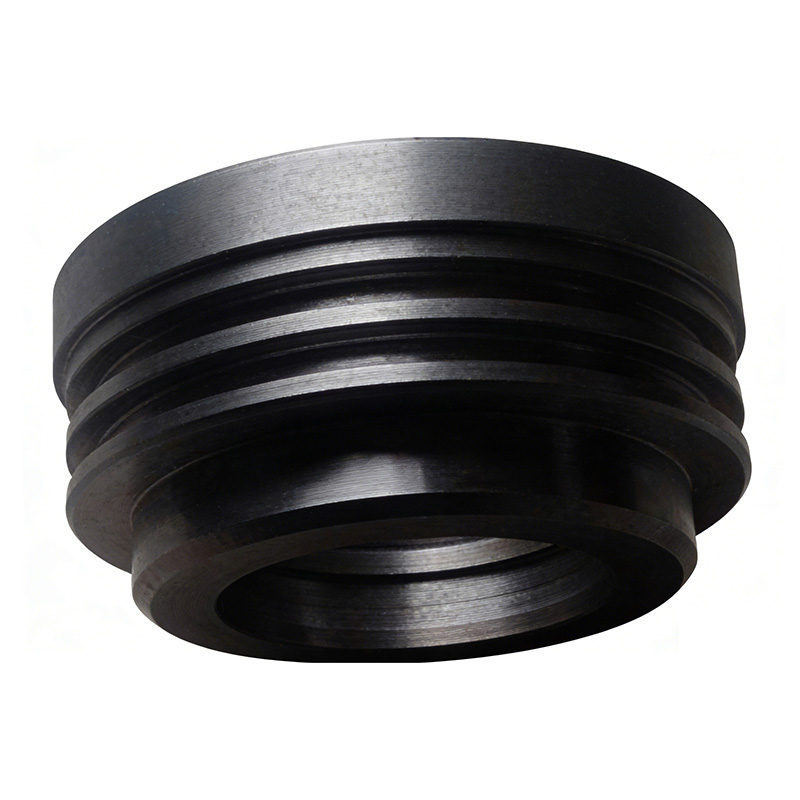
CNC turning, also known as computer numerical control turning, is a subtractive machining process where a rotating workpiece is shaped by a stationary cutting tool. Unlike traditional manual lathes, CNC turning uses automated computer programming—typically G-code—to control the cutting tool’s movement with precision, repeatability, and speed.
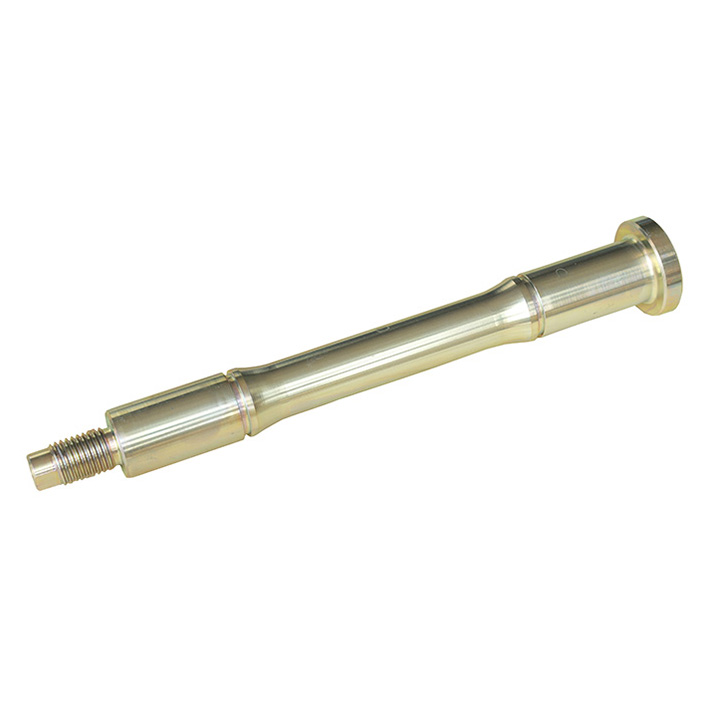
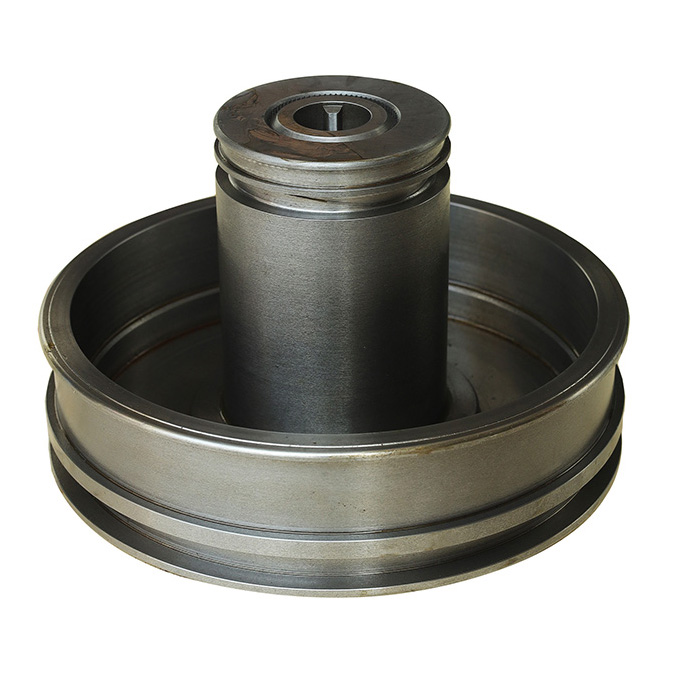
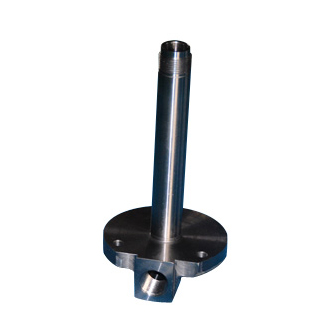
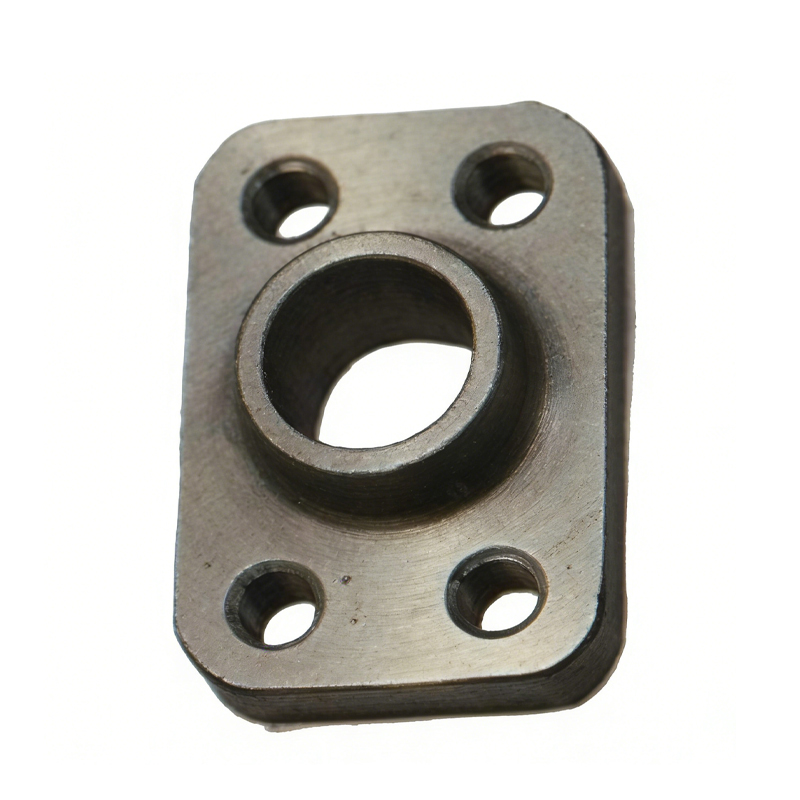
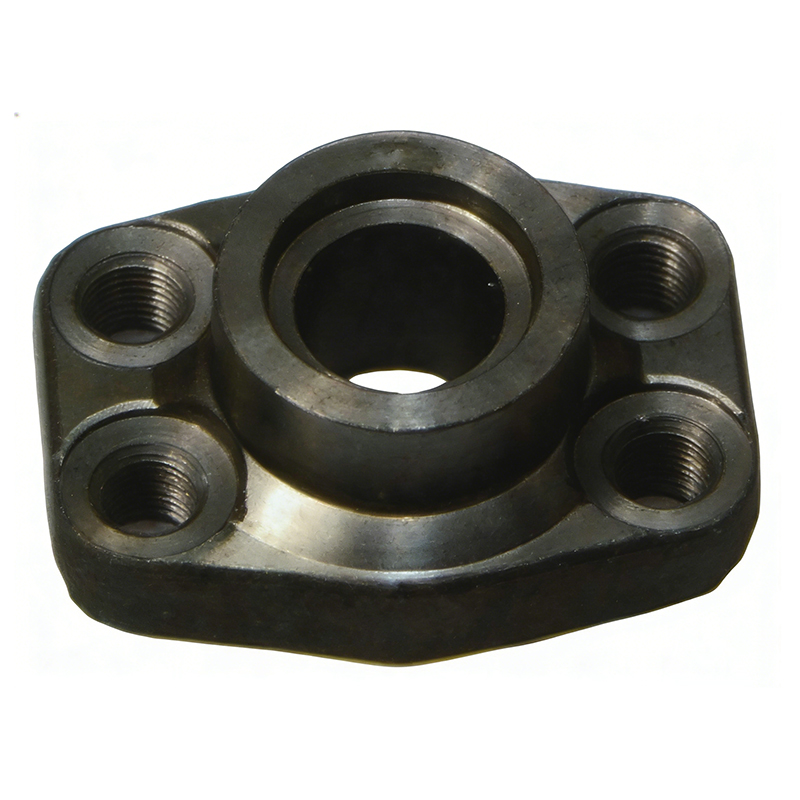
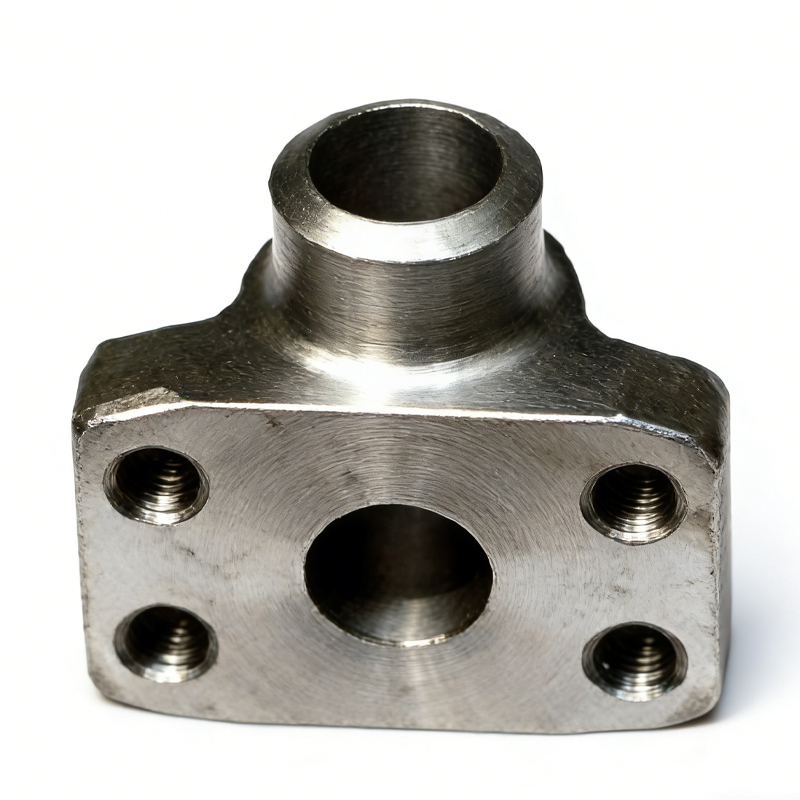
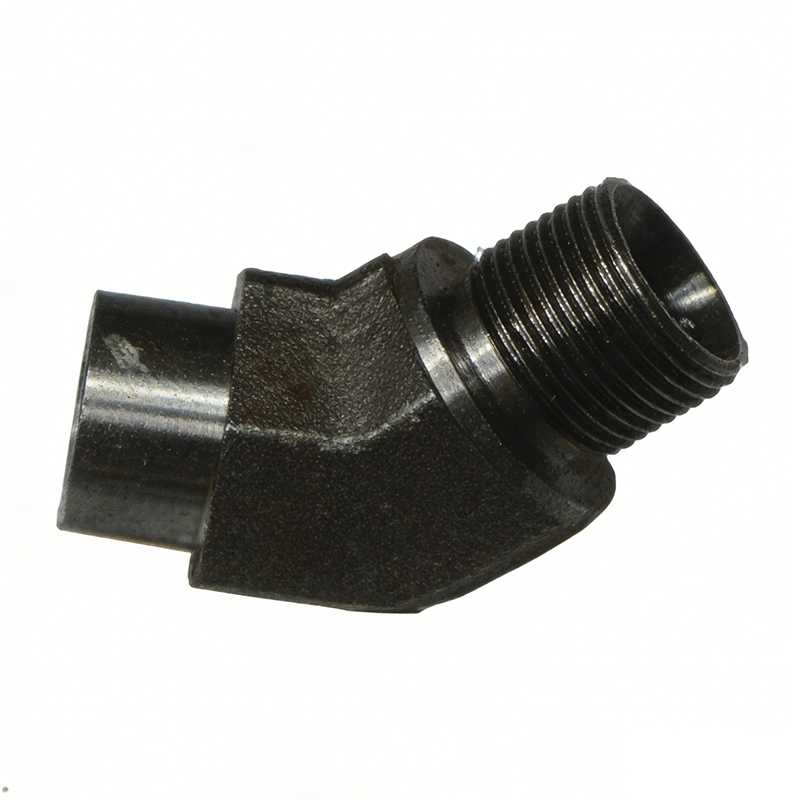
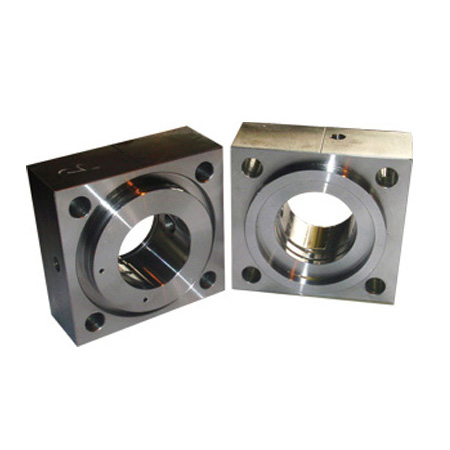
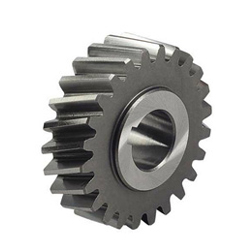
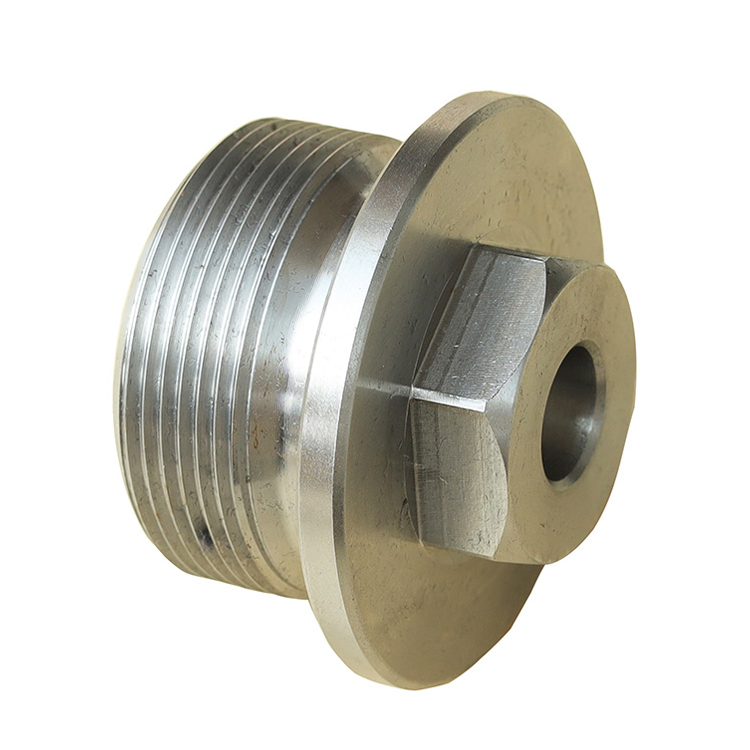
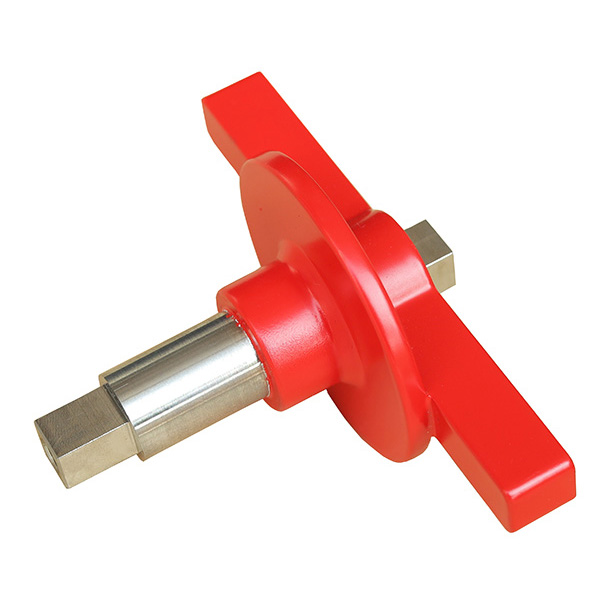
The primary goal of CNC turning is to remove material from a cylindrical workpiece (metal, plastic, or composite) to produce parts such as shafts, pins, flanges, or threaded components. The automation inherent in CNC turning ensures consistent quality, reduced human error, and efficient production cycles.
How CNC Turning Works: Step-by-Step
Understanding the CNC turning process helps appreciate its precision and versatility:
Workpiece Setup:
The raw material, often a cylindrical bar or rod, is securely mounted and centered on the spindle of the CNC lathe. The spindle rotates the workpiece at variable speeds tailored to the material and desired finish.
Tool Selection and Setup:
Cutting tools are selected based on the material and part geometry. Tools are mounted on a turret or tool holder, programmed to move accurately along multiple axes (usually X and Z).
Programming the CNC Lathe:
Using CAD/CAM software, the part design is converted into G-code, which instructs the machine on tool paths, speeds, and feed rates.
Turning Operation:
The rotating workpiece is machined by the stationary tool, which moves precisely to remove material. Advanced machines may employ additional axes (Y or C) to perform milling, threading, or drilling in a single setup.
Coolant Application:
Coolants or lubricants are applied to reduce heat, improve tool life, and remove chips from the cutting area.
Finishing and Inspection:
Once machining is complete, parts undergo inspection for dimensional accuracy and surface finish. Secondary operations like chamfering or parting-off may be performed if necessary.