What Is a Guide Bushing?
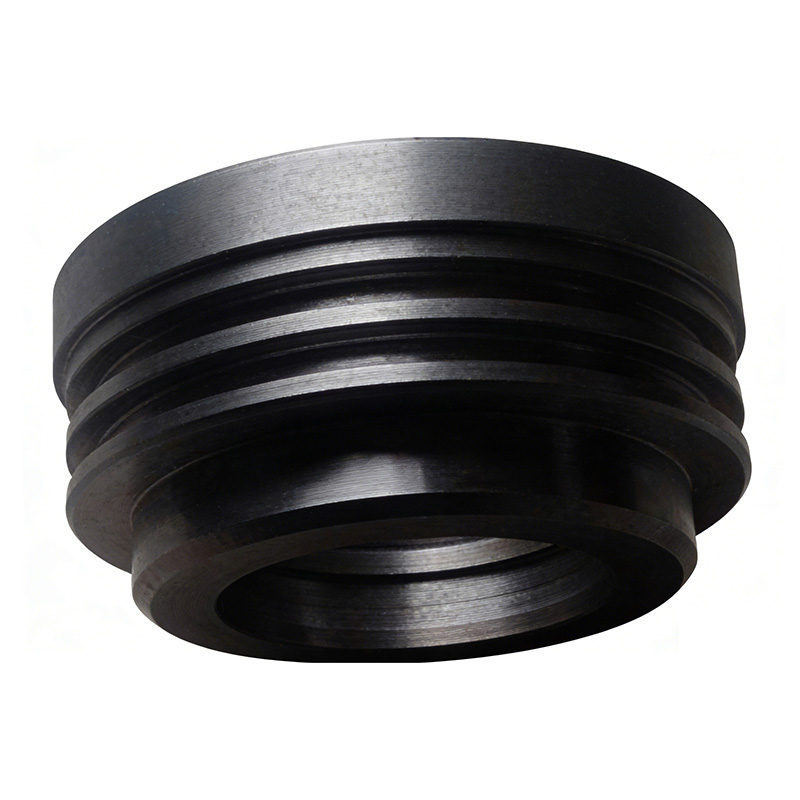
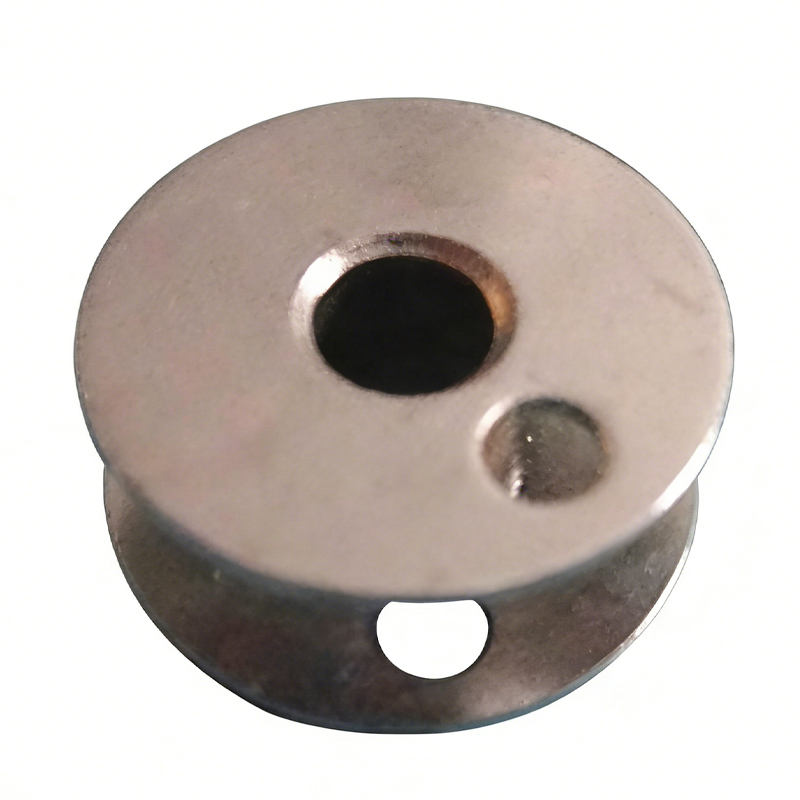
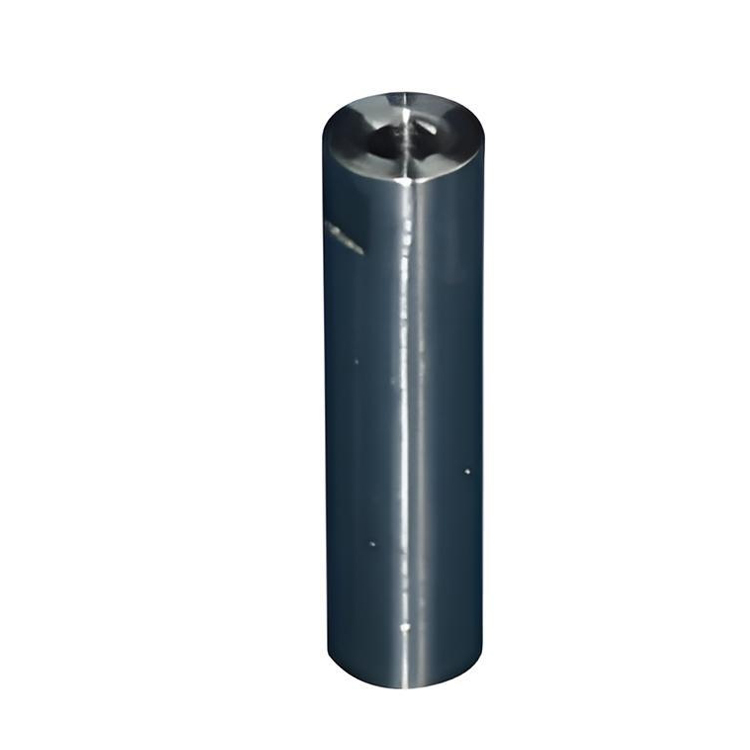
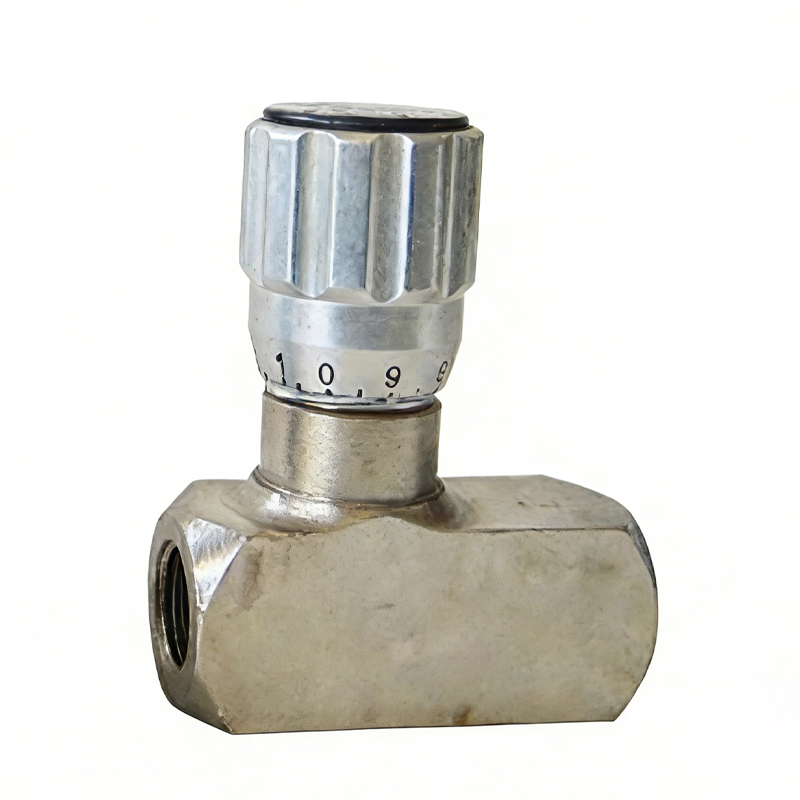
A guide bushing is a cylindrical component designed to provide precise alignment and support for moving parts such as drill bits, guide pins, or shafts. By minimizing friction and wear, guide bushings help maintain accuracy and extend the life of machinery and tools. They are widely used in injection molding, die casting, woodworking, drilling, and automation systems.
Types of Guide Bushings
Understanding the different types of guide bushings helps in selecting the right one for your application:
1. Oil-Free Universal Guide Bushings
Manufactured from copper alloy with embedded graphite, these bushings offer self-lubricating properties. Brands like MISUMI provide straight and flanged versions designed for low-friction applications that require minimal maintenance. These are ideal for environments where lubrication is difficult or undesirable, such as cleanrooms or high-temperature settings.
2. Drill Bit Guide Bushings
Used primarily in drilling operations, these bushings ensure the drill bit follows the correct path, reducing wandering and improving hole accuracy. Types include:
Internal Guide Bushings: Positioned inside drilling apparatuses for deep or precision drilling.
External Guide Bushings: Mounted externally to guide surface drilling.
Tubular Guide Bushings: Cylindrical bushings that provide a tight guide tunnel.
Adjustable Guide Bushings: Allow variable diameters for versatile drilling needs.
3. Woodworking Guide Bushings
Typically made of brass, these attach to router bases to guide router bits along templates, enabling woodworking precision. Types include straight, tapered, adjustable, floating, and inner guide bushings.
4. Oilless Ejector Guide Bushings
Made of bronze with embedded solid lubricants like graphite or PTFE, these bushings are used in injection molding and die casting. They provide oil-free, low-friction operation, reducing maintenance and contamination risk.