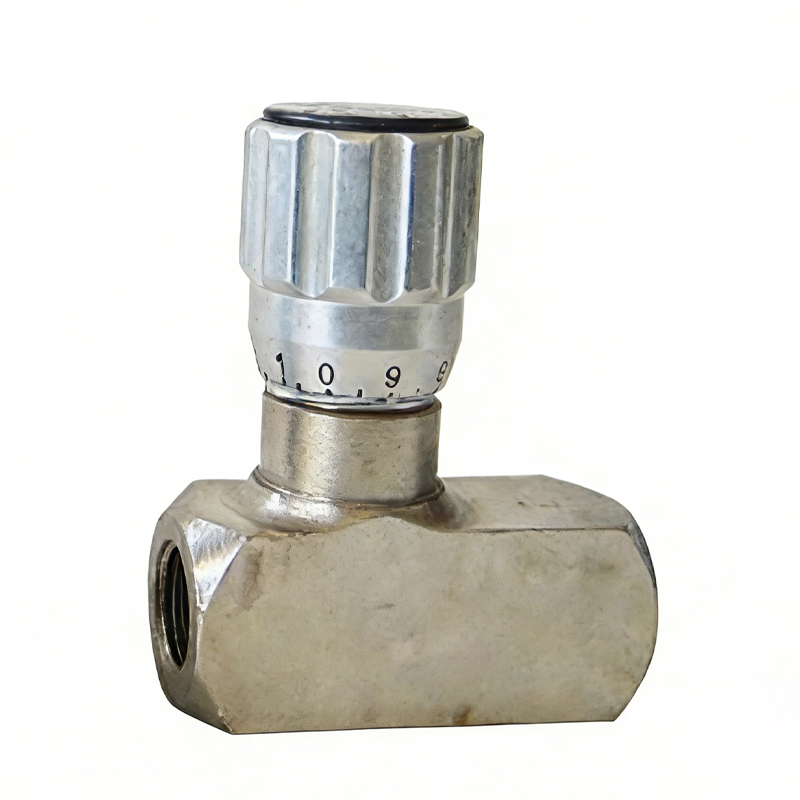
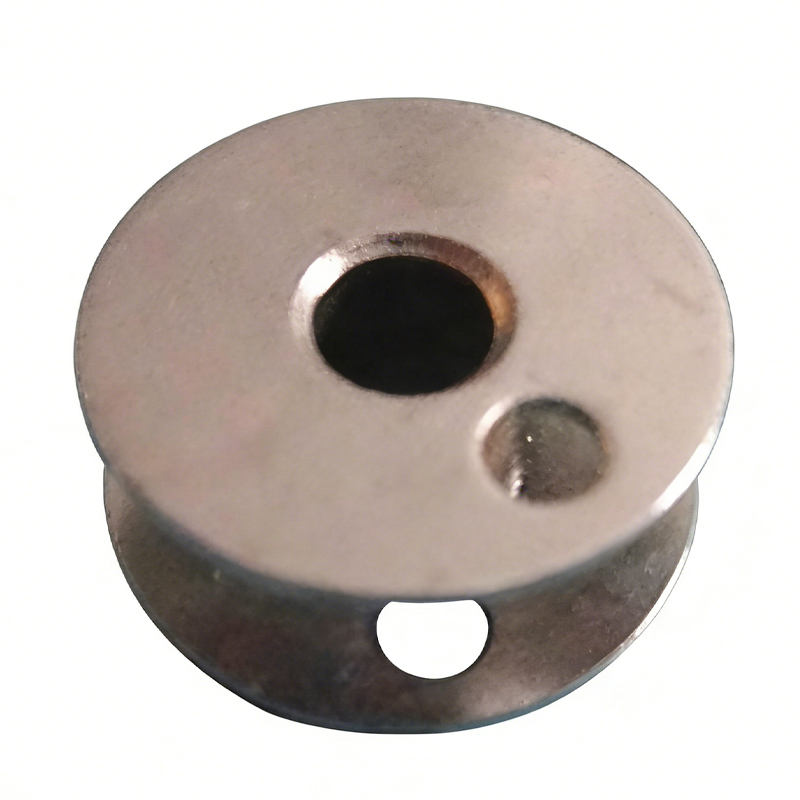
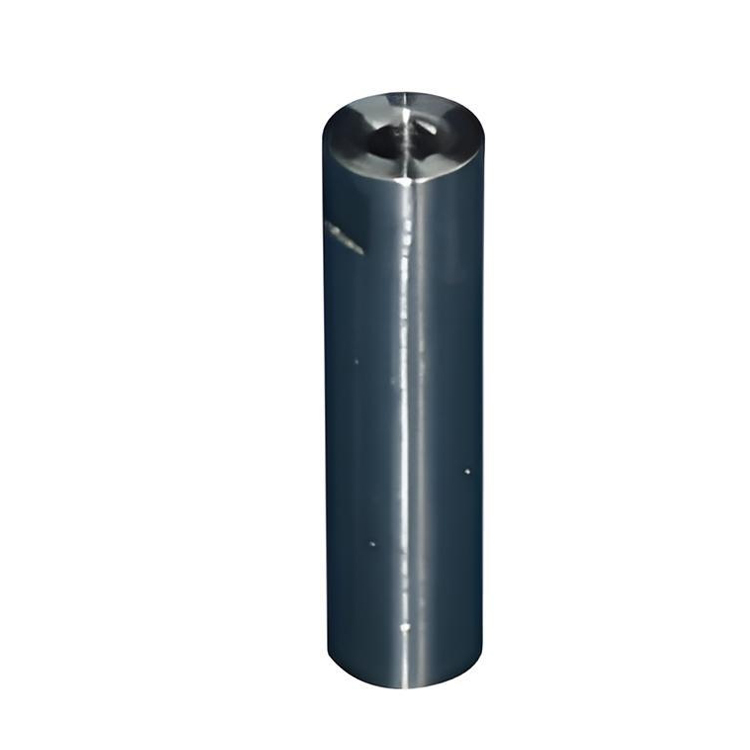
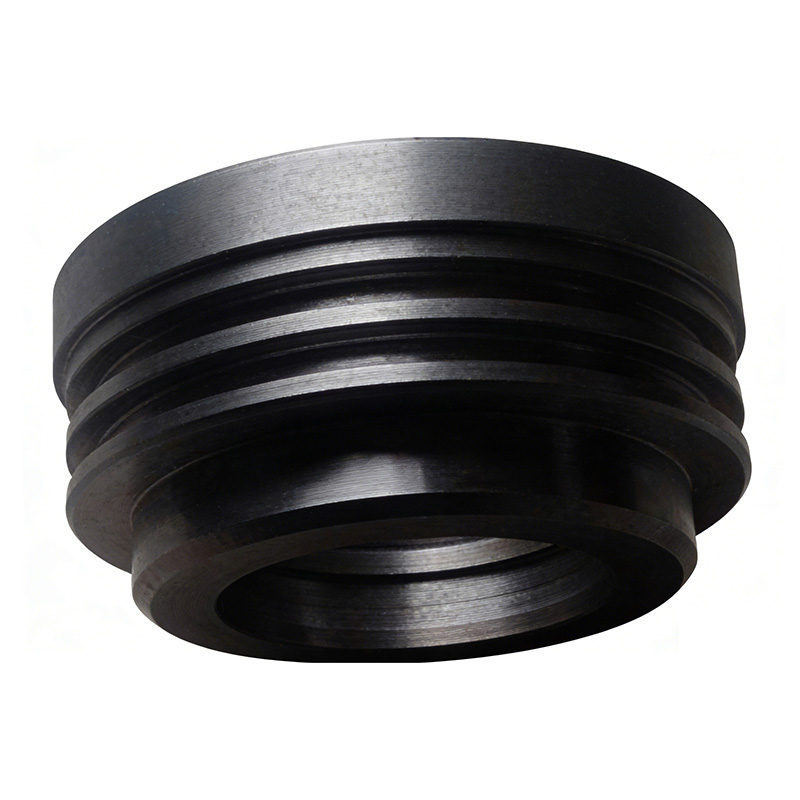
A throttle valve is a valve designed to regulate the flow rate or pressure of a fluid (liquid or gas) by varying the size of the flow passage. It is widely used in various fields—from household faucets to high-pressure industrial pipelines. The valve essentially "throttles" the fluid flow, providing precise control over the system’s performance.
Types of Throttle Valves
Throttle valves come in various structural forms and designs, each suited for specific applications and operating conditions. Based on the top Google search results and industry standards, throttle valves can be categorized as follows:
1. Based on Structural Forms
Pendulum Type: Uses a swinging disc to regulate flow; suitable for systems requiring quick response.
Lever Type: Employs a lever mechanism for manual or mechanical adjustment.
Spring Type: Utilizes a spring-loaded mechanism to maintain pressure balance.
Pulse Type: Designed for rapid, intermittent flow control.
2. Based on Valve Body Structure
Closed Type: Ensures no leakage of the discharged medium; ideal for toxic or corrosive fluids.
Non-Closed Type: Allows the discharged medium to vent; commonly used for air and steam.
3. Based on Throttle Mechanism
Needle Throttle Valve: Regulates flow by axial movement of a needle-shaped poppet; simple but prone to blockage.
Eccentric Throttle Valve: Uses an eccentric slot to adjust flow; suitable for large flow rates but may have unbalanced forces.
Axial Triangular Slot Throttle Valve: Features triangular slots for balanced hydraulic forces; ideal for high-pressure systems.
Groove Throttle Valve: Controls flow via a groove on the valve poppet; often used in low-pressure systems.
Axial Gap Throttle Valve: Adjusts flow through axial movement of a valve sleeve; offers high stability and performance.