What Are Machined Parts?
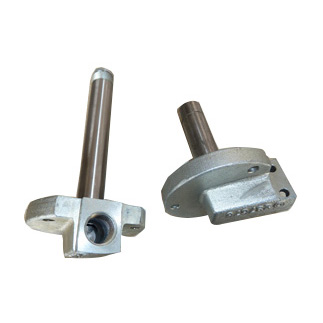
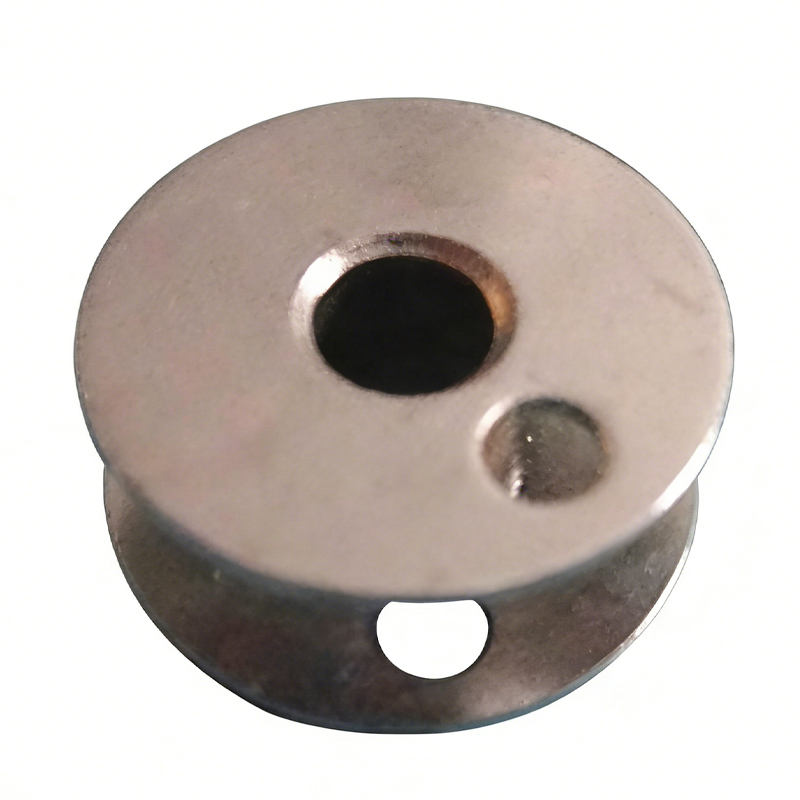
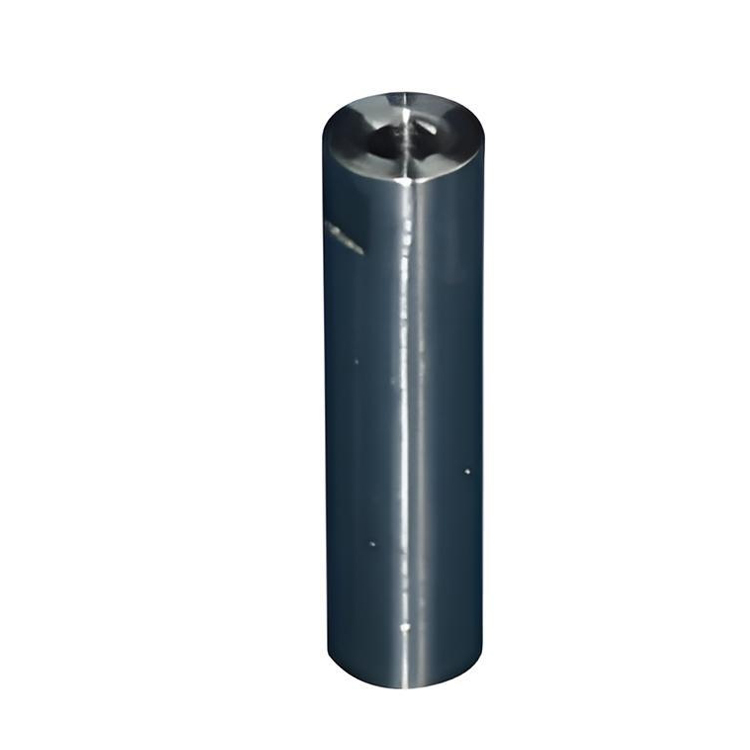
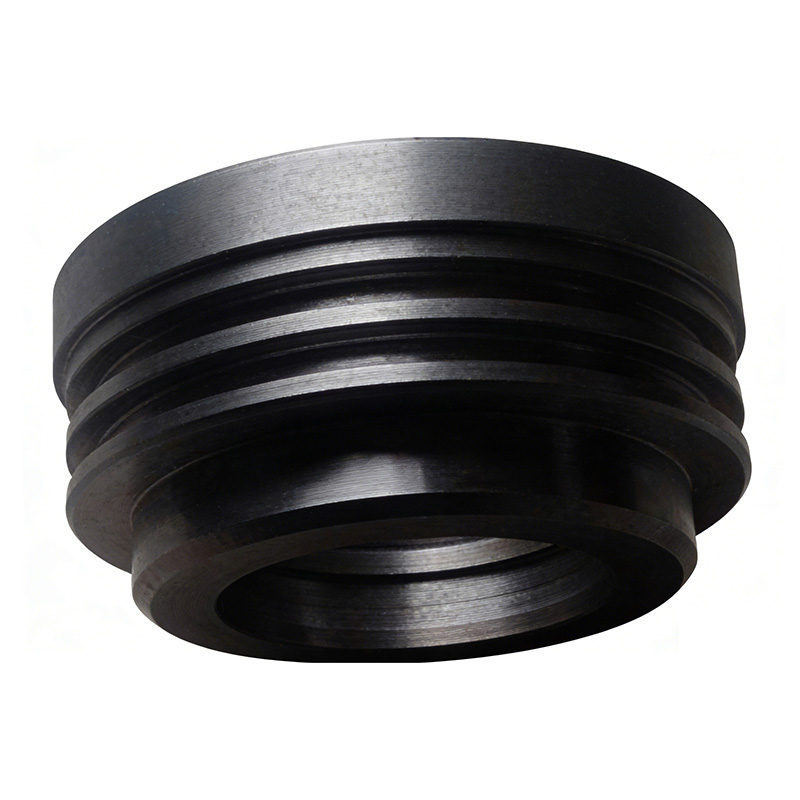
Machined parts refer to components produced by removing material from a solid workpiece using cutting tools. This subtractive manufacturing process shapes metals or plastics into precise geometries as specified by engineering designs. Unlike molding or casting, machining allows for intricate features and tight tolerances, making it ideal for critical applications such as hydraulic cylinder accessories.
Key Machining Processes
Turning: The workpiece rotates while a fixed cutting tool shapes cylindrical parts like shafts and rods.
Milling: A rotating cutter removes material from a stationary workpiece, perfect for slots, contours, and complex surfaces.
Drilling: Creates precise holes using drill bits, essential for mounting or fluid passages.
Grinding: Uses abrasive wheels to achieve smooth surface finishes and tight dimensional tolerances.
Electrical Discharge Machining (EDM): Employs electrical sparks to cut hard conductive materials or intricate shapes.
CNC Machining: Automation for Precision
Computer Numerical Control (CNC) machines automate these processes, following digital designs with exceptional repeatability and accuracy. CNC machining is particularly valuable for producing hydraulic cylinder accessories where consistency and performance are crucial.