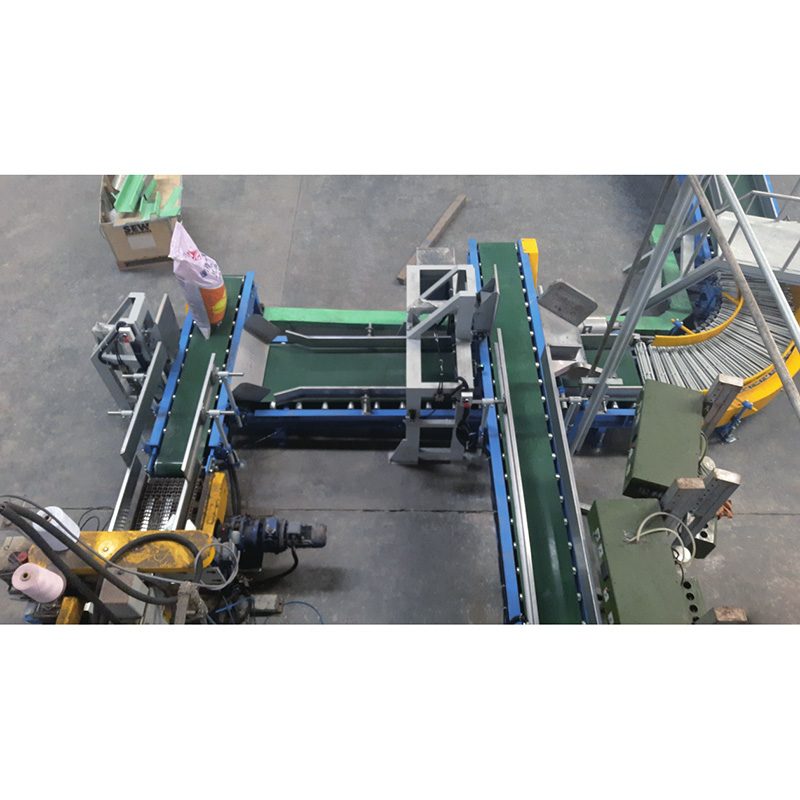
Grain Bagging Machine: An Efficient Packaging Solution For The Agriculture And Food Industry
In the field of agricultural production and food processing, grain packaging is a crucial link connecting production and circulation. Traditional manual packaging is not only inefficient (only tens of bags per hour) but also prone to grain waste due to weighing errors or moisture-induced spoilage caused by poor sealing. With the increasing demand for industrial scale and standardization, grain bagging machines, as automated packaging tools, have gradually become the core solution to address these pain points, widely used in bulk packaging scenarios for raw grains and processed foods.
Core Value of Grain Bagging Machines: Solving Three Major Industry Pain Points
The essence of a grain bagging machine is to replace manual operations through an automated process, directly addressing the three major shortcomings of traditional packaging:
1. Efficiency Improvement: Integrated operations of automated feeding, metering, and sealing can complete several to dozens of bags per minute, 5-10 times faster than manual labor. It is particularly suitable for farmers to batch-process wheat and corn during harvest seasons or for food factories to package rice, pasta, and other products on a large scale.
2. Precision Control: The built-in metering system can achieve a weight error of within ±1%, avoiding the problem of overfilling leading to cost losses and underfilling damaging reputation caused by manual weighing, thus reducing the waste of grain raw materials.
3. Quality Assurance: The sealing process uses heat sealing or stitching technology, which can effectively isolate air, moisture, and impurities, extending the shelf life of grains. For moisture-sensitive ingredients such as rice and flour, good sealing is directly related to the taste and safety of the end product.
Application Scenarios: Covering the Entire Chain from Raw Grain to Processed Food
The flexibility of grain bagging machines allows them to adapt to various scenarios:
- Agricultural End: Used for packaging raw grains such as wheat, corn, and rice after harvest, helping farmers quickly complete the harvest-bagging-storage process and reducing labor dependence.
- Processing End: Suitable for secondary packaging of refined grains such as rice and flour, as well as pre-processed foods such as pasta and instant porridge, meeting the standardized factory requirements of food enterprises.
- Circulation End: Providing small packaging solutions (such as 5kg and 10kg family packs) for wholesalers and retailers to improve product circulation efficiency.
Choosing the Right Grain Bagging Machine: 3 Practical Suggestions
For farmers or enterprises, selecting the appropriate equipment needs to consider their own needs and long-term costs:
- Production Matching: Small-scale farmers can choose small and lightweight models (100-300 bags per hour), while large food factories need high-speed mass production models (over 500 bags per hour).
Conclusion: The Inevitable Choice from Manual to Automated
For agricultural producers, grain bagging machines are tools to liberate hands and increase income; for food enterprises, they are core equipment to ensure quality and reduce costs. As the industry's requirements for efficiency and standardization increase, grain bagging machines have transformed from optional equipment to essential tools. Choosing a bagging machine that suits one's own needs is essentially buying efficiency and peace of mind for the long-term development of the business.
Whether handling harvested raw grains or packaging processed foods, grain bagging machines are making the process of grain from field to table more efficient and reliable through automation technology.