What Is A Recheck Weigher? A Key Weight Verification And Quality Control Device In Production And Packaging
In the production and packaging processes of industries such as food, pharmaceuticals, and daily necessities, have you ever encountered such troubles: products that are clearly filled according to standards are returned by customers due to minor weight differences? Or faced compliance penalties from regulatory authorities because batches of underweight products entered the market? The core of these problems often lies in the lack of an accurate and efficient goalkeeper for verifying product weight - the recheck weigher (also known as an online checkweigher). As a key equipment on the production line, recheck weighers are becoming an invisible shield for enterprises to ensure product quality and avoid risks.
I. Core Definition of Recheck Weighers: Weight Detectors for Dynamic Production Lines
A
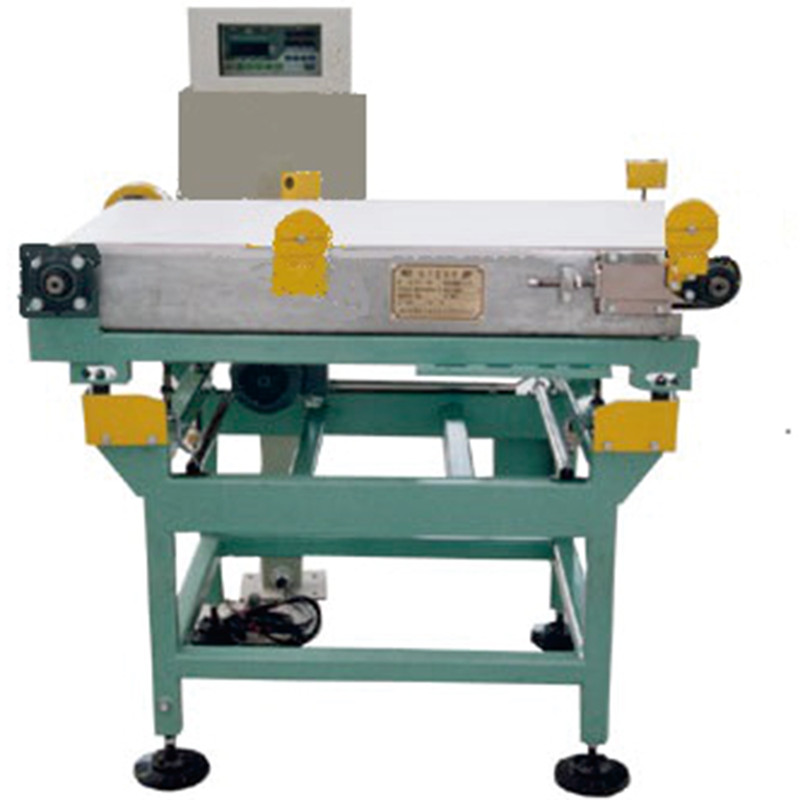
recheck weigher is a device specifically designed for weight inspection and product packaging verification. It is mainly used in production and packaging processes to real-time check whether the weight of packaged products meets predetermined specifications. Unlike traditional static weighing equipment, it can adapt to dynamic production lines (such as bottled or bagged products on assembly lines) and complete accurate measurements while products are moving. It is an important link connecting production and qualified factory release. Simply put, the role of a recheck weigher is to ensure that every product leaving the production line has a weight that is exactly as specified.
II. Why are Recheck Weighers a Must-Have for Production and Packaging?
In the manufacturing and packaging industries, the importance of recheck weighers goes far beyond that of a weighing tool; they solve two core pain points for enterprises:
1. Ensuring Quality Stability and Safeguarding Brand Reputation
Product weight is a direct perception of consistent quality by consumers. For example:
- In the food industry, a bag of potato chips labeled 500g that actually only weighs 490g may arouse consumers' suspicion of short weight;
- In the pharmaceutical industry, a 0.1g deviation in the filling amount of a capsule may affect efficacy or even cause safety issues.
Through high-precision detection, recheck weighers avoid these minor errors at the source, maintain stable product quality, and reduce the risk of customer complaints and returns.
2. Avoiding Compliance Risks and Preventing Regulatory Penalties
According to regulations such as the Metrology Law of the People's Republic of China and the Product Quality Law, the net content of products must conform to the marked value; otherwise, enterprises may face consequences such as fines, recalls, or suspension of business for rectification. The real-time monitoring of recheck weighers ensures that product weights meet national and industry standards, helping enterprises stay away from the compliance red line.
III. 7 Core Advantages of Recheck Weighers, Solving Practical Problems in Production
Recheck weighers have become a standard configuration on production lines due to their features designed to meet enterprise needs:
1. High Precision: Not Missing Minor Weight Differences
The measurement accuracy of recheck weighers can reach the milligram level (some equipment even higher), capable of detecting weight deviations that are invisible to the naked eye (such as a 0.5g difference). This means that even products with high sensitivity to weight, such as pharmaceuticals and health products, can achieve zero error verification.
2. Rapid Detection: Adapting to High-Speed Production Lines Without Slowing Efficiency
For enterprises with a daily output of tens of thousands of pieces, efficiency is the lifeline. Recheck weighers can detect at speeds of tens to hundreds of pieces per minute, fully adapting to the rhythm of high-speed production lines without slowing down the overall process. For example, the detection of a bottle of mineral water takes only 1-2 seconds, truly achieving dynamic weighing without deceleration.
3. Automated Integration: Reducing Human Errors and Lowering Costs
Recheck weighers can be seamlessly integrated with production lines, realizing a fully automated process of automatic feeding → weighing → judgment → sorting (rejecting defective products). No manual intervention is required, which not only reduces the risk of missed inspections in manual sampling but also lowers long-term labor costs.
4. Data Traceability: Easily Coping with Audits and Problem Troubleshooting
Recheck weighers automatically record weight data of each product (including time, batch, and production line number), forming a complete weight file. When quality problems arise later, enterprises can quickly trace them to specific links (e.g., the weight deviation of a certain batch of products originated from a filling equipment failure at 10 am), and it also facilitates responding to audits by customers or regulatory authorities.
5. Intelligent Alarm: Timely Stopping Losses and Avoiding Batch Defects
When abnormal weights (overweight/underweight) are detected, recheck weighers immediately trigger sound and light alarms, and can even automatically stop the production line or reject defective products. For example, if a batch of products suddenly becomes underweight, the recheck weigher can alarm within 10 seconds, preventing the next 1000 defective products from entering the next process and minimizing losses.
6. Multifunctional Expansion: One Device for Multi-Dimensional Quality Control
Some recheck weighers also integrate functions such as dimensional inspection and appearance recognition (e.g., checking for damaged packaging or missing labels), achieving dual verification of weight + appearance. Enterprises do not need to purchase additional equipment to complete more comprehensive quality control.
7. Compliance with Regulations: Aligning with International Standards for Global Application
Recheck weighers typically comply with international and industry standards such as ISO 9001 and GMP (Good Manufacturing Practice), meeting local regulatory requirements whether for domestic sales or export overseas, and avoiding export obstacles caused by equipment non-compliance.
IV. Common Application Scenarios of Recheck Weighers, Covering Multi-Industry Needs
Recheck weighers are highly versatile and applicable to almost all industries requiring packaged weight verification:
- Food and Beverage: Net content detection of snacks, beverages, and frozen foods;
- Pharmaceuticals and Health Products: Filling amount verification of capsules, tablets, and oral liquids;
- Daily Necessities: Bottled weight inspection of laundry detergent, shampoo, and cosmetics;
- Chemical Industry: Packaging weight control of coatings, adhesives, and other chemical products.
Conclusion: Recheck Weighers - An Invisible Helper for Enterprises to Reduce Costs and Increase Efficiency
From avoiding defective product losses to safeguarding brand reputation, from adapting to high-speed production lines to responding to regulatory audits, the value of recheck weighers has long gone beyond weighing itself. For enterprises pursuing high-quality development, it is not an additional expense but an investment for long-term returns - a recheck weigher can help enterprises reduce return costs, avoid fine risks, improve production efficiency, and ultimately translate into more stable profits and a more reliable brand image.
As the weight goalkeeper on the production line, recheck weighers are using technological strength to ensure that every product of the enterprise is qualified for factory release and that every consumer's choice is rest assured and reliable.