Machining Technology: Core Foundation And Future Development Trends Of Modern Manufacturing
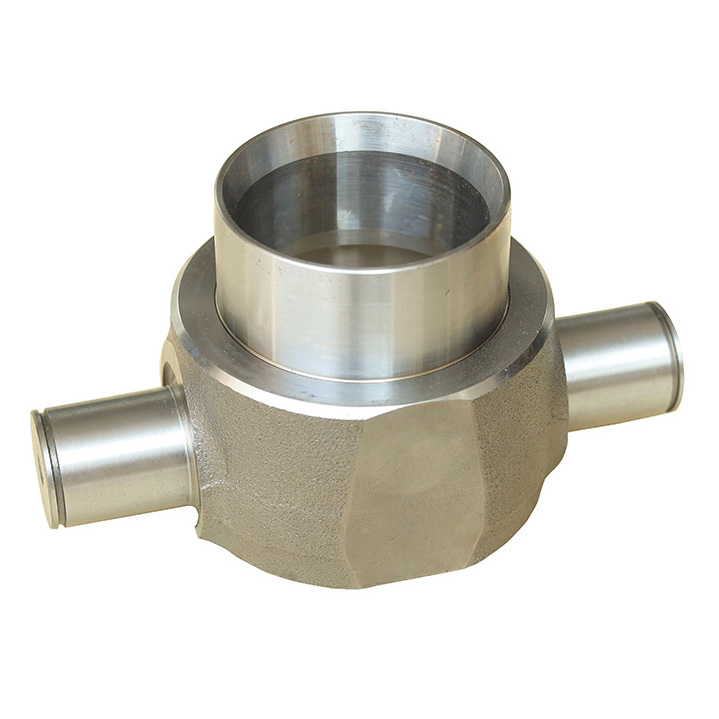
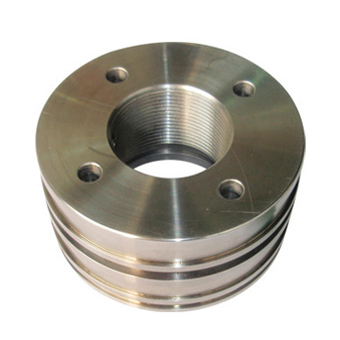
Machining is one of the most fundamental and core processes in modern manufacturing—through precise removal of excess material from workpieces, it achieves accurate control of shape and size. From daily automobile parts to high-end aerospace equipment, the manufacturing of almost all industrial products relies on machining technology. It has long been the bridge connecting design and finished products, and a crucial link in the industrial system for turning drawings into physical objects.
Five Core Directions of Machining Technology: Balancing Efficiency, Precision, and Environmental Protection
The iteration of machining technology has always focused on solving the core pain points of manufacturing. Currently, the five most industry-focused technical directions directly determine the efficiency, precision, and sustainability of machining:
1. High-Speed Cutting Technology: Exchanging Speed for Efficiency
High-speed cutting technology is key to improving mass production efficiency—through high-speed rotation of the tool (rotational speed is usually several times that of traditional cutting), cutting is completed in a shorter time, while reducing thermal deformation of the workpiece caused by friction, thereby simultaneously improving machining accuracy and surface quality. This technology is particularly suitable for mass production scenarios such as auto parts and home appliance casings, which can reduce the single-process time by 30% to 50% and effectively lower the enterprise's time costs.
2. Precision Machining Technology: Advancing to Micron-Level and Even Nanometer-Level
Precision machining technology focuses on ultimate precision—achieving precise control of workpiece dimensions through high-stability machine tools, high-precision cutting tools, and strictly controlled process parameters. From the surface smoothness of medical implants to the curved surface accuracy of aerospace engine turbine blades, products with zero tolerance for errors rely on precision machining technology to achieve no room for error. Today, precision machining has extended to the nanometer level, meeting the manufacturing needs of high-end electronic components such as chips and optical lenses.
3. CNC Machining Technology: The Brain of Automation and Intelligence
CNC (Computer Numerical Control) machining technology has enabled machining to bid farewell to pure manual operation—controlling machine tool movements through computer programming to achieve precise replication of cutting paths. Today, CNC machining is upgrading from automation to intelligence: combined with AI algorithms, machine tools can automatically optimize cutting parameters (such as rotational speed and feed rate) to adapt to workpieces of different materials; through digital twin technology, the machining process can also be simulated in advance to reduce trial cutting waste. This technology not only improves precision but also makes small-batch, personalized production possible.
4. Multi-Axis Machining Technology: Completing All Processes in One Clamping
Multi-axis machining technology is representative of process integration—integrating multiple machining methods such as turning, milling, drilling, and grinding into a single device to achieve completing all processes in one clamping. For example, processing complex aerospace engine turbine disks originally required 3 to 5 machine tools, but now with multi-axis machining, it can be completed with a single setup, not only reducing clamping errors but also saving more than 80% of process time, significantly improving production efficiency.
5. Green Manufacturing Technology: A Sustainable Compulsory Course for Manufacturing
With the upgrading of environmental protection requirements, machining is transforming towards green: adopting dry cutting technology to reduce the use of cutting fluid, achieving more than 90% recycling through cutting fluid recovery systems, and optimizing machining paths to reduce energy consumption... Green manufacturing can not only reduce enterprises' environmental protection costs but also align with the global dual carbon goals, and has become an industry standard for future machining.
Applications of Machining Technology: Penetrating Every Industrial Scene
From traditional manufacturing to high-end intelligent manufacturing, the applications of machining technology cover almost all industrial fields, with the four core scenarios including:
Automobile Manufacturing: Detail Contributors Determining Performance
Key parts of automobiles, such as engine blocks, transmission gears, and chassis suspension components, all require precise machining. For example, the clearance between the engine piston and cylinder liner needs to be controlled within tens of microns, and this precision directly affects the vehicle's power output and fuel economy—every cut of machining determines the performance and reliability of the car.
Aerospace: Precision Guarantee in Extreme Environments
Products such as turbine blades of aero-engines, wing structural parts, and satellite antenna brackets need to withstand extreme environments such as high temperature and high pressure. Machining technology can achieve precise cutting on difficult-to-machine materials such as aluminum alloys and titanium alloys, ensuring the strength and service life of parts—for example, the curved surface error of turbine blades needs to be controlled within 10 microns, otherwise, engine failure may occur.
Energy Sector: Wear-Resistant Role in Harsh Environments
Drill bits for oil extraction, gearboxes for wind power generation, and turbines for hydropower generation—these components of energy equipment need to have high strength and wear resistance. Machining can improve the wear resistance of parts through surface strengthening treatments (such as precision grinding and polishing), reducing wear in harsh environments and extending the service life of equipment.
Electronics Field: Precise Carving in the Micro World
Electronic components such as chip packaging casings, mobile phone metal middle frames, and optical lens barrels have extremely high precision requirements—for example, the pin pitch of chip packaging is only a few microns, which must be achieved through precision machining for accurate positioning. The precision of machining directly determines the compactness and performance of electronic devices.
The Future of Machining Technology: From Manufacturing to Intelligent Manufacturing
Standing at the forefront of Industry 4.0, machining technology is evolving towards more efficient, more precise, more intelligent, and more environmentally friendly:
- Precision Upgrade: Precision machining is moving towards the atomic level to meet the needs of cutting-edge technologies such as quantum chips and lidar;
- Intelligent Iteration: CNC systems are integrating AI and big data to achieve self-learning—machine tools can automatically optimize parameters based on past data, reducing manual intervention;
- Process Integration: Multi-axis machining is integrating emerging technologies such as 3D printing and laser cutting to achieve additive + subtractive hybrid machining;
- Green Popularization: Environmental protection processes such as ceramic cutting tools and liquid nitrogen cooling cutting will become industry standards, making the machining process more low-carbon.
Conclusion
Machining technology is not an outdated traditional process but an eternal cornerstone of manufacturing—it has witnessed the transformation from the steam age to the digital age and will continue to support future high-end intelligent manufacturing. For enterprises, mastering advanced machining technology means mastering the right to speak on product quality; for the industry, the innovation of machining technology is the engine of manufacturing upgrading.
In the future, when we see smarter cars, more advanced aircraft, and more compact electronic devices, there will definitely be the silent support of machining technology behind them—it has never stood in the spotlight, but it has always been the most solid backing of manufacturing.