Automatic Bagging Machine: Definition, Core Advantages, 2024 Buying Guide, And Supplier Recommendations
I. What is an Automatic Bagging Machine? Core Functions and Application Scenarios
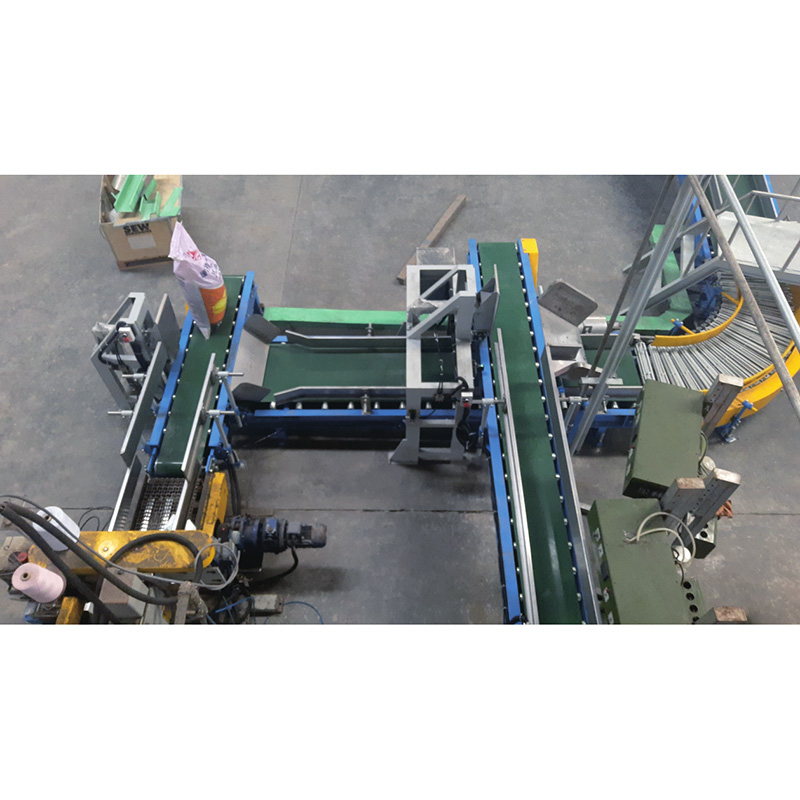
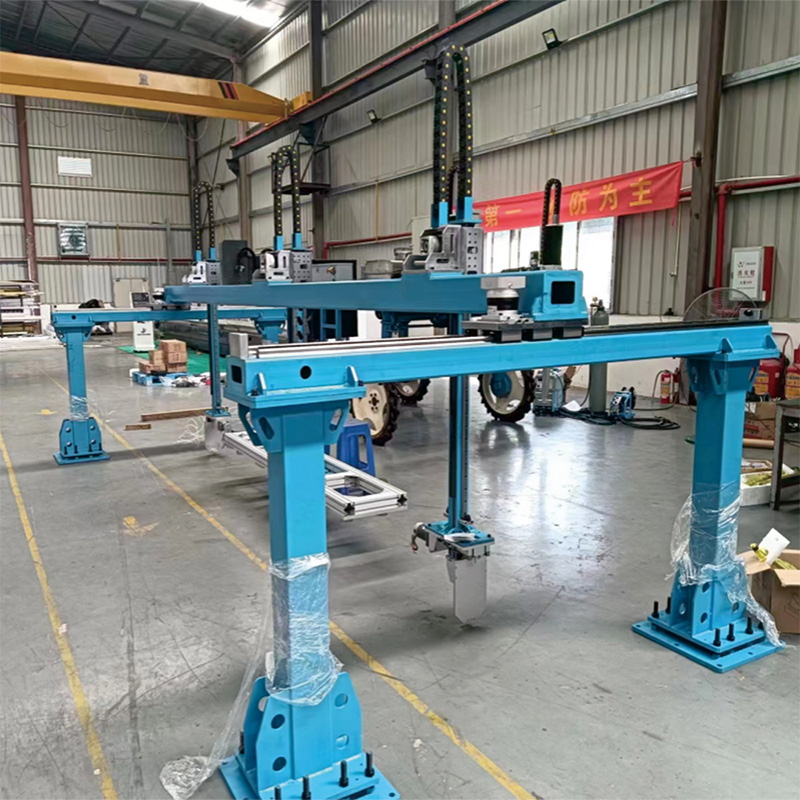
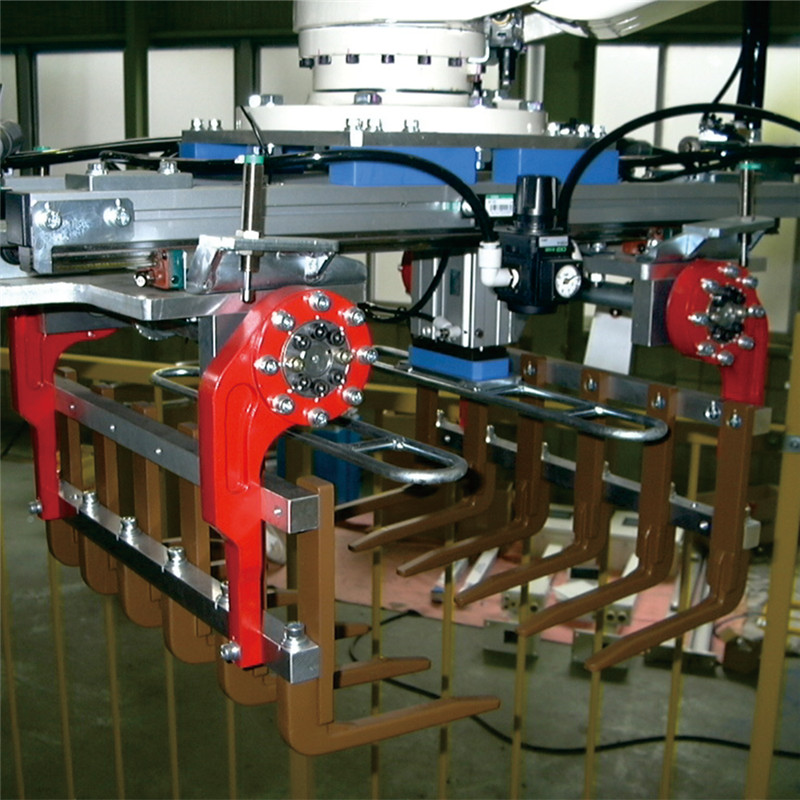
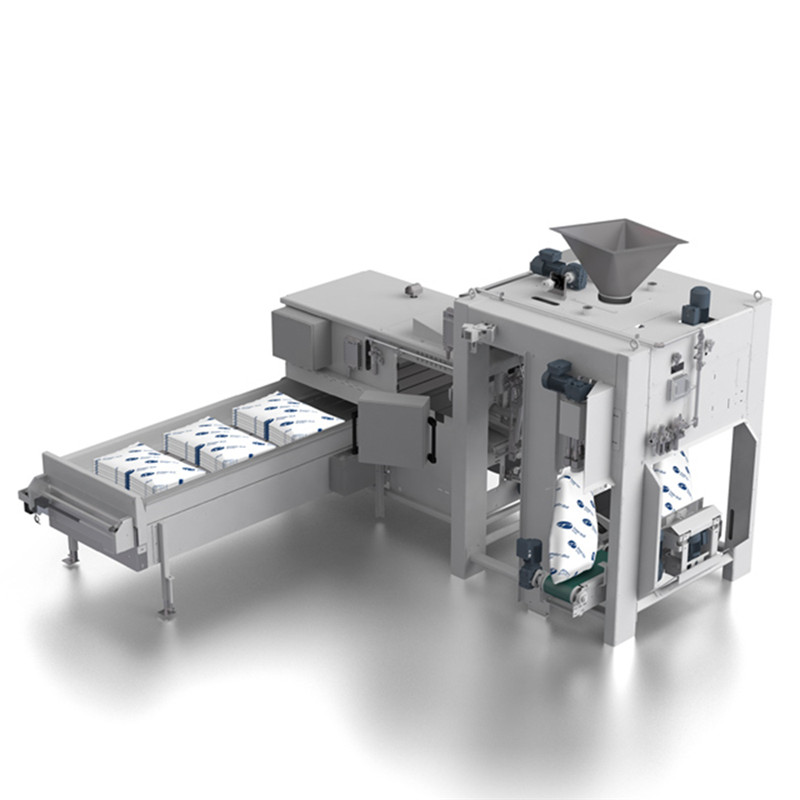
An automatic bagging machine is a device focused on automated material packaging. Its core role is to replace manual labor in the entire bagging process, widely used in industries such as food, pharmaceuticals, chemicals, and plant seeds. It can automatically complete four key steps: picking up the packaging bag → lifting it to a specified height → opening the bag's valve → accuratelying the valve onto the packaging machine's discharge nozzle, with no manual intervention throughout.
Whether for snack granules in the food industry, medicinal powders in the pharmaceutical industry, fertilizer raw materials in the chemical industry, or bulk packaging of plant seeds, automatic bagging machines address the pain points of manual bagging, such as slow speed, easy fatigue, and inaccurate bag alignment. They are key equipment for cost reduction and efficiency improvement in large-scale production.
II. Core Advantages of Automatic Bagging Machines: Why Should Enterprises Invest?
Compared to traditional manual or semi-automatic packaging, the value of
automatic bagging machines directly aligns with enterprises' core needs:
1. Efficiency Doubled: Can operate continuously 24 hours a day, avoiding efficiency fluctuations caused by manual rest and fatigue, significantly increasing packaging speed;
2. Reduced Labor Costs: One machine can replace multiple packaging workers, and the long-term labor savings far exceed the equipment investment itself;
3. Guaranteed Packaging Consistency: Mechanical precision controls each operation (picking, valve opening, nozzleing), avoiding issues like unopened valves and misaligned baging caused by human error, especially meeting the strict quality standards of the food and pharmaceutical industries;
4. Reduced Material Waste: Accurate baging prevents material spillage during manual operations, indirectly lowering production costs.
III. Automatic Bagging Machine Buying Guide: 2 Key Recommendations
1. Choose Equipment Based on Actual Production Needs to Avoid Blind Following
Before purchasing, clarify 3 core questions:
- Material Type: Is it powder (e.g., flour), granular (e.g., seeds)? Different materials have different requirements for the equipment's gripping force and valve opening method;
- Packaging Bag Specifications: Must match the valve bag commonly used by the enterprise (e.g., width, height) to avoid issues like bags not fitting or valves not aligning after purchase;
- Production Scale: If the daily packaging volume reaches over a thousand bags, choose a high-speed device; if the output is small, an economical one is sufficient to avoid over-investment.
2. Prioritize Quality-Certified Products and Calculate the Long-Term Account
Don't just focus on the initial price—some low-priced equipment may experience problems like bag jamming and inaccurate valve opening after 1-2 months, which can delay production. Equipment with national quality certifications (such as ISO certification, industry-specific certifications), although with a slightly higher initial investment, has low failure rates and a long service life. In the long run, maintenance costs + downtime losses are far lower than those of low-priced equipment, making it more cost-effective.
Final Reminder:
There is no one-size-fits-all answer to choosing an automatic bagging machine—whether selecting a general-purpose or industry-specific model, it is necessary to comprehensively consider material type, packaging scale, and budget. It is recommended to ask suppliers to provide a test service (testing with the enterprise's own materials and bags) before purchasing to confirm it meets requirements before placing an order.
Automatic bagging machines are key equipment for enterprises transitioning from manual packaging to automated production. Choosing the right equipment can help save labor, improve efficiency, and ensure quality. The above content is for reference only, and the specific selection still needs to be judged based on actual needs.