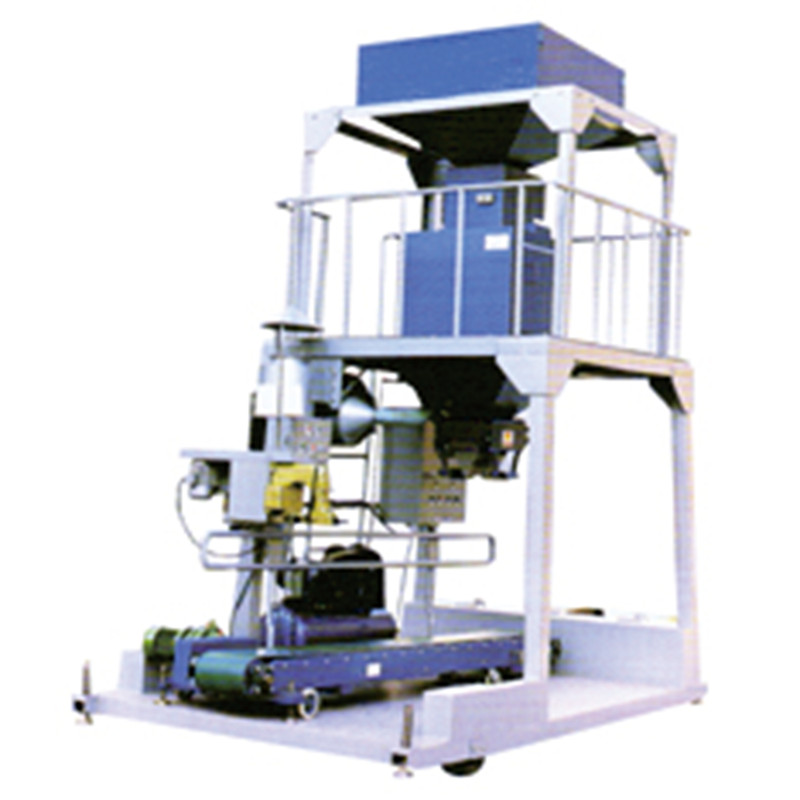
Recheck Weigher: Working Principle, Structural Composition And Industrial Application
A recheck weigher, also commonly known as a dynamic checkweigher, is a high-precision automatic weighing inspection device widely installed on industrial production lines. It is specially designed to recheck the net weight of finished or semi-finished products, screen out overweight and underweight non-conforming items, and ensure that all products meet standardized weight requirements.
As an essential quality control equipment in modern manufacturing, the recheck weigher effectively reduces production losses, avoids manual weighing errors, and improves the overall production consistency and compliance of finished goods.
1. Basic Working Principle
The
recheck weigher adopts dynamic gravity weighing technology. When products are continuously transported to the weighing platform by the conveyor belt, high-sensitivity load cells capture real-time weight signals. After digital filtering, signal amplification and data calculation, the system compares the measured weight with the preset qualified weight range. If the product weight exceeds the upper or lower tolerance limit, the system will automatically mark or reject the unqualified product through the elimination mechanism. In general, the weighing accuracy can reach ±0.1g to ±1g depending on different models, and the detection speed can meet the requirement of 20 to 300 products per minute.
2. Main Structural Composition
A standard industrial recheck weigher consists of four core modules. First, the feeding conveying section ensures stable and uniform product feeding to avoid overlapping materials. Second, the precision weighing section is equipped with high-precision load cells and anti-vibration structures to reduce external interference such as vibration and airflow. Third, the control and data processing unit records weighing data, stores production logs, and supports parameter setting and real-time monitoring. Fourth, the automatic rejection mechanism removes non-conforming products by means of air blowing, push rod or flap sorting without stopping the production line.
3. Key Performance Advantages
Compared with manual sampling inspection, the recheck weigher has obvious industrial advantages. It realizes 100% full inspection of all products instead of random sampling, greatly improving inspection coverage. The equipment features high measurement stability, strong anti-interference ability, and simple human-machine operation interface. In addition, it supports data statistics, weight grading and traceability management, which helps enterprises optimize raw material consumption and reduce material waste. Its compact structure, easy cleaning and low maintenance cost make it suitable for long-term continuous operation in harsh workshop environments.
4. Industrial Application Scenarios
Recheck weighers are widely applied in food, pharmaceutical, chemical, daily chemical, hardware and packaging industries. In the food and beverage industry, it detects insufficient filling of packaged snacks, beverages and canned goods. In the pharmaceutical industry, it ensures consistent weight of medicine bottles, capsules and medical supplies to meet pharmaceutical production standards. In hardware and mechanical industries, it is used to count accessories and eliminate missing parts. Meanwhile, it can be combined with metal detectors and labeling machines to form an integrated online quality inspection system.
5. Conclusion
As an indispensable automatic quality control device, the recheck weigher plays an important role in weight detection, product classification and production optimization. With the continuous upgrading of sensor technology and intelligent manufacturing, modern recheck weighers are developing toward higher precision, stronger intelligence and better compatibility. It will continue to help enterprises improve product qualification rate, control production costs, and achieve standardized and automated production management.