Comprehensive Analysis Of Copper Part Processing: In-depth Interpretation Of Methods, Applications, And Industry Value
Copper, one of the oldest metals used by humans, has become an indispensable basic material in modern industry due to its high electrical conductivity, excellent thermal conductivity, strong corrosion resistance, and good workability. Copper part processing is the core link in transforming copper materials into various practical components—from precision connectors in electronic devices to high-strength structural parts in aerospace, every copper part relies on professional processing technology. This article will deeply analyze the methods, applications, and industry value of copper part processing to help you fully understand this critical industrial process.
I. Basic Cognition of Copper Part Processing: From Copper Properties to Processing Essence
Copper part processing essentially involves changing the shape, surface state, or performance of copper materials through physical or chemical means to meet specific size, functional, or appearance requirements. The inherent properties of copper (such as an electrical conductivity of 58 MS/m and thermal conductivity of 401 W/(m·K)) determine the uniqueness of copper part processing: it must retain copper's core performance while endowing it with new functions (such as wear resistance and corrosion protection) through processing.
II. Core Methods of Copper Part Processing: Detailed Interpretation of 10 Processes in Three Categories
Copper part processing methods can be divided into forming processing, surface treatment, and precision processing, each with distinct application scenarios and advantages:
1. Forming Processing: Shaping the Framework of Copper Parts
Forming processing is the key step in transforming copper from raw material to semi-finished product, focusing on precise control of shape and size:
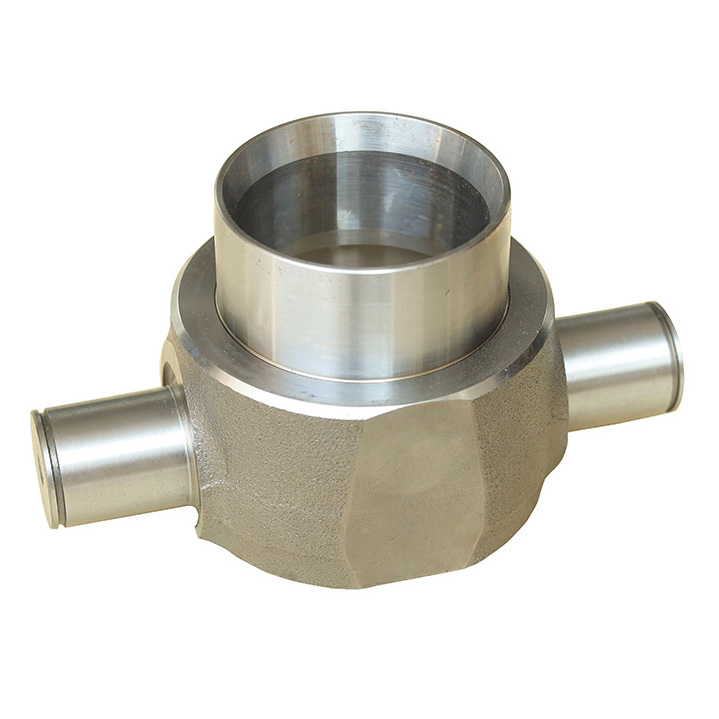
- Forging Processing: Using mechanical hammering or press force to cause plastic deformation of copper materials (permanently changing shape without fracture) to obtain the desired structure. This method improves the internal density and strength of copper parts, making it suitable for manufacturing high-pressure valves, copper alloy components for aerospace, and other products with high mechanical performance requirements.
- Casting Processing: Pouring molten copper into molds (such as sand molds or metal molds) and forming after cooling and solidification. It has low cost and high efficiency, and is commonly used in mass production of relatively simple copper parts such as pipe fittings and heat sinks.
- Die Casting Processing: Injecting copper liquid into precision molds under high-pressure environments (hundreds to thousands of bars) for rapid cooling and forming. It can achieve complex details (such as thin walls and bosses) with an accuracy of up to ±0.05mm, making it the main manufacturing method for precision copper parts in electronic devices and automotive components.
2. Surface Treatment: Enhancing the Protection and Aesthetics of Copper Parts
Surface treatment is a value-added step for copper parts, extending lifespan or enhancing functionality by changing surface properties:
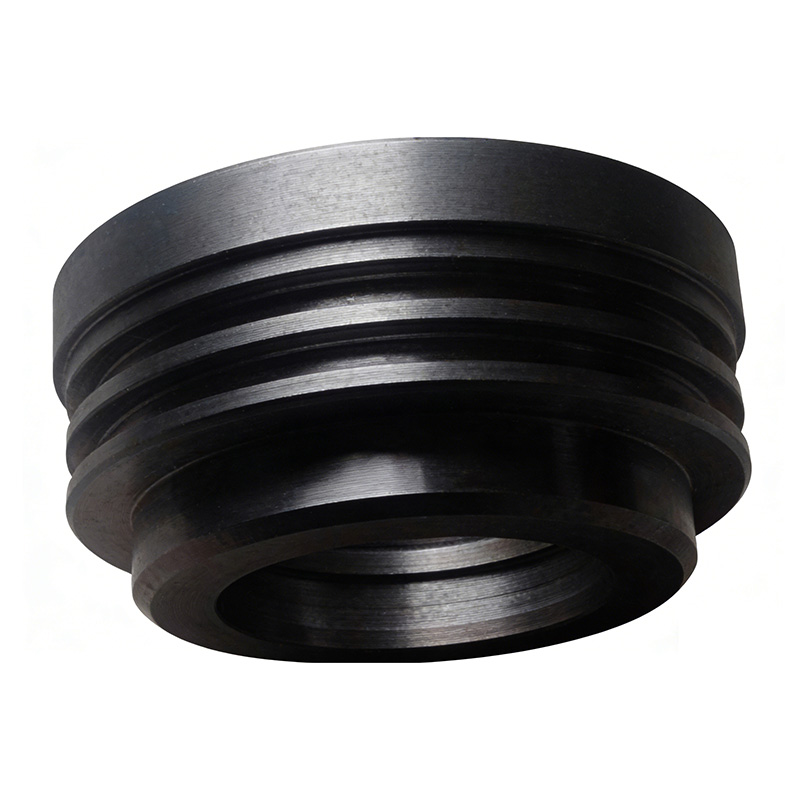
- Oxidation Treatment: Forming an oxide film (black or brown) on the copper surface through chemical or electrochemical methods to isolate air and moisture and prevent rust. It is commonly used in outdoor copper decorations and industrial valves.
- Electroplating Treatment: Placing copper parts in an electrolyte and depositing metals such as nickel and zinc on the surface through electric current. Electroplated copper parts are brighter and more corrosion-resistant, applied to decorative parts (such as door handles) or electronic connectors.
- PVD Treatment: Short for Physical Vapor Deposition, it deposits nitride films of titanium or zirconium on the copper surface through physical processes such as evaporation and sputtering in a vacuum environment. The film has high hardness and strong adhesion, improving wear resistance and high-temperature resistance, suitable for high-end watch cases and medical device parts.
3. Precision Processing: Polishing the Ultimate Precision of Copper Parts
Precision processing is the final step in upgrading copper parts from qualified to excellent, focusing on surface quality and dimensional accuracy:
- Polishing Treatment: Using grinding wheels or abrasives to remove surface scratches, reducing roughness to below Ra 0.01μm (mirror effect). It is commonly used in optical instruments, decorative artworks, and other products with extremely high requirements.
- Grinding Treatment: Using sandpaper or sanding belts to remove burrs, flash, or surface defects, ensuring part dimensional accuracy and edge smoothness. It is an essential step for precision mechanical parts (such as gears and bearings).
- Wire Drawing Treatment: Drawing copper materials through a wire drawing die into uniform copper wires with a conductivity of up to 99.9%, which are core raw materials for wires, cables, and motor windings.
- Sandblasting Treatment: Spraying the copper surface with high-speed abrasives (such as quartz sand) to remove oxide scales and oil stains, while forming a rough texture for pre-treatment before electroplating or painting.
- Welding Treatment: Connecting copper parts into a whole by heating (such as argon arc welding) or filling metal (such as brazing). Temperature must be controlled to avoid copper oxidation, commonly used in the assembly of precision electronic components or mechanical structures.
III. Industry Applications of Copper Part Processing: Covering Four Core Fields
The value of copper parts is ultimately reflected in the actual needs of various industries:
- Electronics Industry: Copper's high conductivity supports signal transmission in connectors, circuit boards, and motor windings, serving as the nerve center of electronic devices.
- Aerospace Industry: Copper's low density (30% lighter than steel) and low-temperature resistance are used in cooling systems and hydraulic pipelines, reducing equipment weight while ensuring reliability.
- Automotive Industry: Copper parts in radiators, wire harnesses, and braking systems use thermal conductivity to improve engine heat dissipation efficiency and ensure driving safety.
- Medical Industry: Copper parts in surgical instruments and imaging equipment are conductive, thermally conductive, and have natural antibacterial properties (inhibiting bacterial growth), meeting medical environment requirements.
IV. Industry Value of Copper Part Processing: Why It Becomes a Key Link in High-end Manufacturing
Copper part processing is not simply shaping but precise alignment between copper material properties and industrial needs:
- Die casting technology enables copper parts to achieve complex structures + high precision, supporting the miniaturization of electronic devices;
- PVD treatment gives copper parts high wear resistance + high aesthetics, adapting to the upgrading of high-end consumer goods;
- Wire drawing technology turns copper materials into conductive filaments, ensuring efficient transmission in power systems.
With the development of new energy, 5G, aerospace, and other industries, the requirements for copper part processing (such as thinner wall thickness and higher precision) continue to increase. What remains unchanged is that it has always been the bridge connecting copper materials and industrial applications, supporting the efficient operation of modern industry.
Copper part processing is both a technology and an art of balance—finding the optimal solution between retaining copper's core performance and meeting industrial needs. Whether it is daily-used wires or precision components in high-end equipment, copper part processing plays an irreplaceable role quietly.