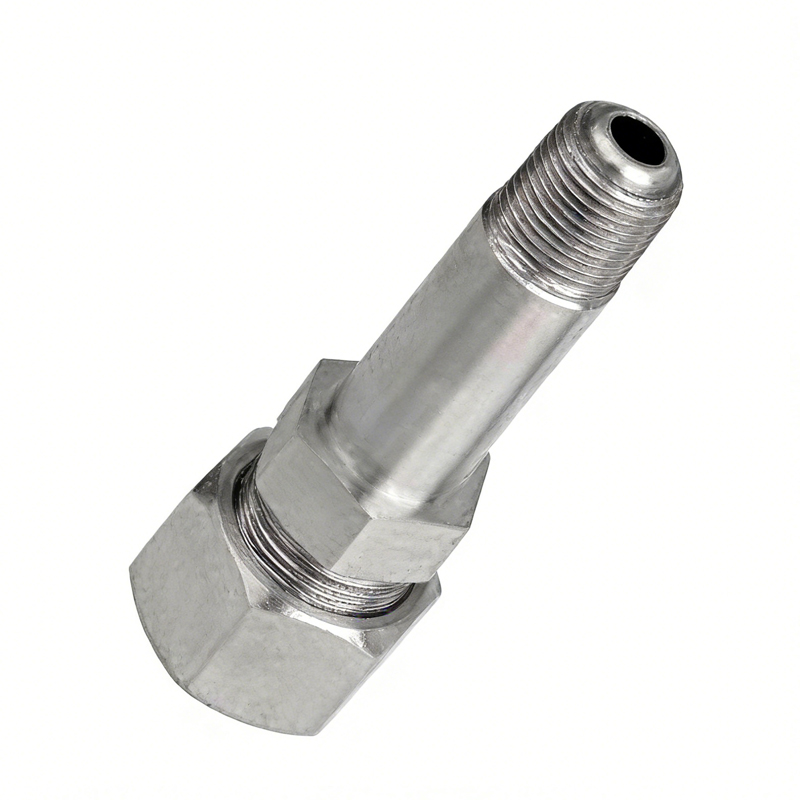
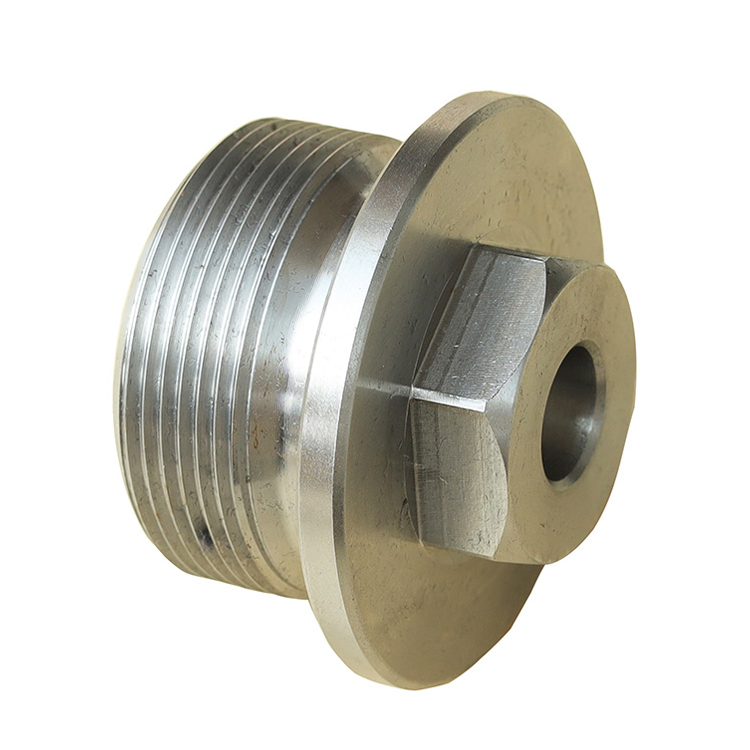
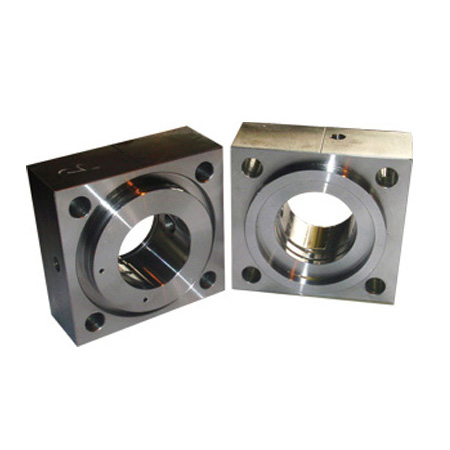
Comprehensive Analysis Of Aluminum Parts Processing: Definition, Process Flow, Application Fields, And Manufacturer Selection Guide
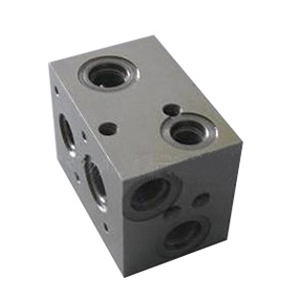
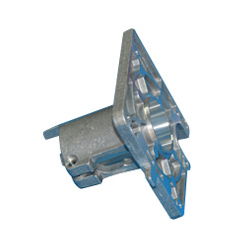
Aluminum parts processing is a key technology supporting the development of multiple industries in modern manufacturing. It refers to the transformation of aluminum materials into components that meet specific size, shape, and performance requirements through technical means such as cutting, forming, and surface treatment. With the core advantages of high precision, uniform structure, stable mechanical properties, and controllable production costs, aluminum parts processing has deeply penetrated into dozens of fields such as electronic information, medical devices, automobiles, aerospace, etc., becoming the basic building block of lightweight and high-precision products.
I. Core Value of Aluminum Parts Processing: Why Choose Aluminum?
Aluminum itself has natural properties such as light weight (density is only 1/3 of steel), excellent thermal and electrical conductivity, and corrosion resistance. Aluminum parts processing further amplifies these advantages through process optimization:
- Precision control: It can achieve dimensional tolerances of ±0.01mm, meeting the assembly requirements of precision parts (such as medical device components and aerospace structural parts);
- Uniform structure: The internal defects of the material are eliminated through casting and extrusion processes to ensure uniform force on the parts and avoid fracture or deformation;
- Cost advantage: The price of aluminum materials is relatively stable, and the processing efficiency is high (for example, extrusion can produce several meters of profiles per minute), reducing the comprehensive cost of mass production.
II. Aluminum Alloy Processing Process: 5-Step Logic from Aluminum Ingot to Finished Product
The essence of aluminum alloy processing is material modification + shape shaping + performance improvement. The core process revolves around raw material preparation - forming - finishing - functional enhancement, as follows:
1. Casting: Creating a Uniform Raw Material Base
Aluminum ingots and alloying elements such as magnesium and silicon are put into a melting furnace in proportion and melted into a uniformly composed aluminum liquid at a high temperature of about 700°C. Then, the aluminum liquid is converted into aluminum rods of different diameters through casting processes (such as continuous casting and rolling) — this step is the basis for subsequent processing, and the uniformity of the composition of the aluminum rod directly determines whether the part will have defects such as cracks and bubbles.
2. Extrusion: Shaping the Initial Shape of the Part
According to the cross-sectional design of the final part (such as pipes, profiles, complex structural parts), a corresponding die is selected, and the aluminum rod heated to 400-500°C is pressed into the die through an extruder to form the required profile. The advantage of the extrusion process is efficient forming of complex shapes (such as aluminum profiles for automobile chassis), while maintaining the mechanical properties of the material (such as tensile strength up to 300MPa or more).
3. Straightening: Key Step to Ensure Precision
The extruded profile will bend slightly due to the release of internal stress and needs to be adjusted for straightness through a straightening machine (mechanical or hydraulic). For example, aluminum profiles used in electronic equipment require a straightness error of ≤0.1mm/m, and the straightening process directly affects the fit of subsequent assembly.
4. Surface Treatment: Enhancing Performance and Aesthetics
The most common process is anodizing: an oxide film of 5-20μm is formed on the surface of aluminum parts through electrochemical reaction, which can not only improve the corrosion resistance by 5-10 times (suitable for outdoor or humid environments), but also achieve appearance effects such as silver and black through dyeing. Some high-end applications (such as mobile phone middle frames) will additionally adopt sandblasting + polishing processes to further improve the surface texture.
5. Auxiliary Processing: Realizing the Final Function of the Part
Depending on the part requirements, additional steps such as cutting (cutting profiles to specified lengths), drilling (processing mounting holes), stamping (forming sheet metal parts), or precision machine tool processing (such as CNC milling of complex contours) are required. For example, aluminum brackets used in aerospace need to be processed with curved features through five-axis machine tools to ensure precise coordination with other components.
III. Selection of Aluminum Parts Processing Manufacturers: 3 Pit Avoidance Points
When choosing an aluminum parts processing manufacturer, it is necessary to avoid the misunderstanding of only looking at price and focus on the following 3 dimensions:
1. Processing Capacity: Matching Requirements is the Core
- If complex parts need to be processed (such as curved drone frames): Check whether the manufacturer has CNC machining centers, five-axis machine tools and other equipment;
- If mass production is required (such as auto parts): Confirm whether the extrusion machine tonnage and number of production lines can meet the delivery cycle;
- If high-precision parts are needed (such as aluminum casings for medical devices): Ask whether the accuracy of their testing equipment (such as coordinate measuring machines) covers your requirements.
2. Technical Level: Process Accumulation Determines the Upper Limit
- Look at past cases: Whether similar parts have been provided to customers in the same industry (such as whether they have made aluminum parts for aerospace);
- Ask about process solutions: For your part pain points (such as thin-walled parts are easy to deform), can the manufacturer propose countermeasures (such as low-temperature processing, step-by-step forming);
- Check the technical team: Whether there are senior process engineers who can solve sudden problems in processing.
3. Quality Management: Details Determine Reliability
- Look at system certification: Whether it has passed quality systems such as ISO 9001 and IATF 16949 (automotive industry);
- Ask about inspection process: Whether there is a full-link inspection link from raw materials (aluminum ingot composition testing) to finished products (size and surface performance testing);
- Check after-sales support: If quality problems occur, can the manufacturer rework or compensate in a timely manner.
Conclusion
From aluminum middle frames in mobile phones to structural parts in aerospace, the quality of aluminum parts processing directly affects the performance and reliability of end products. By understanding its process flow, clarifying their own needs, and selecting the right cooperative manufacturer, enterprises can take the lead in the trend of lightweight and high precision — after all, good aluminum parts processing is the invisible cornerstone of product competitiveness.