Casting Vs Forging Vs CNC Machining — Decision Framework For Custom Components
What Is the Core Difference Between the Three Processes?
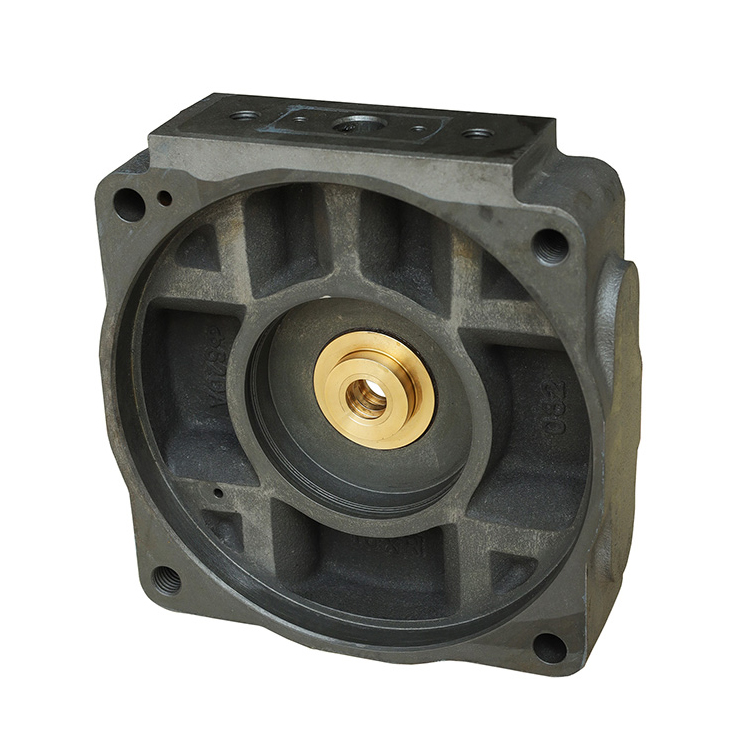
Casting pours molten metal into a mold and lets it solidify; forging deforms solid metal under compressive force;
CNC machining removes material from a solid blank with a cutting tool. Each process produces a different microstructure and a different range of geometries.
|
Property |
Casting |
Forging |
CNC Machining |
|
Material state |
Molten → solid |
Solid, plastic-deformed |
Solid, cut to shape |
|
Microstructure |
As-cast grains, possible porosity |
Refined grain flow following part contour |
Cut from bar/forging/casting microstructure |
|
Mechanical strength |
Baseline |
+20–40% over casting (grain flow) |
Same as starting stock |
|
Best geometry |
Complex 3D shapes, internal cavities |
Simple-to-moderate shapes |
Any machinable geometry |
|
Typical tolerance |
±0.5–2 mm (as-cast); ±0.1–0.3 mm (machined) |
±0.5–1 mm (as-forged); ±0.05–0.2 mm (machined) |
±0.01–0.1 mm |
|
Minimum batch size |
50–500 (tooling cost recovery) |
100–1000 (die cost recovery) |
1 (no tooling required) |
|
Typical lead time |
6–12 weeks (tooling + first batch) |
6–10 weeks (tooling + first batch) |
1–4 weeks |
The processes are not mutually exclusive: a cast or forged blank is often CNC-machined to add precision features that the primary process cannot achieve.
When Is Casting the Right Choice?
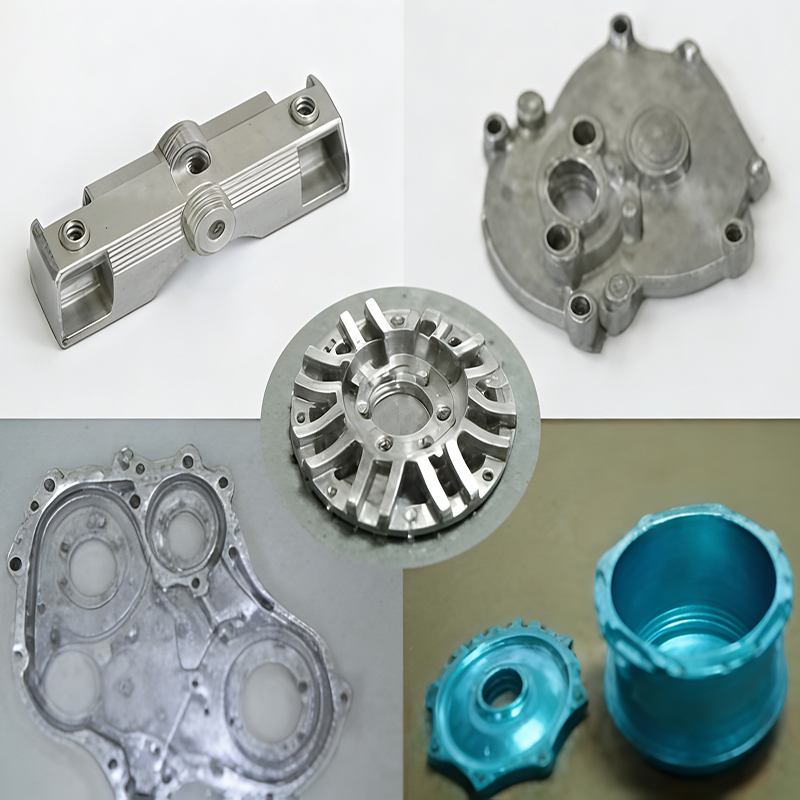
Casting is the right choice when the part has a complex 3D shape that cannot be forged or machined economically, when the batch size is large enough to amortize the tooling, and when the mechanical requirements can be met with as-cast properties. Sand casting, investment casting, and die casting cover most engineering applications.
|
Casting process |
Typical materials |
Typical batch |
Surface finish (as-cast) |
|
Sand casting |
Cast iron, carbon steel, alloy steel, bronze, aluminum |
50–5000 |
Ra 6.3–25 μm |
|
Investment casting (lost-wax) |
Carbon steel, stainless steel, alloy steel, superalloys |
100–10000 |
Ra 1.6–6.3 μm |
|
Die casting (high-pressure) |
Aluminum, zinc, magnesium |
1000–1000000 |
Ra 0.8–3.2 μm |
|
Centrifugal casting |
Cast iron, stainless steel, bronze |
100–5000 |
Ra 3.2–12.5 μm |
Casting's strength is shape complexity: internal cavities, curved surfaces, and integrated features that would require assembly if machined. The trade-off is the need to machine critical surfaces afterward to achieve the final tolerance. Chuangling Machinery's Casting capability covers sand and investment casting with in-house machining for finish operations.
When Is Forging the Right Choice?
Forging is the right choice when the part is safety-critical, load-bearing, and benefits from a refined grain-flow microstructure that follows the part's contour. Open-die forging, closed-die forging, and ring-rolling cover most engineering applications.
|
Forging process |
Typical materials |
Typical weight |
Typical batch |
|
Open-die forging |
Carbon steel, alloy steel, stainless steel, titanium |
1 kg–500 tonnes |
10–500 |
|
Closed-die forging |
Carbon steel, alloy steel, aluminum, brass |
0.1 kg–50 kg |
500–100000 |
|
Ring rolling |
Carbon steel, alloy steel, stainless steel |
1 kg–10 tonnes |
100–5000 |
|
Cold heading |
Carbon steel, stainless steel, aluminum, copper |
0.01 kg–5 kg |
5000+ |
Forging's strength is mechanical performance: grain flow aligned with the principal stress direction yields 20–40% higher fatigue life than an equivalent cast or machined part. The trade-off is the higher tooling cost and the limited geometric complexity compared with casting. Chuangling Machinery's Forging capability covers closed-die forging with pre-machining and finish-machining services.
When Is CNC Machining the Right Choice?
CNC machining is the right choice when the batch size is small (prototype to a few hundred pieces), when the tolerances are tight, when the geometry is straightforward, or when the part is made from bar stock or plate. Machining is the most flexible process.
Typical scenarios for CNC-only parts:
Prototypes and pre-production samples (1–50 pieces).
Low-volume production (50–500 pieces) where tooling cost is not justified.
Tight-tolerance features (±0.01 mm or better).
Parts with simple geometry that can be cut from standard bar stock.
Replacement parts for legacy equipment.
The trade-off is material waste: CNC machining produces chips, and the buy-to-fly ratio (input stock weight to final part weight) can be 3:1 to 10:1. For high-volume production, casting or forging is almost always more economical. Chuangling's CNC Milling and CNC Turning services cover the full machining range.
How Is the Decision Made?
The decision is made by comparing four factors: geometry complexity, mechanical requirements, batch size, and cost target — and matching the strongest factor to the most appropriate process. No single factor decides; the trade-off between them does.