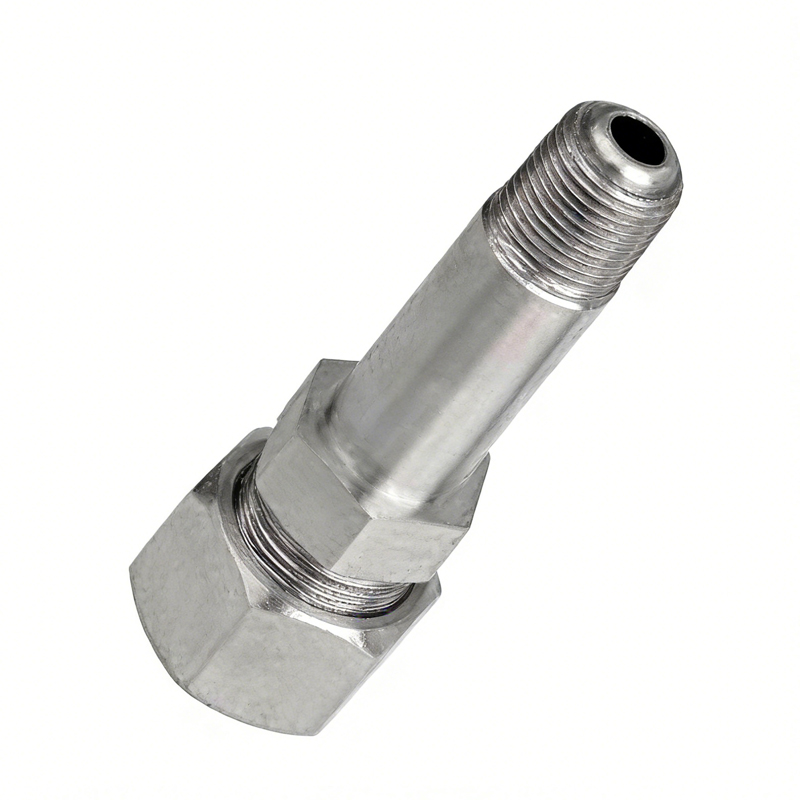
CNC Machined Copper & Aluminium Parts: Premium Precision Components For Modern Industries
CNC machined copper and aluminium parts stand as two of the most widely used precision metal components in modern manufacturing, renowned for their unique physical properties, exceptional machinability, and versatile functional performance. As industrial manufacturing continues to pursue high precision, high efficiency, and long-term reliability, custom CNC machining of copper and aluminium components has become an indispensable solution for countless high-tech and traditional sectors. Manufacturers leverage advanced CNC milling, turning, and precision processing technologies to transform raw copper and aluminium materials into tailored parts that meet strict dimensional tolerances, surface finish standards, and application-specific operational requirements.
Core Advantages of CNC Machined Aluminium Parts
Aluminium has firmly established itself as a foundational material for industrial component manufacturing, driving technological progress across automotive, aerospace, electronics, construction, and renewable energy industries. The most prominent feature of CNC machined aluminium parts is their outstanding strength-to-weight ratio. Boasting only one-third the density of steel while maintaining impressive structural rigidity, aluminium components effectively reduce overall equipment and vehicle weight without compromising structural stability.
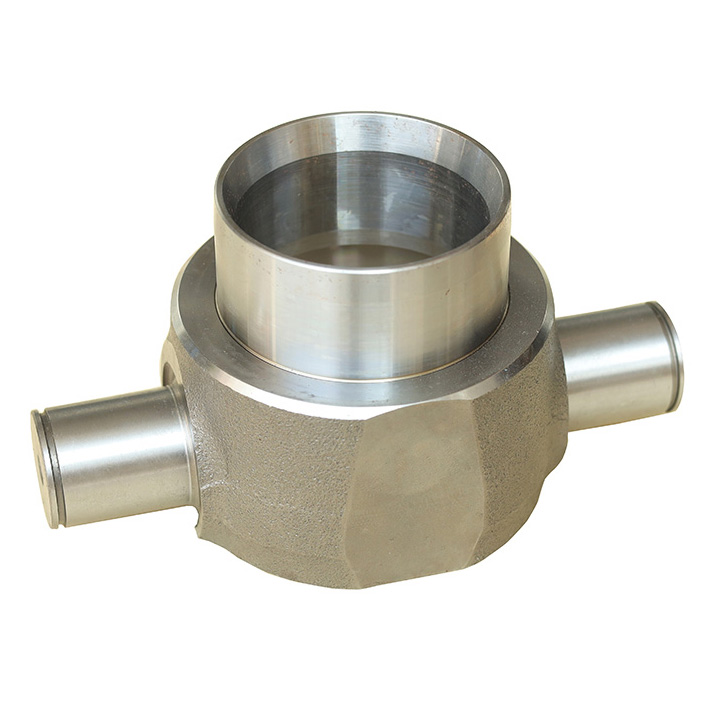
Beyond lightweight performance,
CNC machined aluminium parts deliver excellent corrosion resistance, natural ductility, and superior thermal conductivity. These properties make aluminium ideal for complex structural components and heat dissipation parts. Modern CNC machining processes further amplify the value of aluminium materials, enabling high-speed material removal, stable chip control, and low tool wear during production. The finished aluminium parts feature smooth surface finishes, precise dimensional accuracy, and consistent batch stability, fully complying with the stringent precision, durability, and reliability standards of high-end industrial applications.
Additionally, aluminium supports diverse post-processing treatments including anodizing, powder coating, polishing, and chemical passivation. These treatments enhance the surface hardness, wear resistance, and aesthetic performance of CNC machined aluminium parts, allowing them to adapt to complex working environments ranging from extreme high temperatures to humid and corrosive conditions.
Unique Performance and Industrial Value of CNC Machined Copper Parts
While aluminium dominates lightweight structural applications, CNC machined copper parts excel in scenarios requiring superior electrical and thermal conductivity. Copper features ultra-high thermal and electrical conductivity, far surpassing most common industrial metals, making it the preferred material for conductive and heat-management components. Pure copper also exhibits excellent ductility and malleability, enabling CNC machines to process intricate, ultra-fine structural designs that are difficult to achieve with other metal materials.
CNC precision machining effectively addresses the processing challenges of soft copper materials, including stringy chips, tool adhesion, and surface smearing. Through optimized cutting parameters, professional tool selection, and precise coolant control, manufacturers produce high-precision copper parts with tight tolerances and flawless surface finishes. Common CNC machined copper components include electrical connectors, conductive terminals, RF accessories, heat sink cores, and precision mechanical contacts, which are widely applied in power electronics, communication equipment, new energy devices, and industrial control systems.
In terms of operational performance, CNC machined copper parts deliver stable conductive transmission, efficient heat dissipation, and excellent fatigue resistance. Their long service life and low failure rate make them critical core components for high-precision electrical and thermal management systems, ensuring the safe and efficient operation of sophisticated industrial equipment.
Key CNC Machining Characteristics for Copper and Aluminium Components
Copper and aluminium exhibit distinct machining characteristics, requiring targeted CNC process optimization to maximize material performance. Aluminium boasts superior machinability, supporting high-speed CNC cutting and efficient mass production. Its stable chip breaking performance reduces processing defects, enabling fast production of standard and custom parts with consistent quality. This advantage makes CNC aluminium machining highly cost-effective for large-batch industrial production projects.
Copper machining demands higher technical precision and process control. Due to its soft texture and strong adhesion, copper is prone to built-up edge and burrs during cutting. Professional CNC machining factories adopt polished or diamond-coated cutting tools and refined processing parameters to eliminate surface defects, ensuring ultra-smooth finishes and accurate dimensional consistency for copper parts. Though copper machining involves more complex processes and higher costs, its unique conductive and thermal properties are irreplaceable in professional industrial applications.
Wide-Ranging Industrial Applications of CNC Machined Copper & Aluminium Parts
In the automotive industry, CNC machined aluminium parts are extensively used in vehicle body structural components, engine accessories, suspension parts, and lightweight chassis components, helping reduce vehicle energy consumption and improve driving stability. CNC copper parts serve as core conductive components for automotive battery systems, wiring terminals, and new energy vehicle heat dissipation modules, supporting the stable operation of electric drive systems.
The aerospace and aviation sectors rely heavily on high-precision CNC aluminium components for aircraft structural parts, instrument shells, and aerospace heat-resistant parts, leveraging the material’s lightweight and high-strength properties to meet extreme aviation operating standards. CNC machined copper parts are applied in aerospace communication equipment and precision electronic control systems, providing reliable conductive and heat dissipation performance for sophisticated aviation devices.
In electronics and electrical manufacturing, both CNC copper and aluminium parts play vital roles. Aluminium heat sinks, equipment shells, and structural brackets ensure electronic device heat dissipation and structural stability. Copper conductive parts, precision terminals, and RF components guarantee efficient signal transmission and stable electrical connection for precision electronic equipment.
The renewable energy and construction industries also benefit greatly from these CNC machined components. Aluminium structural parts are widely used in solar energy equipment frames, wind power component brackets, and building curtain wall structural parts due to their lightweight, corrosion-resistant, and easy-processing features. Copper conductive components are key to new energy power generation and energy storage systems, improving energy conversion and transmission efficiency.