Aluminum-Copper Components: Lightweight & High-Performance Industrial Core Parts
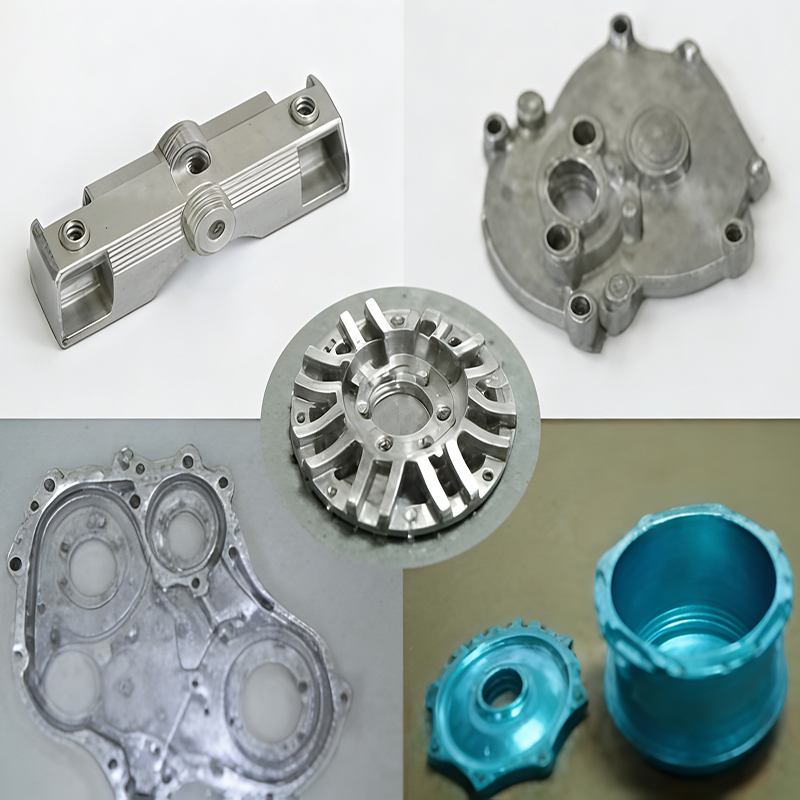
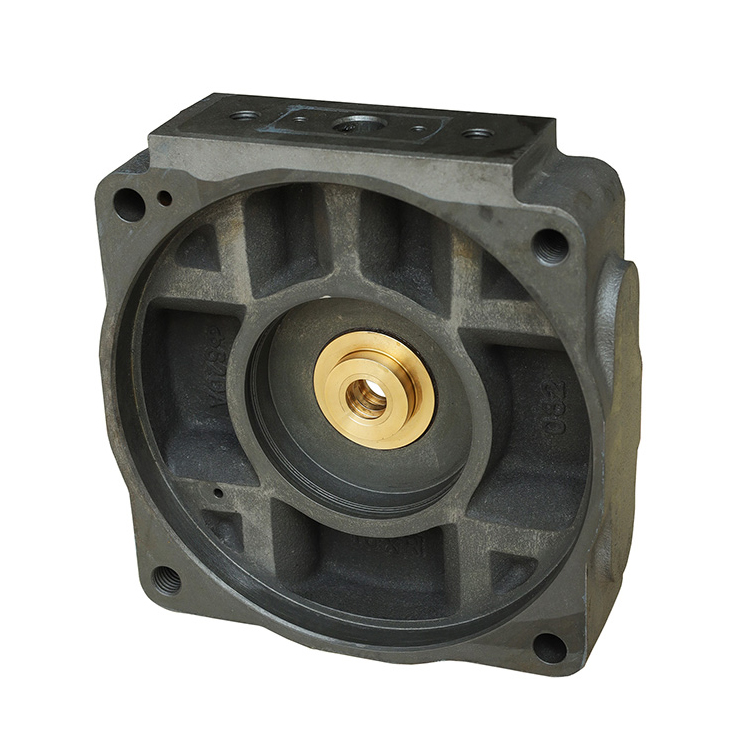
In modern manufacturing, aluminum-copper components stand out by merging aluminum’s lightweight, machinable features with copper’s high strength, conductivity and wear resistance. They are pivotal in aerospace, automotive, electronics and precision machinery, driving high-end equipment upgrades.
These components fall into two main types: aluminum-copper alloy components and copper-aluminum composite components.
Aluminum-copper alloy components belong to the 2000-series aluminum alloys, with 2024 and 2014 as typical grades. Copper (3%–5%) enables age-hardening, forming strengthening phases that boost tensile strength to 480 MPa while keeping density at 2.78 g/cm³ (1/3 of steel). Ideal for weight-sensitive, high-stress scenarios, they are used in aircraft wing spars, landing gear and fuselage frames, cutting aircraft weight and improving fuel efficiency. In automotive engineering, they serve as engine pistons and connecting rods, enhancing durability. Aluminum bronze alloys (copper-based, 5%–11% aluminum) offer excellent corrosion and wear resistance, suitable for valves, gears and bearings in harsh environments.
Copper-aluminum composite components bond the two metals via explosive welding, hot rolling or vacuum brazing, preserving their intrinsic properties. A classic example is copper-aluminum composite busbars: aluminum cores reduce cost and weight, while copper cladding ensures high conductivity and corrosion resistance. They are widely applied in new energy vehicle power systems and industrial switchgear. Copper-aluminum composite heat sinks use copper for heat absorption and aluminum for fast heat release, optimizing cooling for high-power inverters and LED devices.
Boasting strong process adaptability, these components meet strict industrial standards for size, precision and batch production. Both metals are highly recyclable, aligning with green manufacturing trends. As new energy and high-end equipment sectors grow, aluminum-copper components will expand their application scope, playing a critical role in industrial intelligence and sustainability.
◇◇ Related content ◇◇
- Gross Weight Scale Packaging Machine: Principle, Features And Applications
- Bulk Blending Fertilizer Packing Machine | Dynamic Weighing & Dosing System
- Recheck Weigher: Working Principle, Structural Composition And Industrial Application
- Comprehensive Analysis Of Gear Machining Application Scenarios: Why It Is A Core Process In Multiple Industries?
- What Is Milling Machining? A Comprehensive Guide To Principles, Types, Applications, And Selection
- Automatic Palletizer: An Efficiency Upgrade Tool For Modern Production Lines - A Comprehensive Analysis From Functions To Selection
- Comprehensive Analysis Of CNC Machining: From Principles To Applications, Mastering The Core Technology Of Modern Manufacturing
- What Is Grinding? A Detailed Explanation Of Its Principles, Processes, Applications, Advantages, And Disadvantages
- Lathe Machining: An Indispensable Basic Link In Mechanical Processing