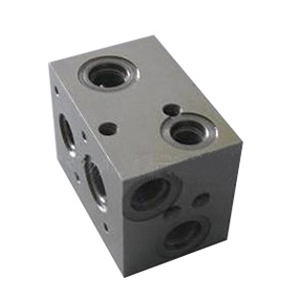
Carbon Steel Component: The Versatile Backbone Of Industrial Manufacturing
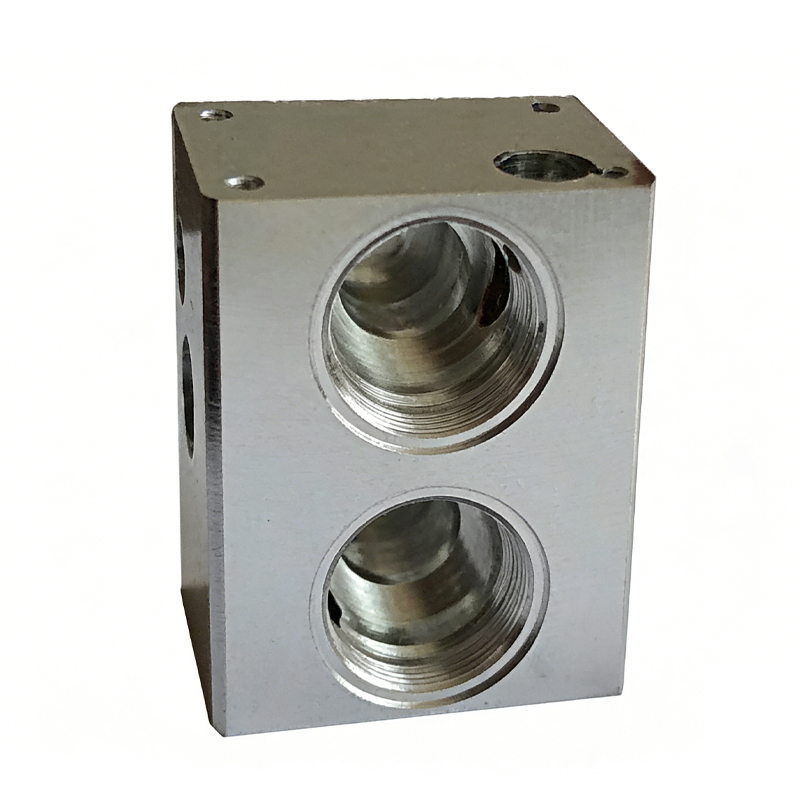
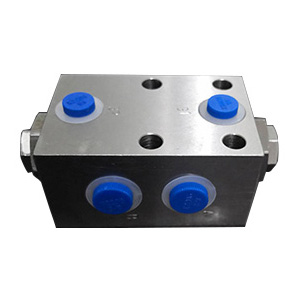
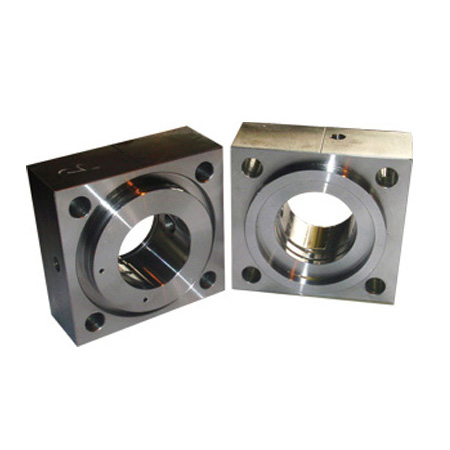
Carbon steel components are fundamental structural and functional parts crafted from carbon steel—a predominantly iron-based alloy with carbon content ranging from 0.05% to 2.11%. Valued for its cost-effectiveness, high strength, and excellent machinability, carbon steel is the go-to material for countless industrial applications, making its components indispensable across construction, automotive, machinery, and energy sectors.
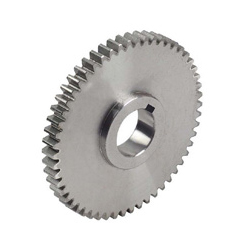
Classified by carbon content, carbon steel components fall into three core categories, each tailored to distinct operational demands. Low-carbon steel components (≤0.25% carbon) exhibit superior ductility and weldability, ideal for producing bolts, nuts, sheet metal parts, and structural frames that require formability over high hardness. Medium-carbon steel components (0.25%–0.60% carbon) strike a balance between strength and toughness; after heat treatment (e.g., quenching and tempering), they become suitable for gears, shafts, and connecting rods in automotive and heavy machinery. High-carbon steel components (>0.60% carbon) boast exceptional hardness and wear resistance, commonly used for cutting tools, springs, and bearings that endure frequent friction and impact.
Beyond carbon content, the performance of carbon steel components can be further enhanced through surface treatments and alloying modifications. Processes like galvanization, painting, or powder coating effectively prevent corrosion, extending the service life of components used in outdoor or humid environments. Adding trace elements such as manganese or silicon can also improve tensile strength and fatigue resistance without drastically increasing production costs.
In terms of manufacturing, carbon steel components support diverse processing techniques, including casting, forging, rolling, and machining. This flexibility allows for the production of parts ranging from small precision fasteners to large-scale pressure vessel shells, meeting both mass production and custom fabrication needs. While carbon steel lacks the corrosion resistance of stainless steel, its low cost and high mechanical performance make it the most widely used metal component material globally.
As industrial technology advances, carbon steel components continue to evolve—high-strength low-alloy (HSLA) carbon steel variants, for example, offer lighter weight and higher durability, catering to the growing demand for energy-efficient and sustainable manufacturing. Whether in skyscraper frameworks or automotive engines, carbon steel components remain the reliable, cost-efficient backbone of modern industry.
◇◇ Related content ◇◇
- Gross Weight Scale Packaging Machine: Principle, Features And Applications
- Bulk Blending Fertilizer Packing Machine | Dynamic Weighing & Dosing System
- Recheck Weigher: Working Principle, Structural Composition And Industrial Application
- Comprehensive Analysis Of Gear Machining Application Scenarios: Why It Is A Core Process In Multiple Industries?
- What Is Milling Machining? A Comprehensive Guide To Principles, Types, Applications, And Selection
- Automatic Palletizer: An Efficiency Upgrade Tool For Modern Production Lines - A Comprehensive Analysis From Functions To Selection
- Comprehensive Analysis Of CNC Machining: From Principles To Applications, Mastering The Core Technology Of Modern Manufacturing
- What Is Grinding? A Detailed Explanation Of Its Principles, Processes, Applications, Advantages, And Disadvantages
- Lathe Machining: An Indispensable Basic Link In Mechanical Processing