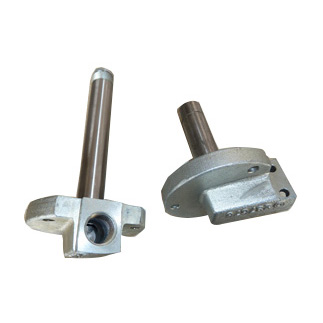
Injection Molding Machine Parts: Core Components & Functions
Injection molding machines are pivotal to plastic manufacturing, with their performance hinging on the synergy of precision-engineered parts. These components work in sequence to melt, inject, shape and cool plastic pellets into a vast array of products, from automotive components to medical devices.
The injection unit serves as the material processing core, featuring a hopper, barrel, screw and nozzle. The hopper feeds raw plastic into the barrel, where heater bands maintain optimal temperatures for melting. The rotating screw homogenizes the molten plastic before pushing it through the nozzle into the mold cavity. This unit’s efficiency directly impacts melt quality and injection accuracy.
The clamping unit ensures mold stability during high-pressure injection. It includes fixed and movable platens, tie bars and a clamping mechanism that generates enough force to keep the mold closed, preventing flash or deformation. Post-cooling, the ejector system—equipped with pins or plates—ejects the finished part, completing the cycle.
Power and control systems are the machine’s "brain and muscle". Hydraulic or servo-electric drives deliver power for injection and clamping motions, with servo systems offering energy savings of up to 40% via on-demand operation. The PLC-based control system, paired with an HMI, monitors and adjusts key parameters like temperature, pressure and cycle time, ensuring consistent production.
The cooling system is critical for reducing cycle time and ensuring product dimensional stability. It uses water pipes and chillers to regulate mold temperature, preventing warping and enhancing part quality. Auxiliary systems, such as lubrication and safety sensors, further boost operational reliability and operator protection.
Material selection for these parts is tailored to function: mold components use high-strength H13 steel or lightweight aluminum; screws and barrels adopt wear-resistant alloys to withstand high temperatures and friction.
Innovations like energy-recovery systems and high-precision position sensors continue to optimize component performance, making injection molding machines more efficient, durable and adaptable to evolving industry demands.
◇◇ Related content ◇◇
- Gross Weight Scale Packaging Machine: Principle, Features And Applications
- Bulk Blending Fertilizer Packing Machine | Dynamic Weighing & Dosing System
- Recheck Weigher: Working Principle, Structural Composition And Industrial Application
- Comprehensive Analysis Of Gear Machining Application Scenarios: Why It Is A Core Process In Multiple Industries?
- What Is Milling Machining? A Comprehensive Guide To Principles, Types, Applications, And Selection
- Automatic Palletizer: An Efficiency Upgrade Tool For Modern Production Lines - A Comprehensive Analysis From Functions To Selection
- Comprehensive Analysis Of CNC Machining: From Principles To Applications, Mastering The Core Technology Of Modern Manufacturing
- What Is Grinding? A Detailed Explanation Of Its Principles, Processes, Applications, Advantages, And Disadvantages
- Lathe Machining: An Indispensable Basic Link In Mechanical Processing