CNC Turning: The Core Of Precision Rotational Machining
CNC turning is a vital subtractive manufacturing process designed for crafting cylindrical and rotational components with exceptional accuracy. Powered by Computer Numerical Control (CNC) technology, it automates tool movements and workpiece rotation, replacing manual operation that relies heavily on operator skill. This innovation has become a cornerstone in modern manufacturing, underpinning industries where consistency, precision and efficiency are critical. It specializes in producing symmetric parts, distinguishing itself from other machining methods through its unique operational principle and targeted performance.
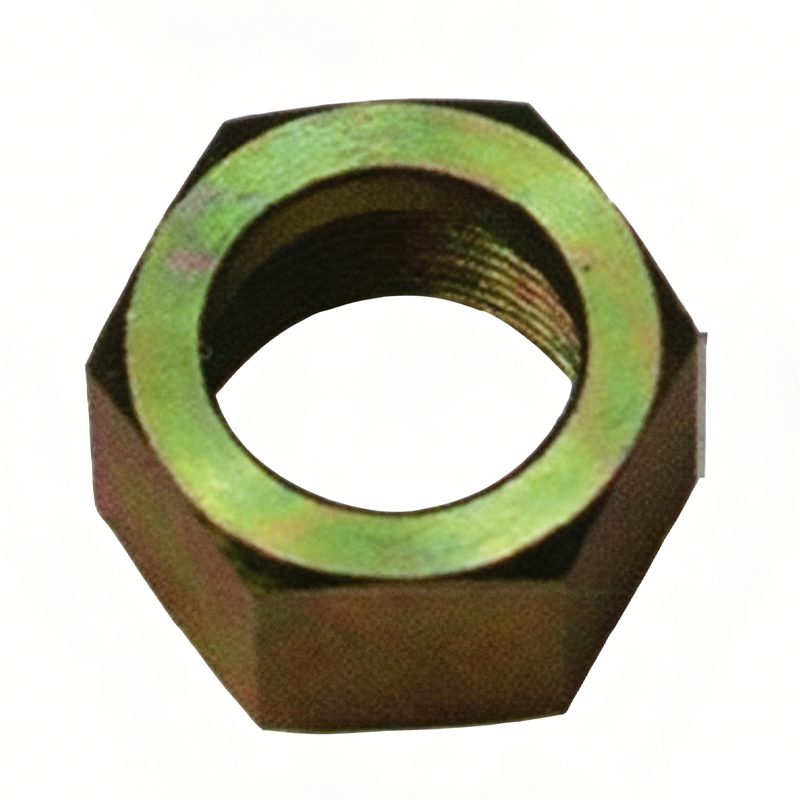
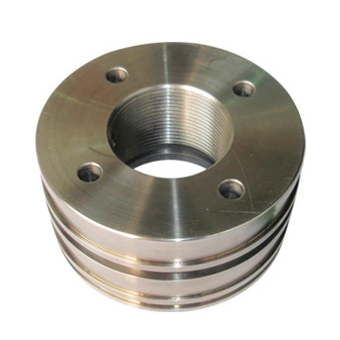
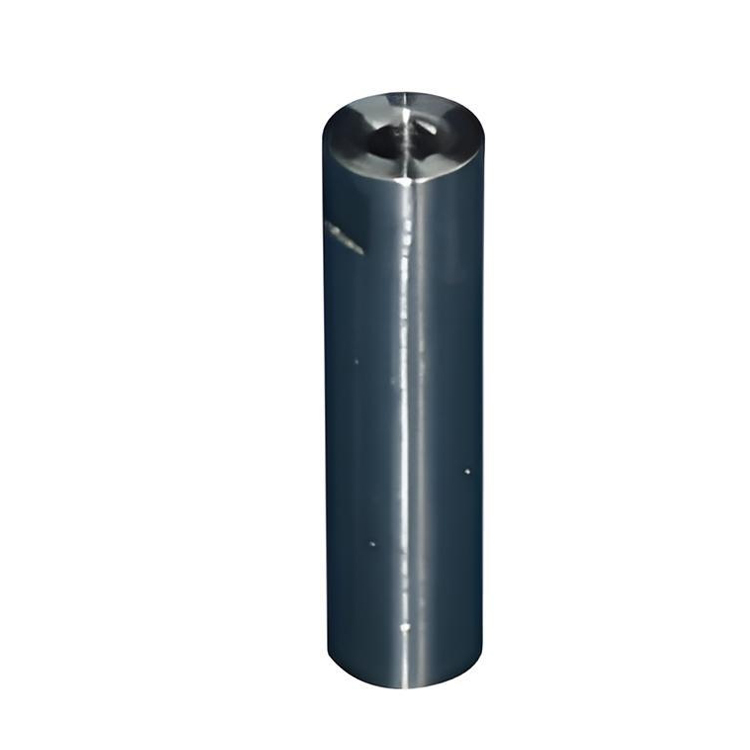
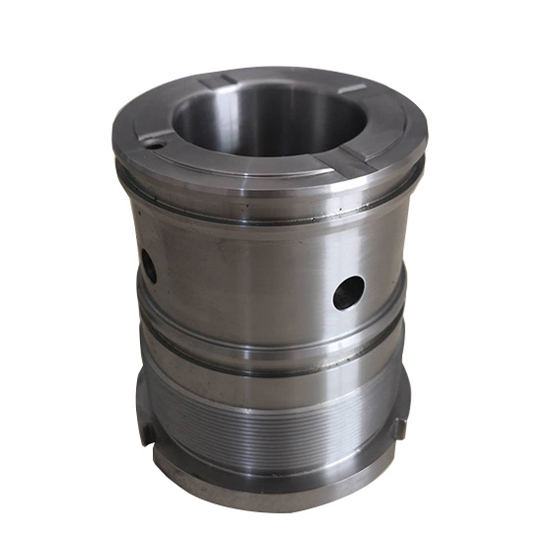
The fundamental difference between CNC turning and other processes like CNC milling lies in motion mechanics. In CNC turning, the workpiece is clamped to a rotating spindle, while a stationary cutting tool moves along predefined paths to remove excess material. This setup is inherently efficient for rotational parts—such as shafts, bolts, bushings, cylindrical housings and threaded components—that would be time-consuming to produce via alternative methods. Most standard CNC lathes operate on X and Z axes, enabling the creation of basic contours, tapers and threads, while advanced models add extra axes to handle complex geometries with seamless precision.
Precision, efficiency and versatility are the standout advantages of CNC turning. It achieves tolerances as tight as ±0.001 mm, ensuring each part strictly adheres to digital designs—a necessity for aerospace, medical and automotive industries, where minor deviations can cause critical failures. Once programmed, CNC lathes run continuously, including unattended overnight operations, minimizing downtime and boosting production volumes. Additionally, it accommodates a wide range of materials, from common metals (steel, aluminum, brass) to plastics and exotic alloys like titanium, adapting to diverse application needs.
The CNC turning process follows a streamlined workflow. It starts with CAD (Computer-Aided Design) software, where engineers draft 2D or 3D models of the target component. The CAD file is then converted to CAM (Computer-Aided Manufacturing) software, which generates G-code—the numerical language that directs the machine’s movements. After clamping the workpiece to the spindle, the machine executes the program: the spindle rotates at a precise speed, and the cutting tool moves along X and Z axes to shape the part. Modern lathes integrate real-time sensors to monitor operations, correcting deviations instantly and ensuring uniform quality across batches.
In the age of smart manufacturing, CNC turning retains its irreplaceable status by adapting to evolving industry demands. It supports rapid design modifications through program adjustments, eliminating costly tooling changes and shortening lead times—ideal for both small-batch prototypes and mass production. Integrating IoT connectivity and AI-driven predictive maintenance, it enables smarter, more sustainable operations, reducing material waste and energy consumption. Advanced upgrades like 5-axis turning centers and automated loading systems further expand its capabilities, handling increasingly complex components.
From life-saving medical devices and high-performance automotive engines to precision aerospace parts, CNC turning underpins innovations across critical sectors. It bridges digital design and tangible products, balancing speed, accuracy and cost-effectiveness. As manufacturing technology advances, CNC turning continues to evolve, solidifying its position as a core process that drives progress in industries relying on precision rotational components.
◇◇ Related content ◇◇
- Gross Weight Scale Packaging Machine: Principle, Features And Applications
- Bulk Blending Fertilizer Packing Machine | Dynamic Weighing & Dosing System
- Recheck Weigher: Working Principle, Structural Composition And Industrial Application
- Comprehensive Analysis Of Gear Machining Application Scenarios: Why It Is A Core Process In Multiple Industries?
- What Is Milling Machining? A Comprehensive Guide To Principles, Types, Applications, And Selection
- Automatic Palletizer: An Efficiency Upgrade Tool For Modern Production Lines - A Comprehensive Analysis From Functions To Selection
- Comprehensive Analysis Of CNC Machining: From Principles To Applications, Mastering The Core Technology Of Modern Manufacturing
- What Is Grinding? A Detailed Explanation Of Its Principles, Processes, Applications, Advantages, And Disadvantages
- Lathe Machining: An Indispensable Basic Link In Mechanical Processing