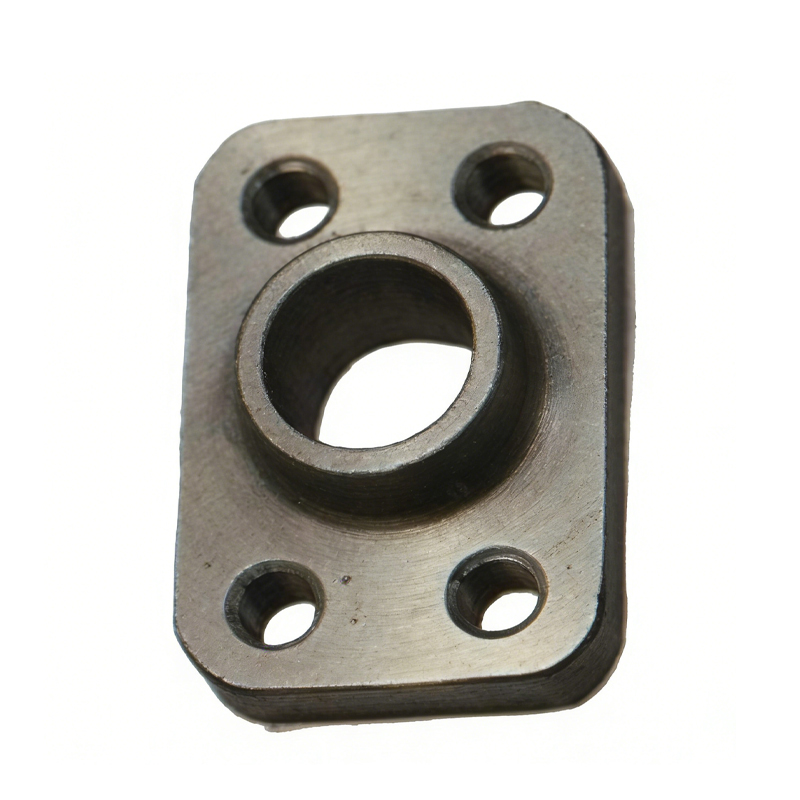
What Makes CNC Milling Indispensable In Modern Manufacturing?
CNC milling stands as a cornerstone of precision machining, reshaping how industries craft complex components with unmatched accuracy and efficiency. Unlike manual milling, which relies on human control of cutting tools, CNC (Computer Numerical Control) milling uses pre-programmed computer software to dictate the movement of multi-axis cutting machines. This automation eliminates human error and enables consistent production of parts that meet tight tolerances, often down to a fraction of a millimeter.
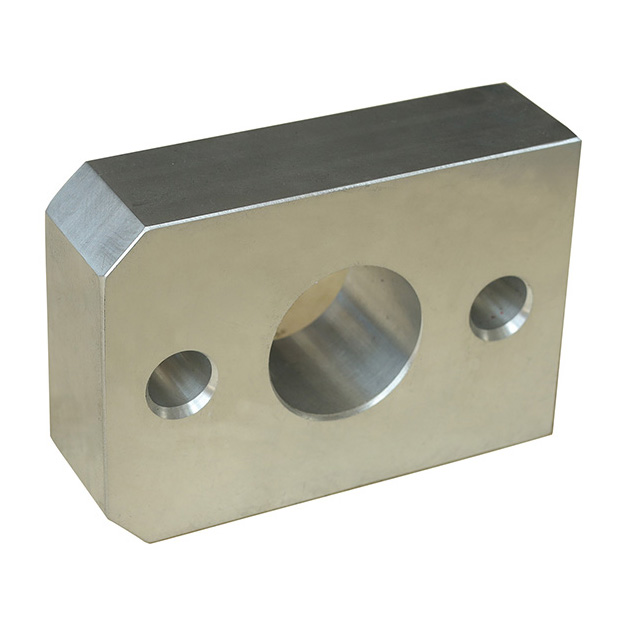
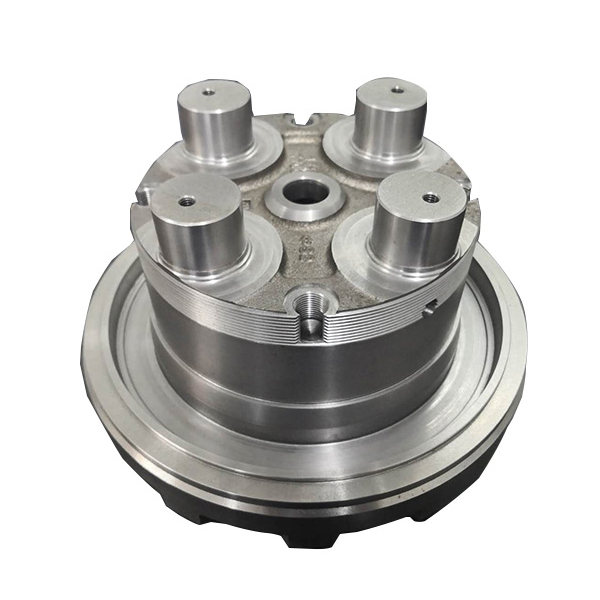
So, what are the core advantages that make CNC milling a go-to process? First, its versatility: it can work with a vast range of materials, from metals like aluminum, steel and titanium to plastics, wood and composites. Whether for aerospace engine parts, automotive components, medical devices or intricate mold inserts, CNC milling adapts to diverse manufacturing needs. Second, its repeatability: once a program is set, the machine can reproduce identical parts hundreds or thousands of times, a critical feature for mass production. Third, its ability to handle complex geometries—curves, pockets, 3D contours—that would be nearly impossible to achieve manually or with conventional tools.
How does the CNC milling process actually work? It starts with CAD (Computer-Aided Design) software, where engineers create a digital model of the desired part. This model is then converted into a CAM (Computer-Aided Manufacturing) program, which translates the design into a set of numerical commands (G-code) that the milling machine can interpret. The machine’s cutting tool then moves along X, Y, Z axes (and sometimes additional rotational axes) to remove material from a workpiece, gradually shaping it into the final product. Sensors and feedback systems within the machine constantly monitor the process, ensuring that every cut aligns with the programmed specifications.
In today’s fast-paced manufacturing landscape, why is CNC milling more relevant than ever? As industries demand shorter lead times, higher quality standards and customization options, CNC milling delivers on all fronts. It reduces setup times compared to traditional methods, allows for quick adjustments to designs by modifying the digital program, and minimizes material waste by optimizing cutting paths. Moreover, with the integration of advanced technologies like 5-axis milling, AI-driven quality control and IoT connectivity, CNC milling continues to evolve, enabling smarter, more sustainable production.
From small-scale workshops to large industrial factories, CNC milling plays a pivotal role in bridging design concepts and tangible products. Its blend of precision, flexibility and efficiency not only drives productivity but also paves the way for innovation in sectors where component performance is non-negotiable. In the end, CNC milling is more than just a machining process—it is a fundamental pillar that supports the modern manufacturing ecosystem.
◇◇ Related content ◇◇
- Gross Weight Scale Packaging Machine: Principle, Features And Applications
- Bulk Blending Fertilizer Packing Machine | Dynamic Weighing & Dosing System
- Recheck Weigher: Working Principle, Structural Composition And Industrial Application
- Comprehensive Analysis Of Gear Machining Application Scenarios: Why It Is A Core Process In Multiple Industries?
- What Is Milling Machining? A Comprehensive Guide To Principles, Types, Applications, And Selection
- Automatic Palletizer: An Efficiency Upgrade Tool For Modern Production Lines - A Comprehensive Analysis From Functions To Selection
- Comprehensive Analysis Of CNC Machining: From Principles To Applications, Mastering The Core Technology Of Modern Manufacturing
- What Is Grinding? A Detailed Explanation Of Its Principles, Processes, Applications, Advantages, And Disadvantages
- Lathe Machining: An Indispensable Basic Link In Mechanical Processing