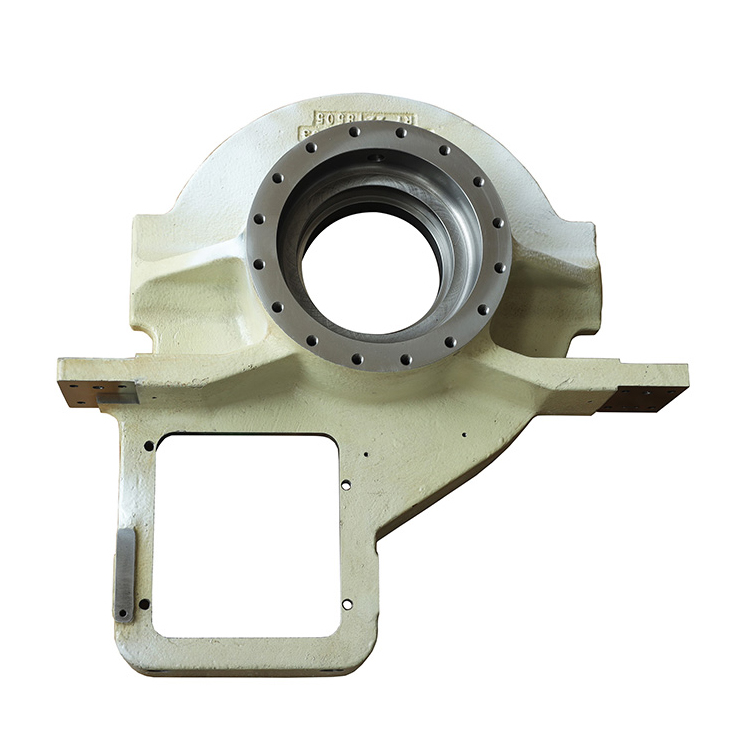
Why Is Casting A Versatile Solution For Complex Component Fabrication?
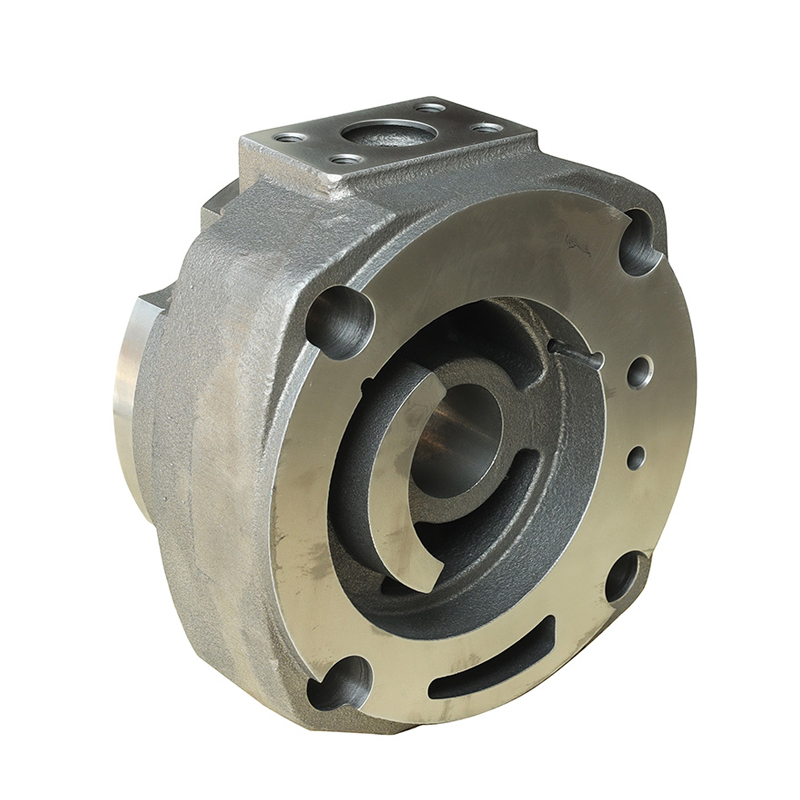
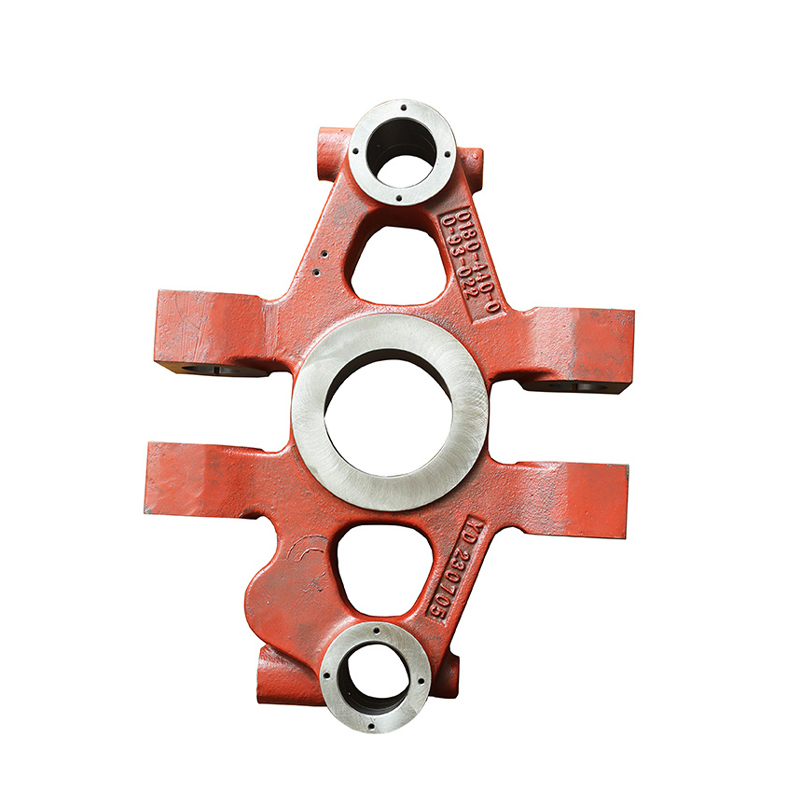
Casting is a foundational manufacturing process where molten metal, alloy, or even non-metal materials are poured into a pre-shaped mold, then cooled and solidified to form a desired part. Unlike forging that relies on compressive force, casting excels at creating intricate, complex geometries in one step—making it a go-to choice for industries from automotive to aerospace. But what makes this age-old technique still irreplaceable in modern production?
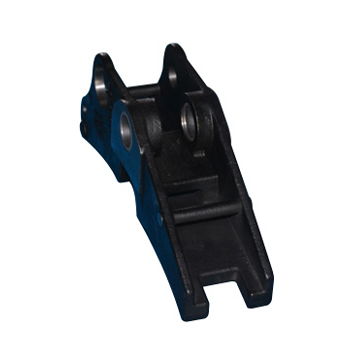
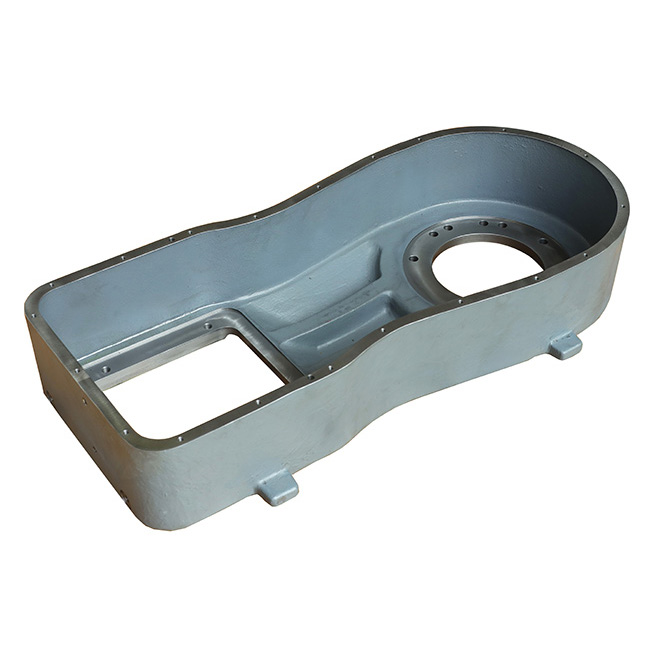
The core strength of casting lies in its unmatched flexibility. It can produce tiny precision components like engine valves and large heavy-duty parts such as machine tool beds, all with minimal post-processing. Common casting methods include sand casting (cost-effective for small batches), die casting (high-speed for mass-produced metal parts), and investment casting (for ultra-precise aerospace components). Each method caters to different material needs, from iron and aluminum alloys to copper and even refractory materials.
Casting also stands out for cost efficiency, especially when crafting complex shapes that would be expensive or impossible to machine from solid blocks. It minimizes material waste, as excess material can often be recycled back into the production process. While cast parts may have slightly lower strength than forged ones, advancements like heat treatment and alloy optimization have narrowed this gap, making cast components suitable for high-stress applications.
From ancient bronze artifacts to cutting-edge turbine blades, casting has evolved with technology to meet evolving industrial demands. Its ability to balance complexity, cost, and scalability ensures it remains a staple in modern manufacturing.
◇◇ Related content ◇◇
- Gross Weight Scale Packaging Machine: Principle, Features And Applications
- Bulk Blending Fertilizer Packing Machine | Dynamic Weighing & Dosing System
- Recheck Weigher: Working Principle, Structural Composition And Industrial Application
- Comprehensive Analysis Of Gear Machining Application Scenarios: Why It Is A Core Process In Multiple Industries?
- What Is Milling Machining? A Comprehensive Guide To Principles, Types, Applications, And Selection
- Automatic Palletizer: An Efficiency Upgrade Tool For Modern Production Lines - A Comprehensive Analysis From Functions To Selection
- Comprehensive Analysis Of CNC Machining: From Principles To Applications, Mastering The Core Technology Of Modern Manufacturing
- What Is Grinding? A Detailed Explanation Of Its Principles, Processes, Applications, Advantages, And Disadvantages
- Lathe Machining: An Indispensable Basic Link In Mechanical Processing