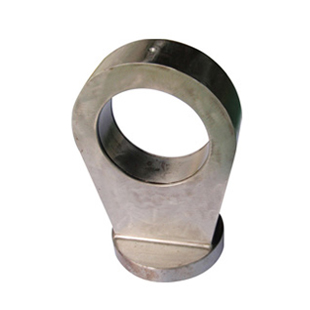
Why Is Forging A Cornerstone Of High-Strength Component Manufacturing?
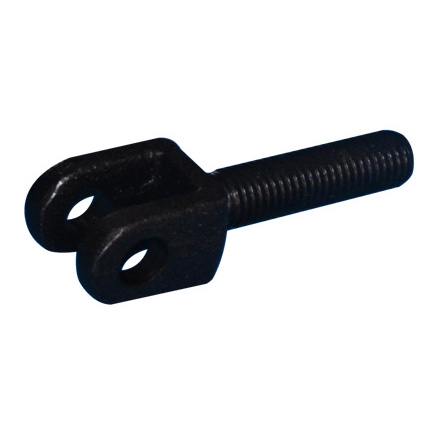
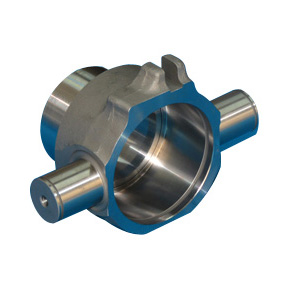
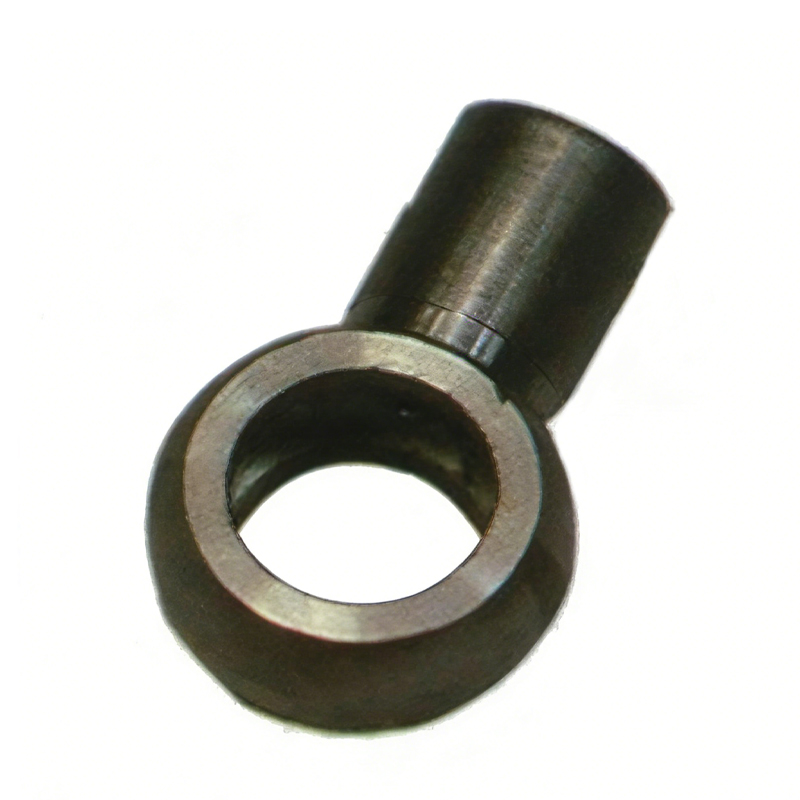
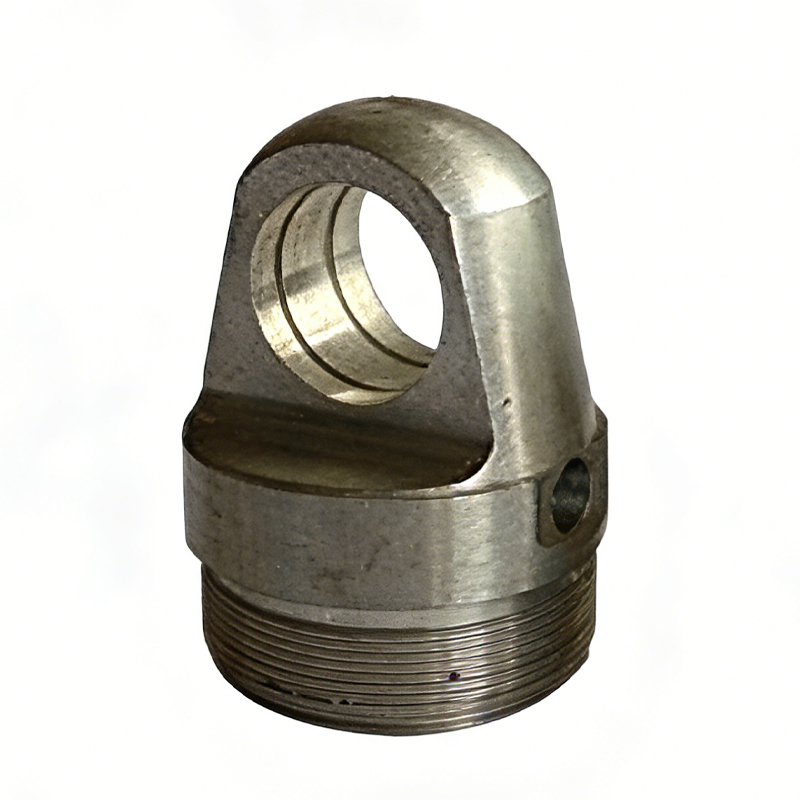
Forging is a metalworking process that shapes metal using compressive forces from hammers, presses, or dies. Unlike casting, it refines the metal’s grain structure, eliminating pores and defects to create parts with superior strength, toughness, and fatigue resistance. But why do industries ranging from aerospace to automotive rely so heavily on this age-old technique?
The process works by heating metal to a malleable state, then applying pressure to deform it into the desired shape. Cold forging, done at room temperature, produces precise, smooth-surfaced parts like bolts and gears. Hot forging, performed at high temperatures, handles larger workpieces and complex shapes, ideal for crankshafts and turbine blades. Each method enhances mechanical properties, making forged components far more durable than machined or cast alternatives.
Key advantages include unmatched structural integrity and reliability. Forged parts can withstand extreme loads and harsh environments, critical for aircraft landing gear, military equipment, and heavy machinery. They also offer cost-efficiency in high-volume production, as minimal material waste reduces overall costs. Common materials used in forging include steel, aluminum, titanium, and copper alloys, each tailored to specific application needs.
From ancient blacksmithing to modern automated forging lines, this process has evolved to meet industrial demands, proving its enduring value in creating components that safety and performance depend on.
◇◇ Related content ◇◇
- Gross Weight Scale Packaging Machine: Principle, Features And Applications
- Bulk Blending Fertilizer Packing Machine | Dynamic Weighing & Dosing System
- Recheck Weigher: Working Principle, Structural Composition And Industrial Application
- Comprehensive Analysis Of Gear Machining Application Scenarios: Why It Is A Core Process In Multiple Industries?
- What Is Milling Machining? A Comprehensive Guide To Principles, Types, Applications, And Selection
- Automatic Palletizer: An Efficiency Upgrade Tool For Modern Production Lines - A Comprehensive Analysis From Functions To Selection
- Comprehensive Analysis Of CNC Machining: From Principles To Applications, Mastering The Core Technology Of Modern Manufacturing
- What Is Grinding? A Detailed Explanation Of Its Principles, Processes, Applications, Advantages, And Disadvantages
- Lathe Machining: An Indispensable Basic Link In Mechanical Processing