Gross Weight Packaging Scale: Comprehensive Analysis Of Features, Application Scenarios, Advantages And Disadvantages
In industries such as petrochemicals, chemicals, grain, feed, and ports, automatic quantitative packaging of bulk materials is one of the core needs in production and logistics. As a targeted weighing device, the gross weight packaging scale, with its unique design and functions, has become a common solution to the problem of efficient and stable packaging in these scenarios. This article will comprehensively analyze the value of gross weight packaging scales from core features, typical applications to advantages and disadvantages, helping you quickly determine whether it matches your own needs.
I. Core Features of Gross Weight Packaging Scale: Which User Pain Points Does It Solve?
The design of the gross weight packaging scale focuses on practicality, easy maintenance, and adaptability to multiple scenarios, and its core features can be summarized into four points:
1. Simple Structure and Low Operation and Maintenance Costs
The
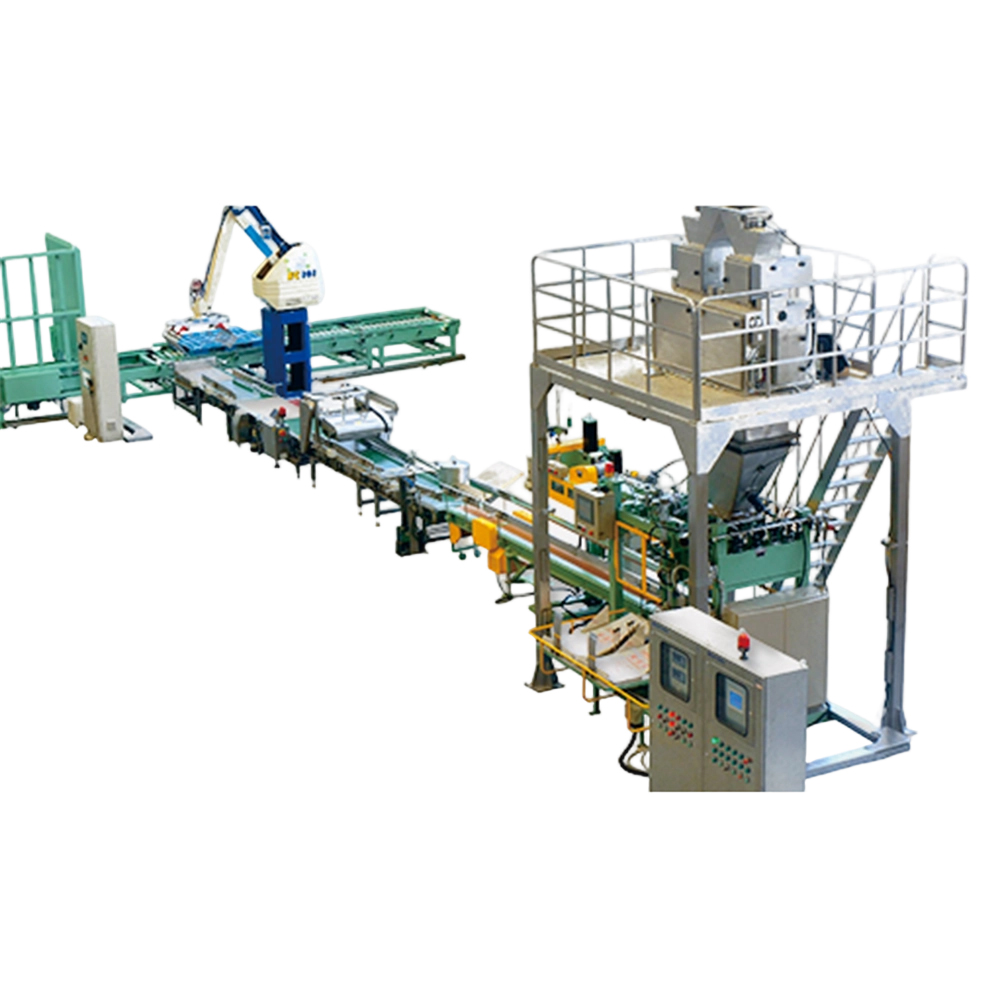
gross weight packaging scale has a simple composition, mainly including silos, feeding devices, bag clamping devices, steel structure supports, display control units, and pneumatic systems. The absence of complex precision components means easier daily maintenance - only regular inspection of key components (such as feeding devices and sensors) is required to maintain stable operation, significantly reducing the enterprise's equipment maintenance costs.
2. Wide Applicability, Covering Multiple Types of Materials
The gross weight packaging scale can stably handle bulk materials whether they are granular (grain, granular fertilizer), powdery (plastic particles, salt) or flaky. This universal feature makes it a versatile tool for multi-category production enterprises - there is no need to replace equipment for different materials, reducing the enterprise's equipment investment.
3. High Degree of Automation, Improving Packaging Efficiency
From material conveying → weighing → bag clamping and packaging, the gross weight packaging scale can realize full-process automation without manual intervention. For enterprises with large-scale production, this means:
- Avoiding errors in manual weighing (such as over-filling/under-filling);
- Significantly improving packaging speed (3-5 times more efficient than manual labor).
4. Diverse Functions, Supporting Digital Management
Some gross weight packaging scales have data statistics functions: real-time display of the gross/net weight of each package, automatic accumulation of total weight and number of packages. These data do not need manual recording and are directly connected to the enterprise production system, helping enterprises realize digitalization of production processes and simplify management links.
II. Typical Application Scenarios of Gross Weight Packaging Scale: Which Industries Can Use It?
The value of the gross weight packaging scale lies in matching scenarios with large-scale, bulk materials, and automation needs. The following are application cases in four typical industries:
1. Grain Industry: Precision Assistant for Large-Scale Production
Grain production is often on a 10,000-ton scale. The gross weight packaging scale can quickly complete the quantitative packaging of grain, wheat and other grains (such as 25kg/bag, 50kg/bag), ensuring that the weight error of each bag is controlled within a reasonable range, avoiding the uneven manual weighing, and supporting the large-scale shipment of grain enterprises.
2. Chemical Industry: Balance Between Safety and Precision
The packaging of chemical products (such as granular fertilizers, chemical raw materials) requires precision + safety: precision is to meet product standards, and safety is to avoid manual contact with harmful materials. The automated operation of the gross weight packaging scale just solves these two pain points - ensuring the accurate weight of each package and reducing the risk of manual contact.
3. Feed Industry: Matching High-Yield Demand
The characteristic of feed production is high throughput. A production line may need to package thousands of bags of feed per hour. The fast automatic packaging capability of the gross weight packaging scale can perfectly match this demand, ensuring that the feed production line does not stop and does not jam, supporting the enterprise's large-scale production.
4. Port Industry: Improving Cargo Flow Efficiency
Ports need to handle a large amount of import and export goods (such as plastic particles, salt). The automatic weighing + packaging function of the gross weight packaging scale can speed up the flow of goods from loading and unloading → packaging → transportation, reduce the waiting time at the port, and improve the overall operation efficiency.
III. Advantages and Disadvantages of Gross Weight Packaging Scale: Objectively Judge Whether It Is Suitable for You
Any equipment has its applicable boundaries, and the gross weight packaging scale is no exception. The following is an objective analysis of its advantages and disadvantages:
Advantages: Hitting Users' Core Needs
- Suitable for Adhesive Materials: For powdery or wet materials that are easy to adhere (such as some chemical raw materials, wet grains), the design of the gross weight packaging scale reduces the contact area between materials and the container wall, reducing weighing errors and material waste caused by adhesion.
- Convenient Installation: The simple structure means the installation process is fast (usually completed in 1-2 days), no professional team is needed, reducing the enterprise's installation cost.
Disadvantages: Need to Pay Attention to Scene Matching
- Slow Weighing Speed: Compared with net weight packaging scales, the weighing speed of gross weight packaging scales is slightly slower (about 10-15 bags per minute), which is more suitable for scenarios with low speed requirements but stable performance (such as small-batch and multi-category production).
- Limited Precision: If your enterprise needs extremely high precision packaging (such as error less than 0.1%) (such as pharmaceutical raw materials, high-end chemicals), the gross weight packaging scale may not meet the requirements - in this case, it is recommended to choose a net weight type or more precise weighing equipment.
IV. Summary: Who Is the Gross Weight Packaging Scale Suitable for?
The core value of the gross weight packaging scale lies in solving the most basic automatic packaging needs with the lowest cost. If your enterprise meets the following conditions, it will be a cost-effective choice:
- Handling granular, powdery, flaky bulk materials;
- Needing automatic packaging to reduce manual input;
- Pursuing easy maintenance and low operation and maintenance costs;
- Having low speed requirements but needing stable performance.
Of course, before choosing, it is recommended to clarify your own needs: such as whether the material is easy to adhere? What is the production scale? How high is the precision requirement? Combining these factors, you can judge whether the gross weight packaging scale is your optimal solution.
The gross weight packaging scale is not an all-round equipment, but it is an multi-industry universal, cost-effective automatic weighing solution. For enterprises that need to solve the problem of automatic packaging of bulk materials, it is still a priority choice.